 Save to Pinterest
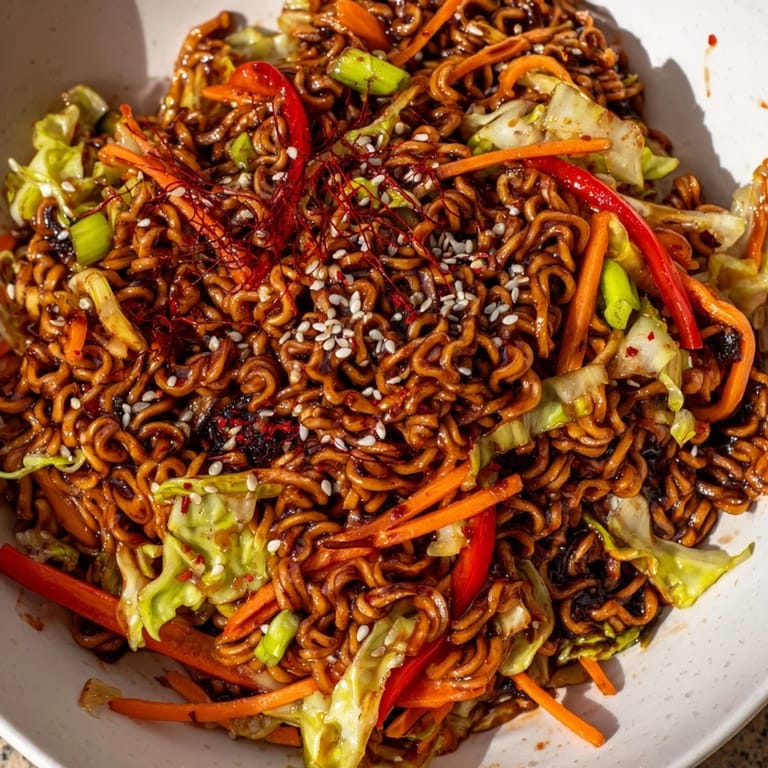
 My roommate came home one evening raving about this TikTok ramen trend, and honestly, I was skeptical—until she made it in our tiny kitchen and the smell hit me. The sauce bubbling around the noodles, the way the vegetables stayed crisp while everything else turned silky, it felt less like following a recipe and more like discovering something I didn't know I needed. Ten minutes from cold pan to dinner plate, and suddenly we were both fighting over the last bites. This is the kind of dish that makes you feel like you're cheating the system, getting something restaurant-worthy without breaking a sweat.
I made this for my parents one random Tuesday when they were visiting, mostly to prove that instant ramen wasn't just college food. My mom, who never admits anything tastes good, asked for seconds and wanted the recipe written down. That's when I realized this wasn't just a quick dinner trick—it was something that genuinely impressed people, the kind of thing you keep coming back to because it never lets you down.
Ingredients
- Instant ramen noodles (2 packs): Throw those flavor packets straight in the trash—you're building something better. The noodles themselves are perfectly springy if you pull them out a minute early.
- Shredded cabbage (1 cup): Buy it pre-shredded if you're tired, or slice it yourself if you want to feel like you're actually cooking. Either way, it adds a sweet crunch that balances the heat.
- Carrot, julienned (1 medium): Cut them thin so they soften just slightly in the pan without turning to mush—you want that tiny bit of resistance when you bite.
- Green onions (2), sliced: These go in at the last second, so they stay bright and sharp instead of wilting into nothing.
- Red bell pepper, thinly sliced (1/2): The sweetness here is crucial for cutting through the spice and soy sauce.
- Soy sauce (2 tablespoons): This is the backbone—don't cheap out, but you don't need fancy stuff either.
- Sriracha or chili garlic sauce (1 tablespoon): The heat you're here for, and it adds depth beyond just making your mouth burn.
- Oyster sauce (1 tablespoon): This might seem random, but it's the secret layer that makes people ask what you did differently.
- Brown sugar (1 tablespoon): A pinch of sweetness rounds out all the salty, spicy, savory notes so nothing feels flat.
- Sesame oil (2 teaspoons): The real deal here—cheap sesame oil tastes like burnt rubber, so save yourself the regret.
- Rice vinegar (1 teaspoon): Just enough brightness to keep everything from tasting heavy.
- Black pepper (1/4 teaspoon): A small amount, but it adds a subtle bite that ties the whole sauce together.
- Garlic, minced (2 cloves): Fresh is worth the thirty seconds it takes to mince—jarred just tastes dusty next to this.
- Vegetable oil (1 tablespoon): Use something neutral that won't overpower the other flavors.
- Toasted sesame seeds (1 teaspoon): These are the final flourish that makes it look intentional and taste complete.
- Red pepper flakes (1/2 teaspoon, optional): Only add this if you like your food fighting back.
Tired of Takeout? 🥡
Get 10 meals you can make faster than delivery arrives. Seriously.
One email. No spam. Unsubscribe anytime.
Instructions
- Cook your noodles, but stop them early:
- Boil water and add your ramen, but take them out one minute before the package says. You want them still with a slight firmness—they'll soften more in the pan later, and mushy ramen is nobody's friend.
- Make your sauce while the water boils:
- Whisk together soy sauce, sriracha, oyster sauce, brown sugar, sesame oil, rice vinegar, and black pepper in a bowl. Taste a tiny bit on your finger—it should be salty, spicy, slightly sweet, with a hint of funk from the oyster sauce.
- Get your pan screaming hot:
- Heat vegetable oil in a large skillet or wok over medium-high heat until it shimmers and moves around easily. Drop in your minced garlic and let it toast for about 30 seconds—you want fragrant, not burnt.
- Add the vegetables and keep them moving:
- Throw in your cabbage, carrot, and bell pepper all at once, and don't stop stirring. You're looking for 2-3 minutes where they're softer than raw but still have some bite to them—this is the sweet spot.
- Bring it all together:
- Add the drained noodles and your sauce to the pan and toss everything for about a minute. You'll see the sauce coat the noodles, the heat melting and warming everything through evenly.
- Finish with the bright stuff:
- Add your green onions, sesame seeds, and red pepper flakes if you're using them. One quick toss, and you're done.
- Get it to the plate immediately:
- Serve right away while the vegetables still have some snap and the noodles are hot and coated.
 Save to Pinterest
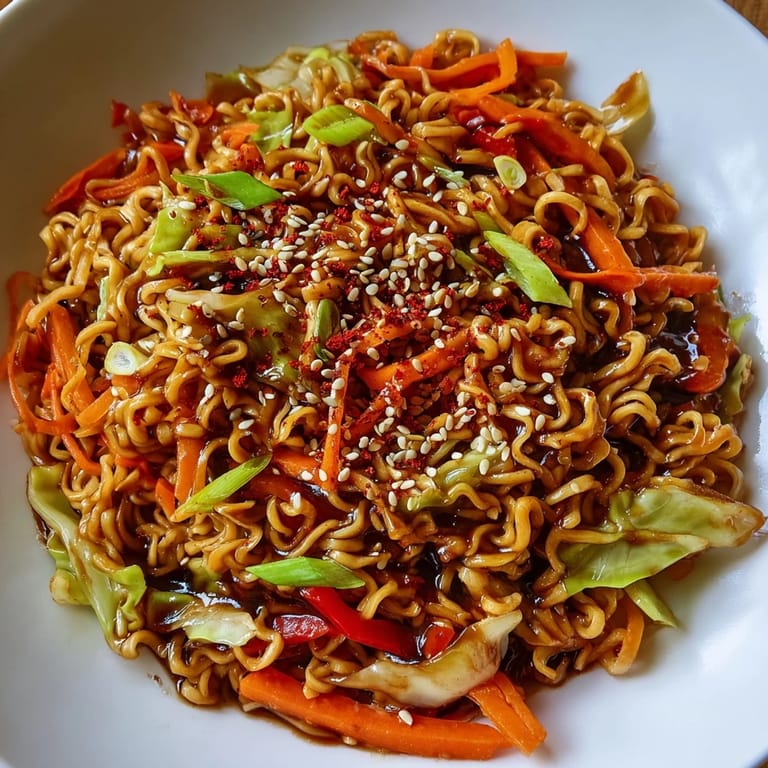
 The first time someone I was trying to impress ate this, they paused mid-bite and said, 'Wait, you made this?' It wasn't fancy, but it was honest and it tasted like I'd actually thought about them. That's when I understood why this became such a thing—it's the kind of food that tastes like you care, even when you made it in under twenty minutes.
Why This Sauce Works So Hard For You
Most stir fry sauces are one-note, just salty or just spicy or just sweet. This one layers those tastes so they build on each other instead of fighting. The soy sauce provides the savory foundation, the sriracha brings the heat that lingers, the oyster sauce adds an umami depth that makes people wonder what they're tasting, and the brown sugar rounds out all the sharp edges. The sesame oil and rice vinegar keep it from feeling heavy or one-dimensional. When you taste it on its own before adding it to the pan, it might seem intense, but once it coats those noodles and vegetables, everything balances perfectly.
The TikTok Effect and Why It Works
This dish blew up on social media because it's dramatically satisfying to watch and genuinely easy to make, which is a rare combination. The speed is real—you're not waiting around for a slow simmer or complex technique. The payoff is immediate. It looks good, it tastes good, and you feel accomplished without needing culinary training. There's something deeply satisfying about shaking a pan and seeing everything come together in real time, and that's what makes this recipe worth keeping in your regular rotation.
Ways to Make It Your Own
The beauty of this recipe is that it's a foundation, not a prison. You can add protein however you want—a fried or soft-boiled egg on top adds richness, sliced chicken makes it heartier, tofu works if that's your preference, and shrimp feels more restaurant-like. You can swap vegetables based on what's in your fridge—snap peas, baby bok choy, broccoli, mushrooms all work beautifully. If you want to go fully vegan, swap the oyster sauce for hoisin or vegan oyster sauce and you've got something just as delicious. The sauce is forgiving enough that slight variations don't break anything, but flexible enough that you can make it feel completely different depending on what you're in the mood for.
- An egg adds protein and richness without changing the cooking time significantly.
- Fresh herbs like cilantro or basil scattered on top right before serving add brightness and make it feel elevated.
- A squeeze of fresh lime juice at the end cuts through the richness and adds a surprising freshness.
 Save to Pinterest
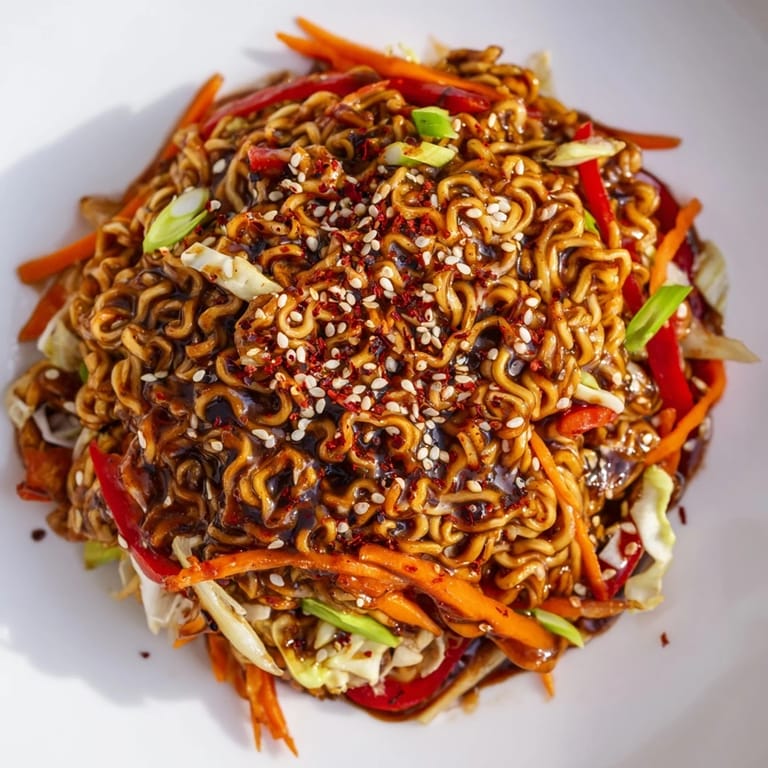
 This is the recipe I reach for when I want to prove that good food doesn't require hours or a degree in cooking. It's proof that understanding a few basic principles—hot pan, balanced sauce, crisp texture—gets you further than fancy ingredients ever will. Make it once, and it becomes your go-to party trick.
Recipe Questions
- → Can I make this dish vegan?
Yes, simply substitute the oyster sauce with a vegan alternative like hoisin sauce or vegan oyster sauce to keep it plant-based.
- → How do I get the noodles to stay springy?
Boil the noodles briefly and reduce the usual cooking time by about a minute. Drain them well to prevent sogginess before stir-frying.
- → What vegetables work best in this stir fry?
Shredded cabbage, julienned carrots, sliced bell peppers, and green onions offer a nice balance of texture and flavor for this dish.
- → Is there a way to adjust the spice level?
Yes, control the heat by adjusting the amount of sriracha and optional red pepper flakes according to your preference.
- → Can I add protein to this dish?
Absolutely! Try adding tofu, cooked chicken, shrimp, or a soft-boiled egg for extra protein and variety.