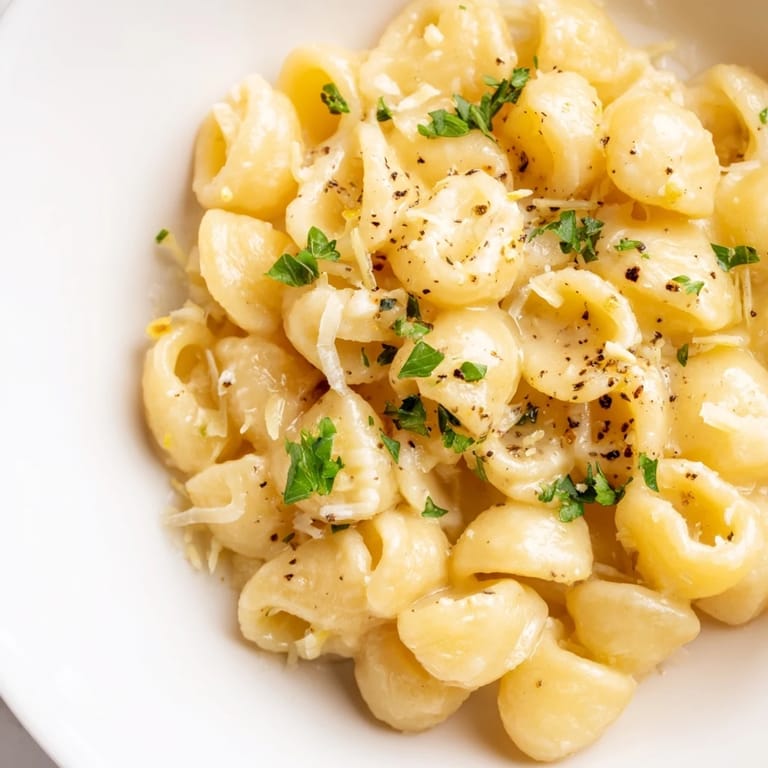
 Save to Pinterest
 There's something about ditalini that caught me off guard the first time I really paid attention to it—those tiny tubes that slip through a wooden spoon like little secrets. I was rushing through a Wednesday night, hungry and tired, when I grabbed a box from the back of the pantry and thought, why not make something silky and warm in fifteen minutes? That was the night I discovered how a handful of garlic, good butter, and the right technique could transform a humble weeknight into something that felt almost indulgent.
I made this for my neighbor last month when she was swamped with work, and I watched her face shift from stressed to calm in three bites. She asked for the recipe immediately, which felt like the highest compliment. Now I keep these ingredients stocked specifically for those moments when someone needs comfort that arrives quickly and tastes like it was made with care.
Ingredients
- Ditalini pasta, 300 g (10.5 oz): These tiny tubes have more surface area than you'd expect, which means more sauce clings to each piece—it's not just semantics, it changes the eating experience.
- Water, 2 liters (8 cups) and salt, 1 tablespoon: This isn't just boiling water; properly salted pasta water is your secret weapon for flavor and the texture of your sauce later.
- Unsalted butter, 4 tablespoons: Use real butter here—it's the foundation of everything else, and margarine simply won't build the same silky base.
- Garlic, 4 cloves, finely minced: Fresh garlic only; the mincing matters because you want it to dissolve into the butter rather than float as chunks.
- Heavy cream, 120 ml (½ cup): This should be cold straight from the fridge when it hits the pan—it creates a more stable emulsion.
- Parmesan cheese, 50 g (½ cup), freshly grated: Pre-grated cheese has anti-caking agents that create a grainy texture; a microplane and a chunk of real Parmigiano-Reggiano change everything.
- Black pepper and salt, ½ teaspoon and ¼ teaspoon: These are starting points, not absolutes—your palate knows what it wants.
- Fresh parsley and lemon zest, both optional: They're optional on paper, but they're the moment your dish stops being comfort food and becomes something you'd order at a restaurant.
Tired of Takeout? 🥡
Get 10 meals you can make faster than delivery arrives. Seriously.
One email. No spam. Unsubscribe anytime.
Instructions
- Start your water and commit to salt:
- Fill your pot and get it roaring—this takes longer than you think. Salt it generously; the water should taste like the sea. Add your ditalini and set a timer because al dente waits for no one.
- Toast your garlic gently:
- While pasta cooks, melt butter low and slow, then add minced garlic. Listen for the sizzle—it should smell incredible within a minute, but pull back immediately before it browns because burnt garlic tastes acrid and bitter.
- Build your sauce with restraint:
- Lower the heat to medium, pour in your cold cream, add that reserved pasta water, and watch it come together. The starch in the pasta water is doing the real work here, helping everything emulsify.
- Bring it all together:
- Drain your pasta, add it to the skillet, and toss until every piece is coated in that silky sauce. This step takes patience—go slow.
- Finish with finesse:
- Shower it with freshly grated Parmesan, crack in black pepper, taste, adjust, and only then add parsley and lemon zest if you're using them. These finish the dish rather than build it.
- Serve immediately:
- Warm bowls, extra cheese on the side, and maybe a grind more pepper. This dish doesn't wait—it's best enjoyed the moment it's plated.
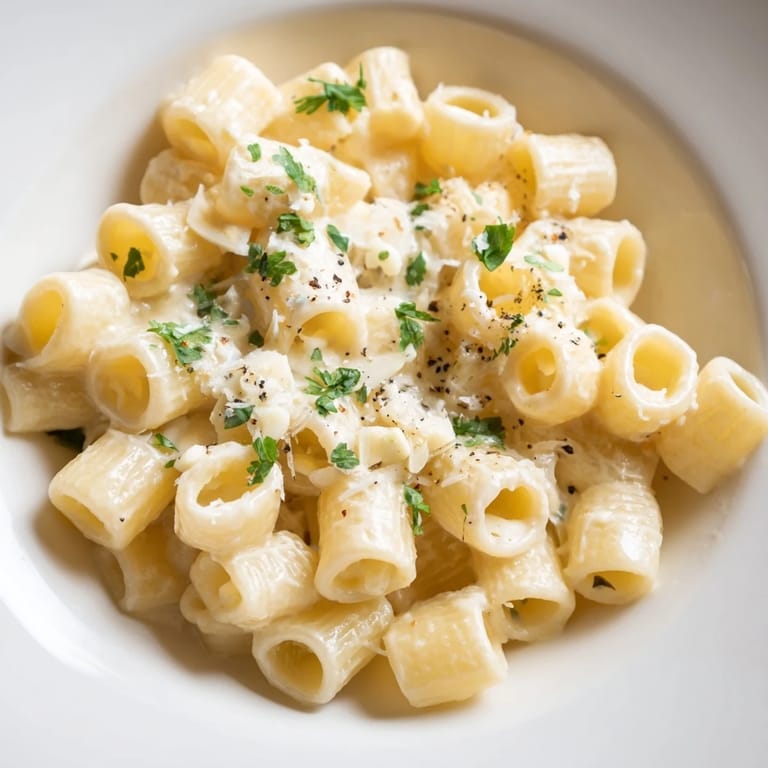 Save to Pinterest
 The first time I realized this dish had become something special was watching my son ask for seconds without being prompted, which never happens. He said it tasted like restaurant food, and I didn't correct him because honestly, it does—but it's better because it's made in your own kitchen in the time it takes to pour a drink.
Why Timing Really Matters Here
Fifteen minutes sounds tight, but it's only tight if you're not organized. Read through every step before you start—it's not glamorous, but it means you're not hunting for your microplane while cream simmers. The ditalini and sauce finish at almost exactly the same moment, which is either luck or Italian cooking being forgiving. Keep your ingredients prepped and visible; this is when a cluttered counter becomes actual stress.
Flavor Variations Worth Trying
Once you've made this straight, you'll start seeing possibilities everywhere. A pinch of nutmeg adds warmth without announcing itself. Red pepper flakes create heat that lingers pleasantly. Fresh thyme or sage can replace parsley if that's what you have. I've added crispy pancetta bits for richness, tossed in spinach at the last second for color, even stirred in a spoon of Dijon mustard for unexpected depth. The sauce is flexible because it's built on technique, not restriction.
Pairing and Serving Suggestions
Serve this with something that cuts through the richness—a crisp white wine like Pinot Grigio or a bright green salad with lemon vinaigrette. A slice of crusty bread for sauce-soaking is non-negotiable. The pasta is rich enough to be the main event, but it asks for something fresh alongside it. Leftovers reheat gently in a warm skillet with a splash of cream or milk, though honestly, it's rarely made twice—people ask for the recipe instead of the leftovers.
- Chill any leftovers in an airtight container and reheat gently within two days; cold pasta salad made from this is surprisingly good too.
- If you're cooking for one, the recipe halves perfectly, or freeze portions for a future rushed evening.
- Taste as you go and trust your instincts about salt and pepper—it's your table.
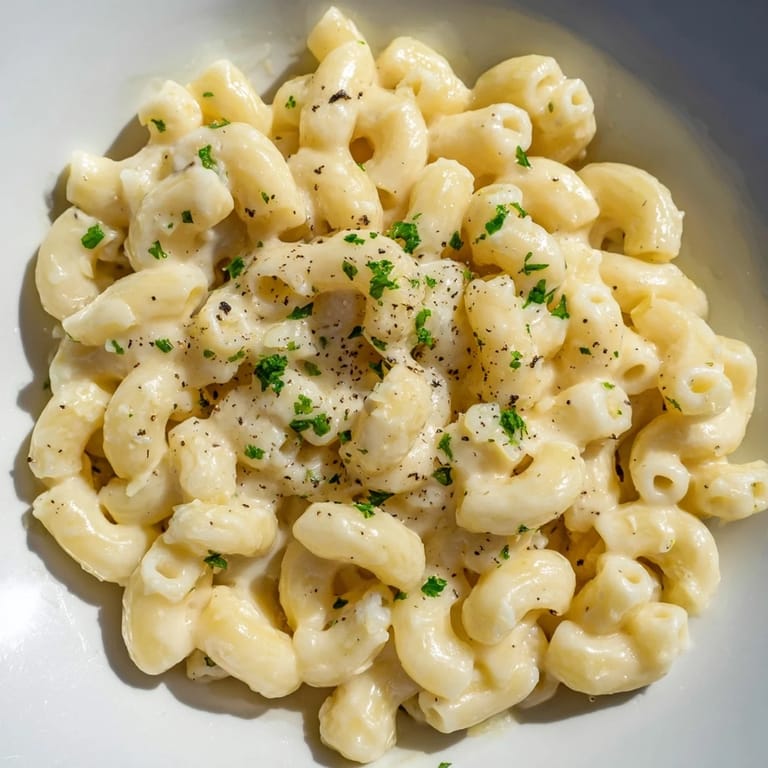 Save to Pinterest
 This recipe proved to me that weeknight cooking doesn't have to be a compromise—it can be the best part of a rushed day. Keep these ingredients on hand and you'll find yourself making this whenever you need something warm, quick, and genuinely delicious.
Recipe Questions
- → How do I cook ditalini pasta perfectly?
Boil ditalini in generously salted water until al dente, about 8 minutes, then drain reserving some cooking water.
- → What is the best way to develop flavor in the butter sauce?
Sauté finely minced garlic gently in melted butter until fragrant without browning to create a flavorful base.
- → How can I adjust the sauce consistency?
Add reserved pasta water gradually if the sauce becomes too thick to achieve a smooth, silky texture.
- → Can I add fresh herbs for extra flavor?
Yes, stirring in chopped parsley at the end adds freshness and complements the creamy garlic sauce nicely.
- → What cheese is ideal for finishing the dish?
Freshly grated Parmesan melts smoothly into the sauce, enhancing richness and adding savory depth.