 Save to Pinterest
 The first time I really understood Sichuan food was in my friend's cramped kitchen, watching her mother move through mapo tofu like it was second nature—her wrist flicking the spatula, the smell of fermented bean paste hitting me like a wave. I was skeptical of the numbing peppercorns at first, but one spoonful of that silky tofu in the chili sauce changed everything. Now it's the dish I make when I want to remind myself that bold flavors and delicate textures can exist in the same bowl.
I made this for my roommate on a cold Tuesday night when she was stressed about work, and watching her face light up when that tingly sensation hit her tongue made me realize food can be exactly what someone needs. She asked for the recipe before she'd even finished the rice.
Ingredients
- Silken or soft tofu (400 g): This is the heart of the dish—it needs to be delicate and absorbent, so don't skip the draining step or it'll waterlog your sauce.
- Ground pork or beef (150 g, optional): Adds richness and breaks up the texture, but the dish is equally stunning vegetarian if you skip it entirely.
- Sichuan doubanjiang (2 tbsp): This fermented chili bean paste is non-negotiable—it's where all the umami and heat come from, so grab the real thing from an Asian market.
- Soy sauce (1 tbsp): Use low-sodium if you can; it lets the other flavors shine without making everything salty.
- Shaoxing wine (1 tbsp): It adds a subtle sweetness and depth that really matters, but dry sherry works in a pinch.
- Sugar (1 tsp): A tiny touch balances the spice and fermented bite of the bean paste.
- Chicken or vegetable broth (1/2 cup): This becomes your sauce, so use something you'd actually drink.
- Cornstarch slurry (1 tbsp cornstarch + 2 tbsp water): This thickens the sauce just enough to cling to the tofu without becoming gloopy.
- Sichuan peppercorns (1 tbsp, toasted and ground): Toast them yourself—you'll smell the floral, citrusy thing that makes them magic, and pre-ground loses that quick.
- Vegetable oil (3 tbsp): Neutral oil that won't compete with the sauce.
- Garlic (3 cloves, minced): Minced fine enough to disappear into the sauce but add flavor everywhere.
- Ginger (2 tsp, minced): Fresh ginger wakes up the whole dish with a gentle heat underneath the numbing peppercorns.
- Scallions (2, separated): Whites cook into the sauce for depth, greens scatter on top for brightness and bite.
- Dried red chilies (1–2, chopped): Optional, but they add a slow burn and visual appeal if you like extra heat.
Tired of Takeout? 🥡
Get 10 meals you can make faster than delivery arrives. Seriously.
One email. No spam. Unsubscribe anytime.
Instructions
- Get everything ready:
- Drain your tofu and cut it into gentle cubes—they don't need to be perfect. Whisk the cornstarch with water in a small bowl and set it aside; this slurry is what makes the sauce coat beautifully.
- Toast your peppercorns:
- Throw them in a dry skillet over medium heat for a minute until they smell incredible and almost smoky. Grind them in a mortar and pestle—rough is fine, you want some texture.
- Build your flavor base:
- Heat oil in a wok or large skillet, then fry the white parts of your scallions with garlic and ginger for exactly one minute. Breathe in that moment—that's when you know it's working.
- Cook the meat (if using):
- Add ground pork or beef and let it brown, breaking it into small pieces as it cooks. It should look scattered and loose, not clumped.
- Wake up the paste:
- Stir in the doubanjiang and any dried chilies you're using. Cook it for a minute or two until the oil turns rust-red and smells fermented and alive.
- Make the sauce:
- Pour in the Shaoxing wine, soy sauce, sugar, and broth. Let it come to a gentle simmer—you'll see small bubbles creeping up the sides.
- Add the tofu with care:
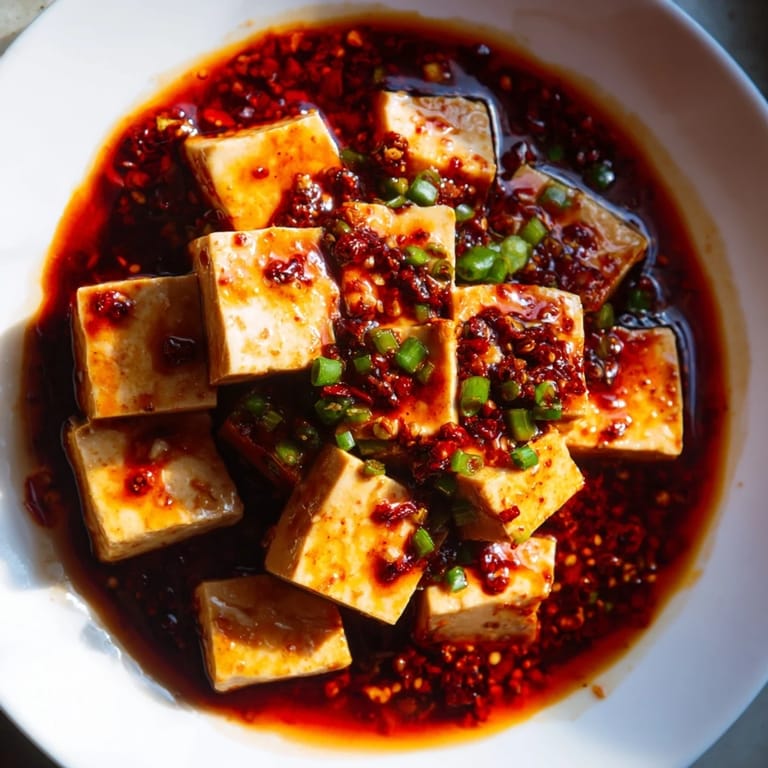
- Slide the tofu cubes in slowly and spoon the hot sauce over them gently. Let them sit for five minutes, barely moving them, so they absorb the flavor without breaking.
- Thicken it up:
- Give your cornstarch slurry a quick stir and drizzle it in while stirring the pan softly. Watch the sauce turn glossy and cling to the tofu like it belongs there.
- Finish with flourish:
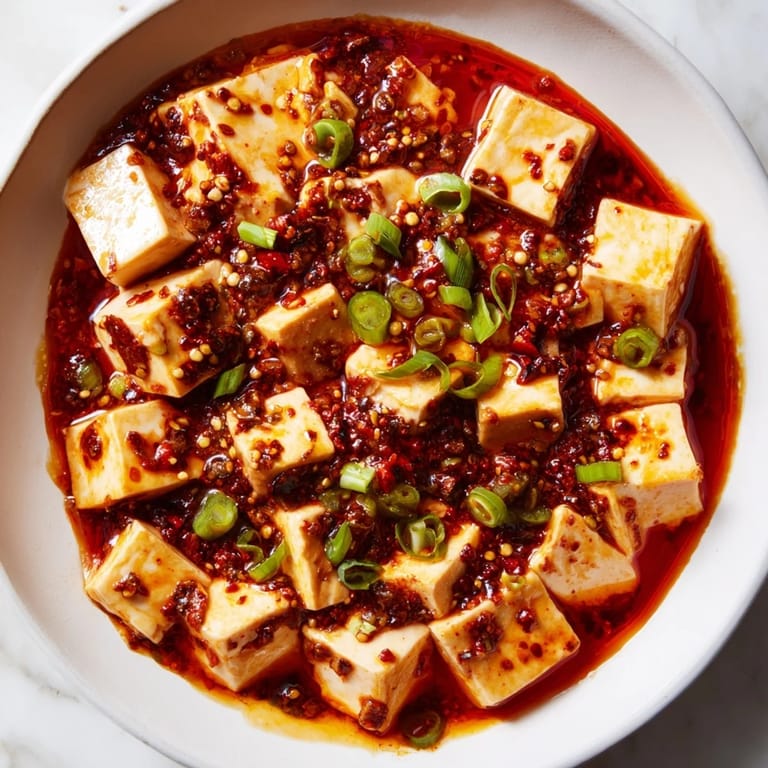
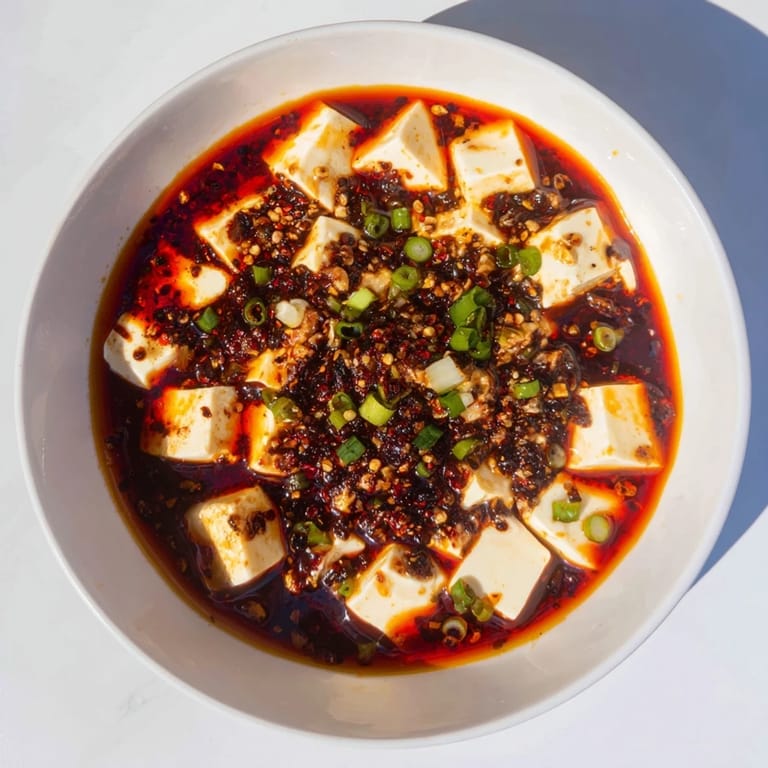
- Sprinkle the ground peppercorns over everything and scatter half the scallion greens across the top. The peppercorns will tingle on your lips before you even taste the heat.
- Serve immediately:
- Spoon everything over steamed rice while it's hot and the sauce is still coating everything. A drizzle of chili oil on top isn't mandatory, but it's welcome.
 Save to Pinterest
 There's something about this dish that makes people slow down and pay attention. Someone once told me it was the only thing that made them feel less lonely while eating alone, and I've thought about that every time I've made it since.
The Magic of Numbing Heat
Sichuan peppercorns don't actually taste spicy—they create this tingling, electrical sensation that feels like your mouth is falling asleep in the best way. The first time you experience that numbing sensation (what the Chinese call má), your brain does a double take. It's not heat; it's a texture of flavor, and once you understand that, you'll start craving it.
Why This Sauce Sticks Around
The sauce is built on doubanjiang, which is fermented broad bean paste mixed with chilies and salt. It tastes funky and intense on its own, but in this dish it becomes the backbone that holds everything together. The cornstarch slurry isn't just thickening—it's helping the tofu absorb every bit of that fermented flavor, turning something silky into something that tastes like it was made with intention.
Timing and Temperature Matter
This dish moves fast, which is part of its charm but also where things can go sideways if you're not watching. The tofu only needs five minutes in the sauce to soften and absorb flavor, but it'll fall apart if you keep stirring it around. The heat needs to stay at a gentle simmer, not a rolling boil. Speed matters here, but not the kind of speed that comes from rushing—the kind that comes from knowing what you're doing and moving with intention.
- Keep your ingredients prepped and within arm's reach before you start cooking so you're not scrambling mid-sauce.
- If your sauce thickens too much, loosen it with a splash of broth; if it's too thin, let it bubble a little longer before tasting.
- Taste as you go and adjust the spice level before you add the tofu, because once it's in there, you can only dial back so much.
 Save to Pinterest
 This dish has a way of becoming someone's favorite after one meal. Serve it hot over rice and watch what happens.
Recipe Questions
- → What type of tofu works best for this dish?
Silken or soft tofu provides a smooth texture, but firm tofu holds shape better during cooking, preventing breakage.
- → Can I make this without meat?
Yes, simply omit the ground pork or beef and use vegetarian chili bean paste and vegetable broth to keep it vegetarian-friendly.
- → How do Sichuan peppercorns affect the flavor?
Sichuan peppercorns add a unique numbing, tingling sensation that balances the heat from the chili bean sauce.
- → What is the purpose of the cornstarch slurry?
The cornstarch mixed with water thickens the sauce, allowing it to coat the tofu evenly for a silky finish.
- → What can I serve alongside this dish?
Steamed jasmine rice is traditional, and a crisp, slightly off-dry white wine like Riesling complements the bold flavors well.
- → How can spice levels be adjusted?
Adjust the amount of fermented chili bean paste and dried chilies to increase or decrease heat according to preference.