 Save to Pinterest
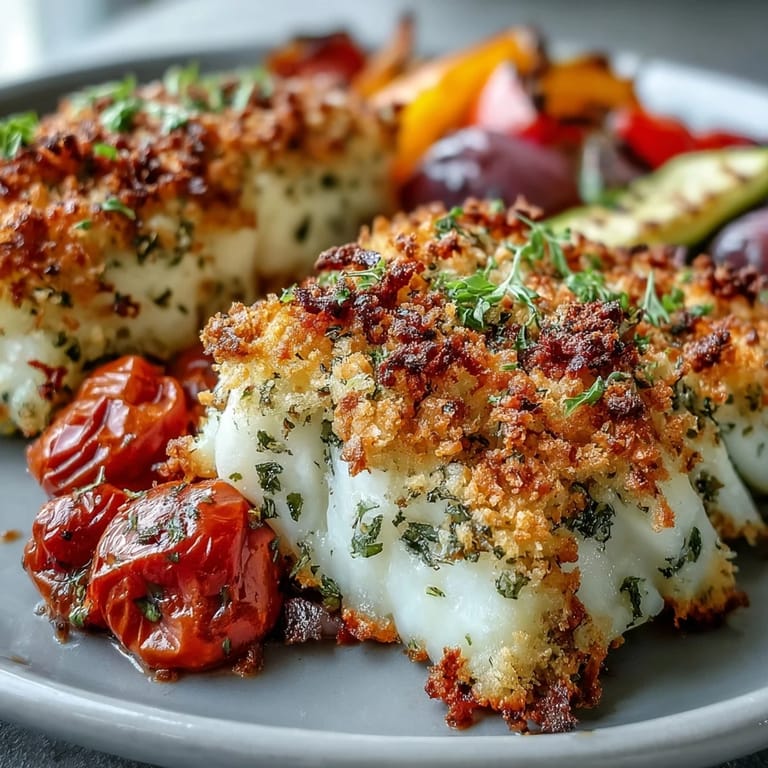
 There's a moment in every busy week when you stand in front of the fridge at 5 PM with zero energy for complexity, and somehow this sheet pan meal has become my answer. A friend brought it over during one of those stretched-thin evenings, and watching the oven work its magic while I poured a glass of wine felt like someone had handed me a cheat code. The kitchen filled with this golden, savory aroma that made everyone emerge from their rooms asking what was happening. Since then, it's been my go-to when I want something that looks fancy but requires almost no fuss.
I served this to my sister's family last summer when they were visiting, and my nephew actually asked for seconds of the vegetables—something that had literally never happened before. He stood there crunching on these roasted cherry tomatoes like they were snacks, and his mom and I just exchanged this look of pure disbelief. That's when I realized this dish has this quiet power to make everyone at the table happy without anyone feeling like they're eating "healthy food."
Ingredients
- Cod fillets (4, about 150 g each): Look for thick, evenly-sized pieces so they cook at the same rate; thinner edges won't dry out before thicker centers finish.
- Panko breadcrumbs (1/2 cup): Japanese panko gives you that shattering crispness that regular breadcrumbs can't match, and it browns beautifully in the oven.
- Parmesan cheese (1/3 cup, grated): The sharper, aged Parmesan is worth seeking out because it adds a nutty depth that softens cheeses can't provide.
- Asiago cheese (1/3 cup, grated): This is the secret weapon that keeps the crust from being one-dimensional; it adds a creamy sweetness underneath the Parmesan's sharpness.
- Fresh parsley (2 tablespoons, chopped): Don't skip this or substitute with dried; the fresh version keeps the coating from tasting heavy and adds a whisper of brightness.
- Garlic powder (1/2 teaspoon): Fresh minced garlic can burn in the oven, so the powder version is actually smarter here and distributes more evenly.
- Paprika (1/2 teaspoon): Adds color and a subtle warmth without any heat; look for Spanish smoked paprika if you want extra depth.
- Black pepper and salt: Freshly ground pepper tastes worlds different from the pre-ground kind, so this is where it matters most.
- Olive oil (3 tablespoons total): Quality matters more here than you'd think because you taste it directly; save your expensive stuff for drizzling at the end.
- Bell peppers (1 red, 1 yellow, sliced): The combination of colors isn't just pretty—yellow ones are sweeter and cook differently than red, creating interesting texture variation.
- Zucchini (1 medium, sliced into half-moons): Half-moons cook more evenly than rounds or sticks and develop better caramelization on their cut surfaces.
- Red onion (1 small, cut into wedges): The sulfurous rawness softens into sweetness during roasting, and the red color stays vibrant instead of turning muddy.
- Cherry tomatoes (200 g, halved): Halving them creates flat surfaces that catch heat and become almost jammy; whole ones steam instead of roast.
- Dried oregano (1/2 teaspoon): A whisper of this keeps everything tasting Mediterranean without overpowering the delicate fish.
Tired of Takeout? 🥡
Get 10 meals you can make faster than delivery arrives. Seriously.
One email. No spam. Unsubscribe anytime.
Instructions
- Get your oven ready and prep your pan:
- Preheat to 220°C (425°F) and line your sheet pan with parchment paper—this saves you from scrubbing later and lets everything release cleanly. If you're out of parchment, a light oil coating works, but parchment really is the move here.
- Build the cheese-panko coating:
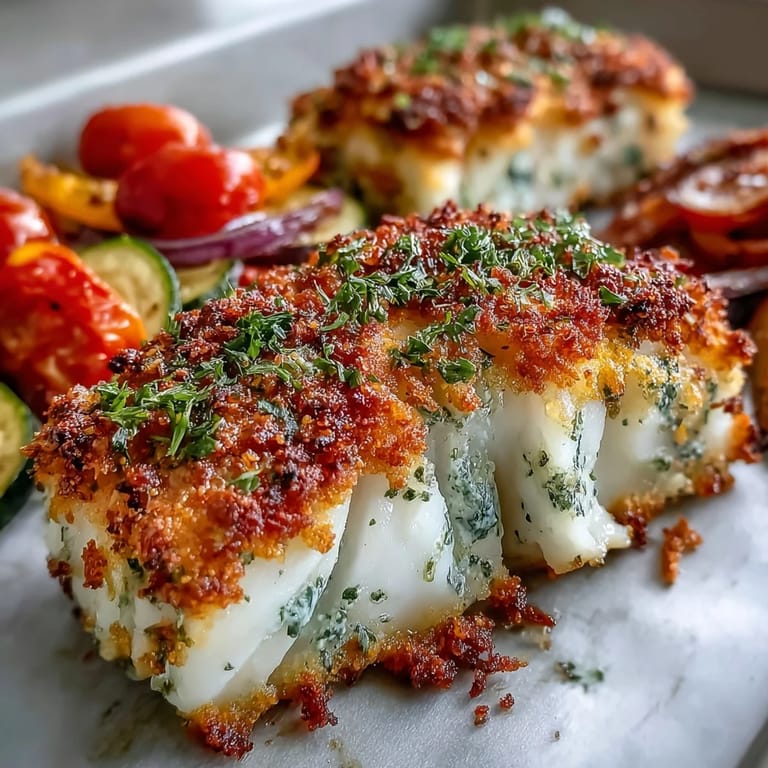
- In a bowl, combine panko, both cheeses, parsley, garlic powder, paprika, pepper, and salt, then drizzle in 2 tablespoons olive oil and mix with your fingers until it looks like wet sand. This step takes 2 minutes but makes the difference between a coating that sticks and one that slides off in the oven.
- Position your fish and dry the surface:
- Arrange the cod fillets on one side of the sheet pan and pat them completely dry with paper towels—this is non-negotiable because moisture prevents crust formation. A quick brush of olive oil on top helps the coating adhere and browns it gorgeously.
- Press the crust onto each fillet:
- Take a generous handful of the cheese mixture and press it firmly onto each fillet's top, using your palm to make sure it sticks. Don't be timid here; gentle pressing won't make it adhere; you want solid contact.
- Toss and arrange the vegetables:
- In a large bowl, toss your sliced peppers, zucchini, onion, and tomatoes with 1 tablespoon olive oil, oregano, salt, and pepper until everything's coated. Spread them on the other side of the pan in a single layer so they roast instead of steam.
- Roast everything together:
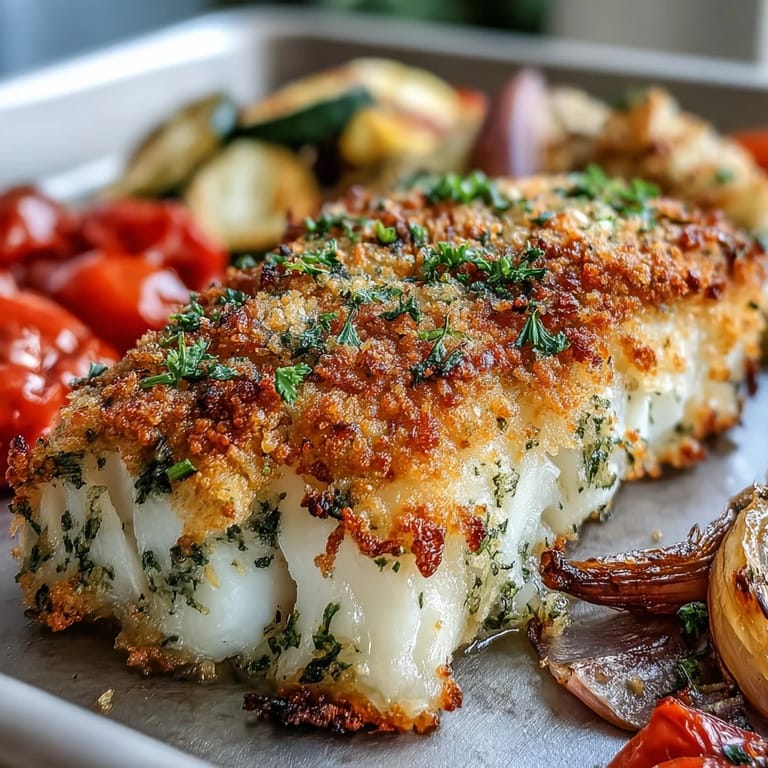
- Slide the pan into the oven and roast for 20–25 minutes until the fish is golden on top and flakes easily with a fork, and vegetables are tender with caramelized edges. The exact time depends on fillet thickness, so start checking at 18 minutes.
- Serve while it's still warm:
- Plate immediately and finish with fresh parsley or a lemon wedge squeeze if you want extra brightness cutting through the richness. This is best eaten fresh from the oven when the crust still has that satisfying crunch.
 Save to Pinterest
 My mom made this for a dinner party once and forgot to pat the fish dry, and while it still tasted good, the crust turned soggy halfway through the meal. She called me mid-dinner to ask what went wrong, and once I explained the moisture thing, she actually reframed it as a success because now she knows exactly what not to do. That's the kind of small lesson that sticks with you.
Why This Works as a Weeknight Dinner
Sheet pan cooking is honestly the most underrated kitchen hack because it's genuinely fast but never feels rushed. You're not managing multiple burners or timing different components; everything roasts at the same temperature and finishes together, which means your timing anxiety drops to basically zero. The vegetables naturally protect the fish from drying out by creating steam, and that same steam softens the vegetables, so the pan does the thinking for you.
Swapping Ingredients Without Losing Flavor
If cod isn't what you have, haddock and tilapia work beautifully and have almost identical cooking times. I've also made this with salmon when I wanted something richer, though it needs maybe 2 minutes less cooking time since salmon is oilier. The vegetable side is genuinely flexible too—swap in asparagus, snap peas, or even thick broccoli florets if that's what's in your crib, because the roasting method is what matters, not the exact vegetables.
Making It Your Own
This recipe is actually the perfect canvas for whatever's speaking to you that day. I've squeezed lemon over everything right before serving and let that brightness cut through the richness, which changes the whole vibe. Sometimes I'll add red pepper flakes to the cheese mixture if I want heat, or swap the Asiago for aged Gouda if I'm feeling different.
- A squeeze of fresh lemon or a sprinkle of lemon zest at the end makes the whole dish taste lighter and brighter.
- For gluten-free versions, swap regular panko for gluten-free panko or even crushed cornflakes, which actually crisp up beautifully.
- This pairs perfectly with a crisp white wine like Pinot Grigio, or honestly just cold water if you're keeping it simple.
 Save to Pinterest
 This meal has become my reliable friend when I need something that tastes like I tried but actually requires almost no effort. Serve it to people and watch their faces light up when they realize how good it is and how little time you spent on it.
Recipe Questions
- → What type of fish works best for this preparation?
White fish fillets like cod, haddock, tilapia, or halibut work wonderfully. Choose fillets that are similar in thickness so they cook evenly alongside the vegetables.
- → Can I make this dish gluten-free?
Absolutely. Substitute regular panko breadcrumbs with gluten-free panko or crushed cornflakes. Always check that your cheeses and seasonings are certified gluten-free.
- → How do I know when the fish is done?
The fish is ready when it flakes easily with a fork and the internal temperature reaches 145°F (63°C). The topping should be golden brown and the vegetables tender.
- → Can I prepare the vegetables ahead of time?
Yes, slice the vegetables several hours in advance and store them in an airtight container in the refrigerator. Toss with oil and seasoning just before roasting.
- → What other seasonings can I add to the crust?
Lemon zest adds brightness, while dried herbs like thyme or rosemary complement the cheese mixture. A pinch of cayenne pepper provides subtle heat if desired.
- → How should I store leftovers?
Store cooled leftovers in an airtight container in the refrigerator for up to 2 days. Reheat gently in the oven at 350°F to maintain the crispy texture.