 Save to Pinterest
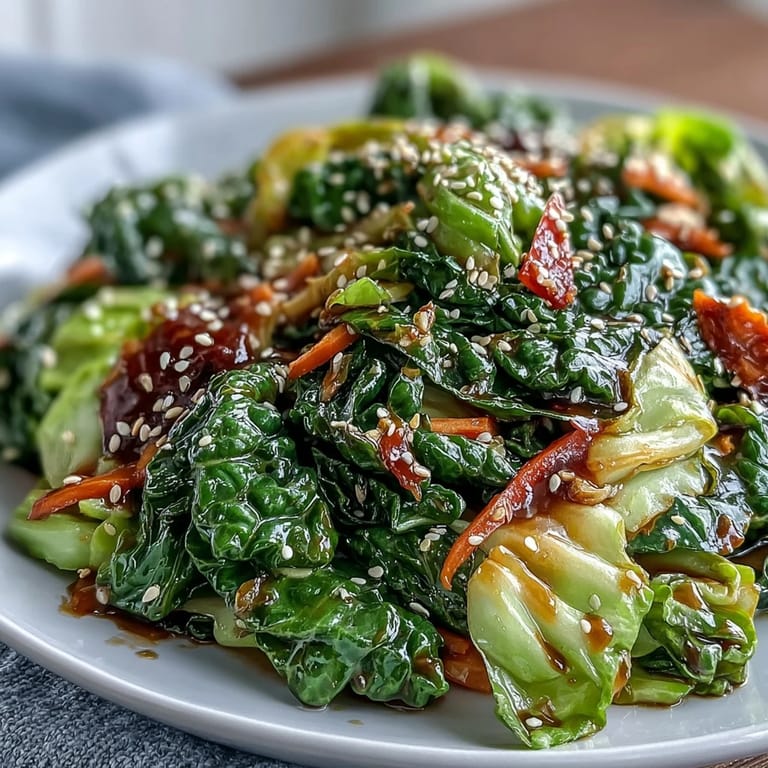
 The first time I made this spicy cabbage stir fry, the kitchen filled up with the smoky, heady scent of chilies mixed with sizzling garlic. I had just come home from the market, arms overflowing with bright-green cabbage and a few unruly spring onions that kept poking out of my bag. I was honestly craving something quick and zesty, but little did I know how satisfying that first fiery mouthful would be. Sometimes, you stumble onto simplicity that wakes up all your senses and grabs hold.
A few weeks ago, a friend dropped by unannounced, and we ended up standing by the stove scooping batches of this straight from the wok, talking and laughing over the spicy aromas. That little kitchen moment turned a quick meal into something that felt like a mini celebration.
Ingredients
- Green cabbage: Look for one with tight leaves and a heavy feel, and remember, slicing it thinly really helps it cook evenly and stay crisp.
- Carrot: The pop of color and touch of sweetness liven up the whole dish; peeling and julienning adds just the right texture.
- Spring onions: Splitting the white and green parts keeps their flavors distinct—save the greens for a burst of freshness at the end.
- Garlic: Go with fresh cloves for that unmistakable punch; chopping them finely prevents burning.
- Fresh ginger: Grate it on a microplane so it almost melts into the oil and infuses every bite.
- Fresh red chilies: Adjust to your own heat-tolerance, but I learned quickly that a little goes a long way!
- Soy sauce: Choose tamari for a gluten-free option, and opt for a good quality because it anchors the sauce.
- Rice vinegar: Just a splash brightens everything and balances the savoriness; trust me, don't skip it.
- Toasted sesame oil: Add right at the end for maximum depth—it's the tiniest drizzle that transforms the whole pan.
- Sugar or maple syrup: Just a teaspoon softens the edges of the spice; maple syrup brings a fragrant nuance if you have it.
- Ground white pepper: It gives just the right complexity, more subtle than black pepper, but undeniably present.
- Vegetable oil: A neutral, high-smoke-point oil works best—let it get properly hot so the stir fry sings.
- Toasted sesame seeds: Toast them yourself for a nuttier, fresher finish.
- Fresh coriander leaves: They're optional, but handfuls strewn on top wake up the whole dish with herbaceous lift.
Tired of Takeout? 🥡
Get 10 meals you can make faster than delivery arrives. Seriously.
One email. No spam. Unsubscribe anytime.
Instructions
- Get everything set up:
- Before you even heat the wok, slice and measure every ingredient so you can move with the speed this dish demands.
- Start the sizzle:
- Heat your oil until it shimmers and flicked drops of water dance—this is when you know the pan is ready.
- Add aromatics:
- Toss in garlic, ginger, and chilies; the sharp, fragrant cloud will have your appetite kicking in seconds.
- Onions and carrot in:
- Add the white parts of spring onion and carrot if you're using it—give them just a minute to soften while stirring briskly.
- Tumble in the cabbage:
- Let the thin ribbons of cabbage hit the hot pan, stirring constantly so everything gets a quick sear but keeps its crunch.
- Make the sauce:
- In a small bowl, combine soy sauce, rice vinegar, sesame oil, sugar or maple syrup, and white pepper; pour over the cabbage and inhale that sweet-sour aroma.
- Final toss:
- Mix quickly, letting the sauce coat every leaf as the cabbage turns glossier and more vibrant, about another two minutes.
- Finish fresh:
- Turn off the heat, drop in the sliced green spring onions, and give everything a last, gentle flop before sliding it onto a platter.
- Garnish and serve:
- Shower with sesame seeds and fresh coriander if you like—the final touch before digging in while it's hot.
 Save to Pinterest
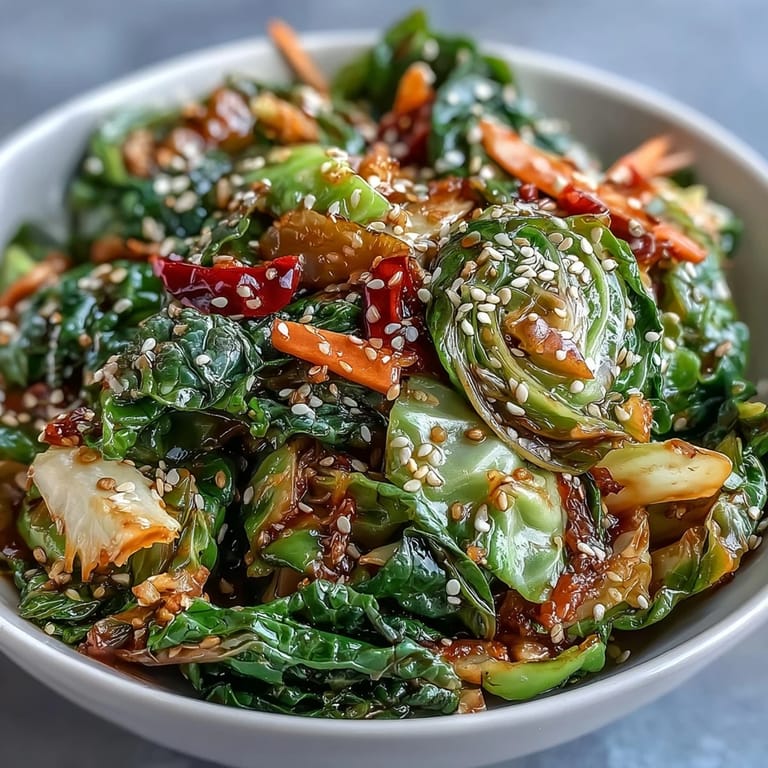
 There was a night when I made this as a midnight snack, and as soon as I crunched that first bite, I realized this spicy stir fry had become a tiny tradition—quick comfort that felt like an accomplishment in its own right.
Bringing Out the Best Flavors
Making the decision to use a big enough wok and plenty of heat really unleashes the edge-of-sweetness in cabbage and the toasty aroma of sesame. The contrast of soft and crisp is what I chase every single time now.
Keeping It Fresh and Vibrant
To keep the colors bright and avoid sogginess, I learned to slice everything evenly and toss with a light touch. Opening a window as the chilies hit the pan saves your eyes and lets the spice linger just the right way.
Simple Swaps That Work Wonders
Some days I swap carrot for bell pepper or add mushrooms, and when I want dinner to be more substantial, tofu cubes go in at the same stage as the cabbage.
- If you like extra crunch, toast the sesame seeds fresh before sprinkling.
- Rinse and dry your cabbage leaves to prevent splatter but don't skip the drying step.
- The leftovers are actually really tasty cold in a wrap or bowl the next day.
 Save to Pinterest
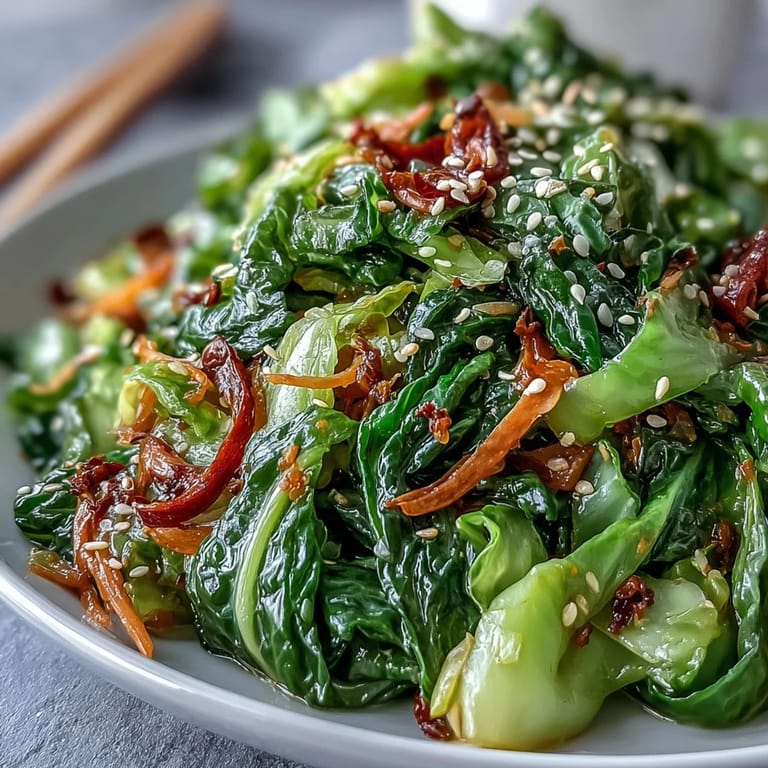
 Give this spicy cabbage stir fry a try when you need a burst of color and flavor in a hurry. It's the kind of dish that always sparks happy, hungry chatter in the kitchen.
Recipe Questions
- → How do I keep the cabbage crisp and not soggy?
Slice the cabbage thinly and stir-fry on high heat, tossing constantly. Cook only until it wilts slightly—about 2–3 minutes—to retain a tender-crisp texture.
- → Can I make this gluten-free?
Yes. Swap regular soy sauce for tamari or a certified gluten-free soy alternative to keep the same savory depth without gluten.
- → What are good protein additions?
Toss in cubed tofu or tempeh during the last few minutes of cooking so they warm through and pick up the sauce without losing texture.
- → How can I adjust the spice level?
Reduce or omit the fresh red chilies for milder heat, or add sliced chilies and a pinch of chili flakes for extra kick. Adjust gradually to taste.
- → What vegetables pair well with this dish?
Sliced bell pepper, mushrooms, or julienned carrot added with the white parts of the spring onions provide color, sweetness and more texture without altering the quick cook time.
- → How should leftovers be stored and reheated?
Cool quickly and refrigerate in an airtight container for up to 3 days. Reheat briefly in a hot skillet to refresh the texture; avoid microwaving for long periods to prevent sogginess.