 Save to Pinterest
 My first apartment had exactly one working appliance and it was the microwave. I learned to cook actual meals in it out of pure necessity and a stubborn refusal to eat frozen dinners every night. This pasta saved me more times than I care to admit, and honestly, sometimes I still prefer it to the stovetop version. There is something surprisingly satisfying about watching pasta cook through the microwave door, steam curling up against the glass.
I once made this for my brother when he came over unexpectedly and he refused to believe I did not boil water on a stove. We stood in my tiny kitchen watching the microwave together like it was performing a magic trick. Sometimes the simplest methods are the ones that stick with you longest.
Ingredients
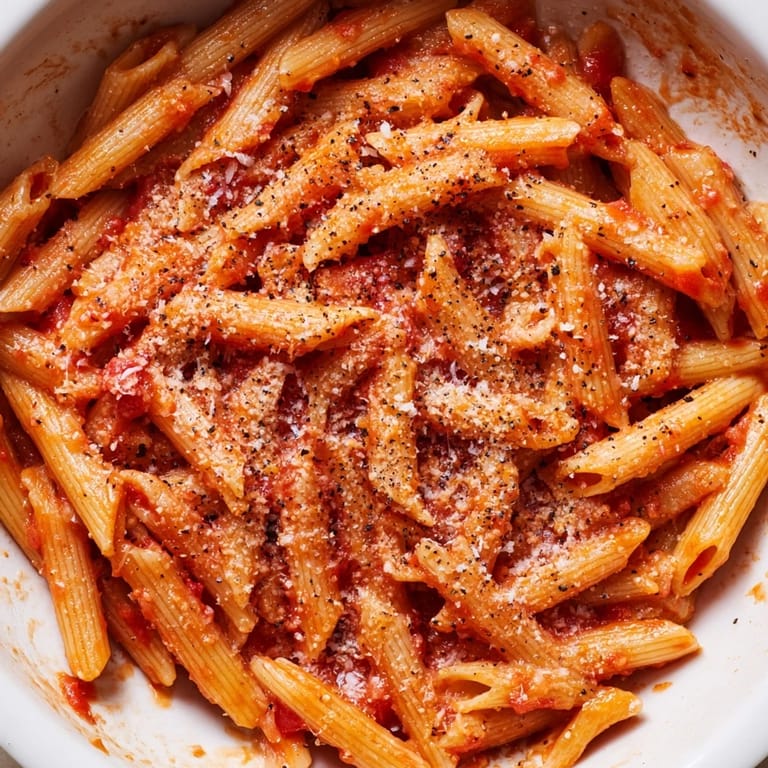
- Pasta: Short shapes like penne or elbow macaroni work best here and I learned the hard way that long noodles tangle into a hopeless mess
- Water: You need more liquid than you would think because most of it gets absorbed or evaporates during cooking
- Salt: Season the cooking water just like you would for stovetop pasta or you will end up with bland noodles
- Olive oil or butter: This keeps the pasta from clumping together and adds that finishing richness that makes it feel like a real meal
- Parmesan: Freshly grated makes a huge difference but the stuff in the green container will work in a pinch
- Sauce: Marinara or pesto or just some red pepper flakes if you want to keep it simple
Tired of Takeout? 🥡
Get 10 meals you can make faster than delivery arrives. Seriously.
One email. No spam. Unsubscribe anytime.
Instructions
- Choose the right bowl:
- Grab a microwave safe container that leaves at least half the bowl empty because this water will bubble up aggressively
- Combine everything:
- Dump in your pasta measure the water add the salt and give it a quick stir to make sure nothing is stuck together
- Start cooking:
- Microwave uncovered on high for 4 minutes then open it up and stir to prevent sticking and check how the water is doing
- Continue in bursts:
- Cook in 2 minute increments stirring between each until the pasta is tender and most water has disappeared which usually takes another 4 to 6 minutes
- Finish it off:
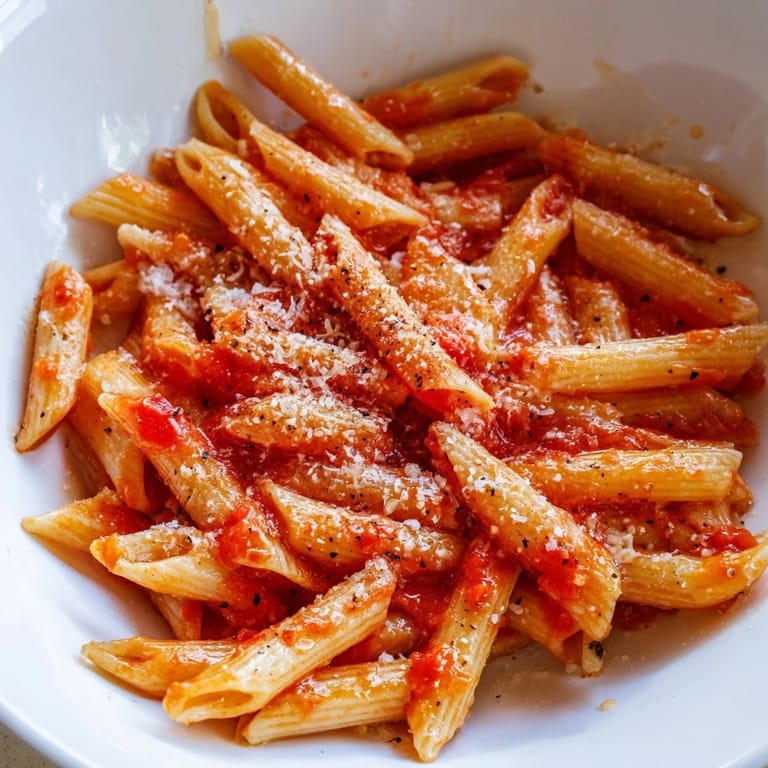
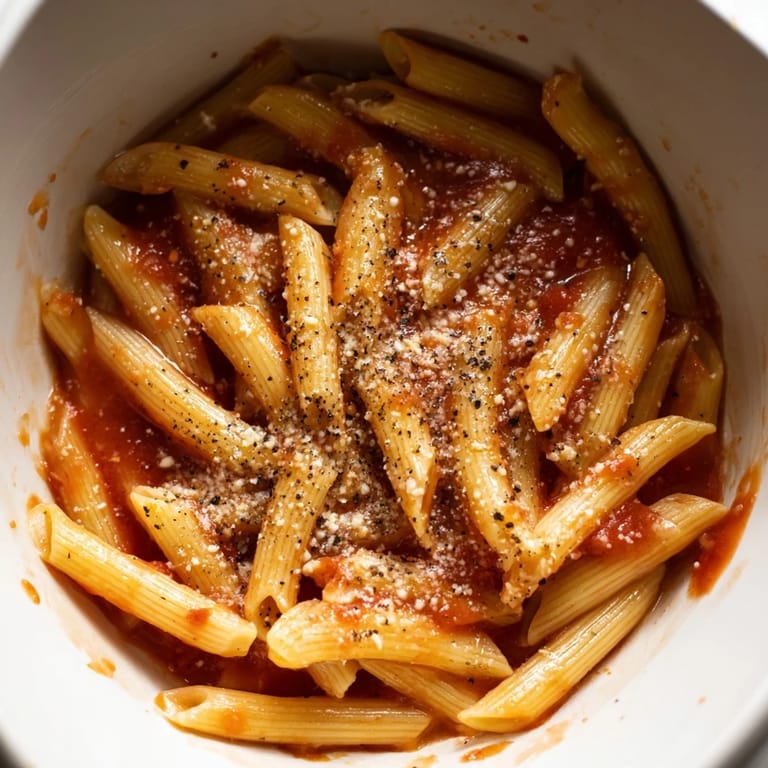
- Drain any excess liquid then toss with butter olive oil parmesan and whatever sauce or seasonings you like
 Save to Pinterest
 This became my go to late night meal in college and even now with a fully equipped kitchen I find myself making it more often than I should probably admit. Some habits just stick.
The Boil Over Problem
Every microwave behaves differently and I have cleaned up starchy water overflow enough times to know that it is worth using a bigger bowl than you think you need. The first time I made this I used a cereal bowl and ended up with pasta water all over the turntable.
Testing for Doneness
The visual cues are different from stovetop cooking because you cannot taste as easily while it is cooking. Look for the pasta to swell and the water to become thick and starchy rather than clear. If in doubt undercook slightly because it will continue cooking in the hot water while you drain it.
Making It a Meal
This base recipe is infinitely adaptable and I have thrown everything from frozen peas to leftover rotisserie chicken into the bowl during the last microwave interval. The key is adding quick cooking ingredients that do not need much time to heat through.
- Stir in a handful of spinach right after draining and let the residual heat wilt it
- A cracked egg dropped on top and covered for a minute creates the creamiest sauce
- Keep a jar of good pesto in the fridge for when you need something fancier than butter
 Save to Pinterest
 Sometimes the simplest recipes are the ones that become part of who you are in the kitchen. This bowl of pasta has gotten me through more busy nights than I can count.
Recipe Questions
- → What pasta shapes work best in the microwave?
Short pasta shapes like penne, fusilli, and elbow macaroni yield excellent results. These shapes cook evenly and fit well in a microwave-safe bowl. Longer pasta like spaghetti can become tangled and may not cook as uniformly.
- → Why does my pasta boil over in the microwave?
Boil-overs typically occur when the bowl is too full. Ensure the pasta and water fill no more than half the bowl's capacity. Using a larger bowl than necessary provides plenty of room for bubbling and prevents messy spills.
- → How do I know when the pasta is done?
Taste test a piece after the recommended cooking time. The pasta should be tender but still have a slight bite in the center—this is the al dente texture. If needed, continue microwaving in 1-minute increments until perfect.
- → Can I make this gluten-free?
Absolutely. Use your favorite gluten-free pasta and follow the same method. However, gluten-free pasta cooking times may vary, so start checking for doneness a few minutes earlier to prevent overcooking.
- → What can I add to make it more filling?
Stir in cooked vegetables like spinach, broccoli, or bell peppers. Add protein such as grilled chicken, canned tuna, or beans. Extra toppings like mozzarella, fresh herbs, or a drizzle of pesto elevate the dish beautifully.