 Save to Pinterest
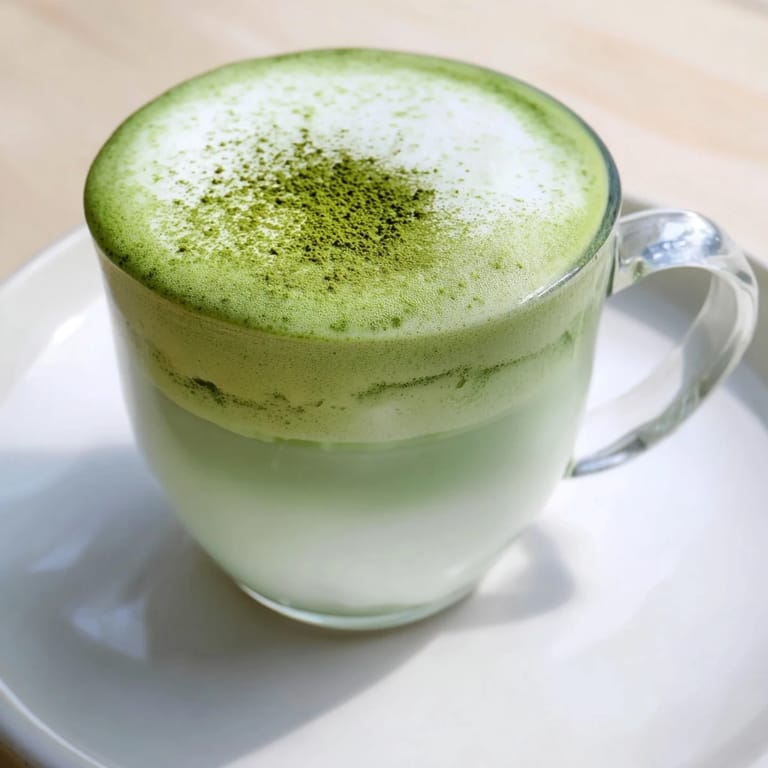
 The first time I had matcha was in a tiny Tokyo café where the barista moved with such deliberate grace I felt like I was watching a meditation. That bright green foam changed everything I thought I knew about tea, and Ive been chasing that perfect frothy cup ever since.
Last winter when my friend came over feeling completely drained, I made her this latte and watched her shoulders actually drop as she took that first sip. She texted me later that afternoon asking for the recipe because the regular office coffee just wasnt cutting it anymore.
Ingredients
- Matcha green tea powder: Sifting is the game changer that separates the silky smooth from the chunky disappointing cups
- Hot water (80°C/175°F): Boiling water burns the delicate tea leaves and makes everything taste bitter
- Milk (dairy or plant-based): Oat milk creates the creamiest foam but dairy gives that traditional velvety finish
- Honey, maple syrup, or sugar: Start with less than you think because matcha has natural sweetness you might miss
Tired of Takeout? 🥡
Get 10 meals you can make faster than delivery arrives. Seriously.
One email. No spam. Unsubscribe anytime.
Instructions
- Sift and dissolve the matcha:
- Press the powder through a fine mesh sieve into your favorite mug, then whisk in hot water until tiny bubbles form on top
- Heat and froth the milk:
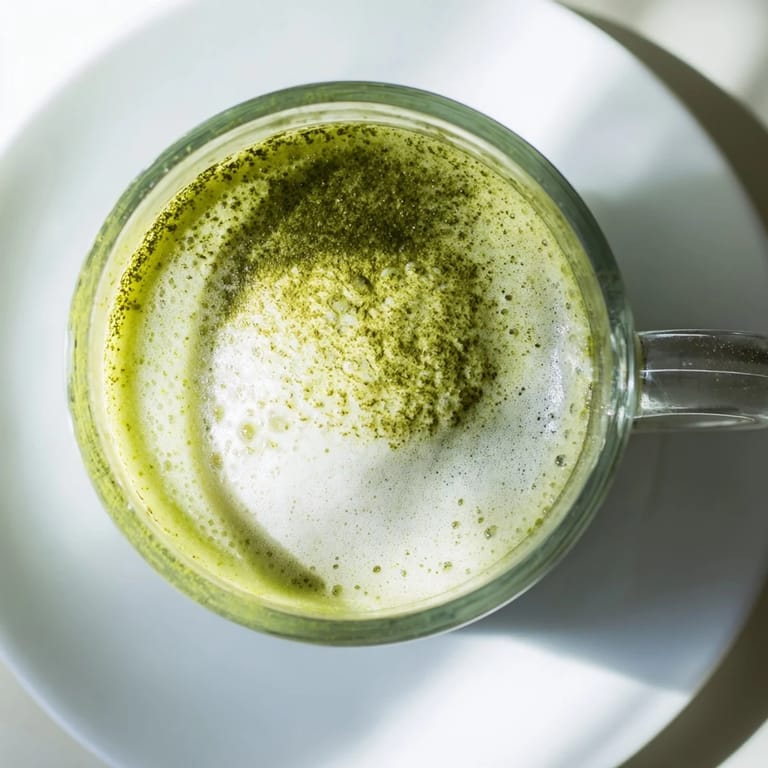
- Warm your milk until steaming hot, then use a frother or whisk to create thick foam that holds its shape
- Layer your latte:
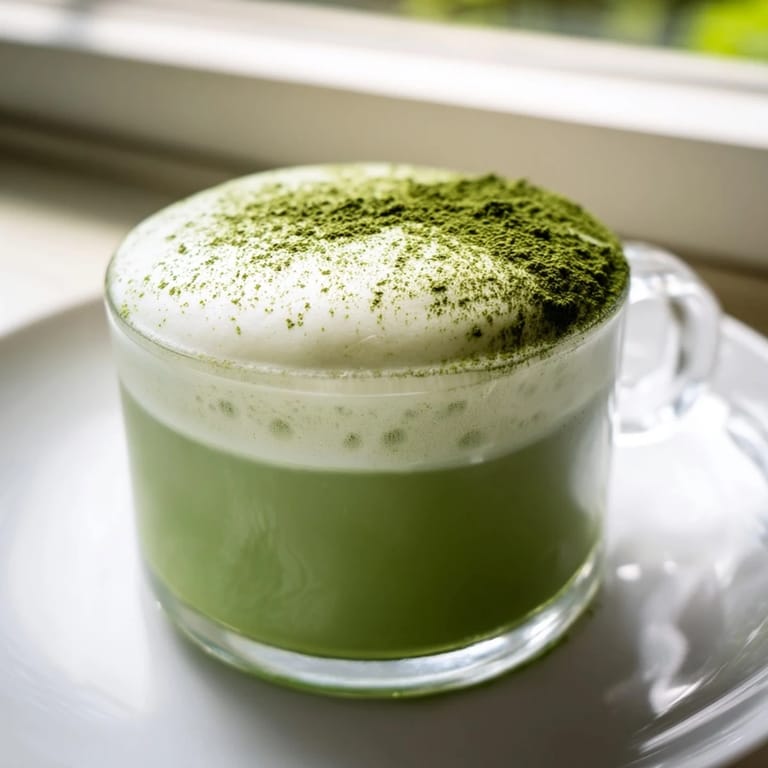
- Pour the matcha concentrate into two mugs, add sweetener if using, then gently pour milk over the back of a spoon to create that beautiful layered effect
 Save to Pinterest
 This became my Sunday morning ritual during a particularly stressful month, and somehow those five minutes of focused whisking became the most peaceful part of my week.
Making It Iced
Fill your glass with ice cubes, pour the matcha concentrate over them, then add cold milk straight from the fridge. The contrast between the vibrant green and white ice makes even a regular Tuesday feel special.
Choosing Your Matcha
Ceremonial grade costs more but the flavor is smooth and slightly sweet, while culinary grade works fine for lattes but can taste grassy. I started with a mid-range option until I knew I was committed.
Frothing Without Tools
Shake cold milk in a sealed jar for 30 seconds, microwave until hot, then shake again. The foam might not be coffee-shop perfect, but it gets the job done in a pinch.
- A bamboo whisk (chasen) really does work better than a regular whisk
- Warm your mug first so the drink stays hot longer
- Leftover matcha paste keeps in the fridge for one day if sealed tightly
 Save to Pinterest
 Theres something meditative about the whole process that slows you down, even on the most chaotic mornings.
Recipe Questions
- → What temperature should the water be when preparing matcha?
Use water around 80°C (175°F) — hot but not boiling. Boiling water can make matcha taste bitter and may destroy some of its beneficial compounds.
- → Can I make this latte with plant-based milk?
Absolutely. Almond, oat, and soy milk all work beautifully. Oat milk particularly mimics the creaminess of dairy milk and froths well.
- → Why is sifting matcha powder important?
Sifting breaks up clumps and ensures a smooth, velvety texture. Matcha powder tends to stick together, so sifting guarantees even dissolution and a lump-free drink.
- → How do I get the most froth when whisking matcha?
Use a bamboo matcha whisk (chasen) in a rapid zigzag motion. If using a regular whisk, whisk briskly back and forth rather than in circles to incorporate air and create foam.
- → Can I make this latte iced?
Yes. Prepare the matcha concentrate as directed, then pour over ice-filled glasses and add cold milk. You can also froth cold milk using a handheld frother for a chilled version with foam.
- → How can I adjust the matcha flavor intensity?
Start with 2 teaspoons matcha for two servings. For a stronger flavor and more energy boost, increase to 3 teaspoons. For a milder taste, reduce to 1 teaspoon.