 Save to Pinterest
 My neighbor Marcus handed me a container of homemade jerk seasoning one afternoon while we were both watering our gardens, insisting I had to try it on pork. I was skeptical at first—Caribbean spices felt intimidating—but that evening, the aroma of allspice and thyme filling my kitchen converted me instantly. What started as a curious experiment became the dish I make whenever I want to feel like I've traveled somewhere warmer, bolder, more alive than my usual weeknight routine.
I made this for my sister's birthday last summer on her tiny apartment balcony, and watching everyone close their eyes after that first bite told me everything. She texted me the next day asking for the recipe, which meant more to me than any store-bought gift ever could.
Ingredients
- Pork tenderloin (1 to 1.25 lbs): This cut is naturally lean and cooks quickly, which is why it's perfect for this high-heat roasting method—just don't skip the resting step or it'll be dry.
- Olive oil: Two tablespoons help the spices cling to the meat and create a gorgeous, caramelized exterior.
- Soy sauce: One tablespoon adds umami depth and a subtle saltiness that rounds out all those warm spices.
- Brown sugar: Just a tablespoon balances the heat and helps build that flavorful crust in the oven.
- Fresh lime juice: This is non-negotiable—it brightens everything and keeps the dish from feeling heavy.
- Ground allspice: Two teaspoons are the soul of jerk seasoning, offering notes that are somehow simultaneously warm and almost fruity.
- Ground cinnamon: One teaspoon might sound unusual, but it whispers in the background and makes people wonder what you did differently.
- Dried thyme: One teaspoon ties the whole flavor profile together with an herbal earthiness.
- Smoked paprika: One teaspoon adds color and a subtle smokiness that makes you think of outdoor cooking.
- Salt and black pepper: One teaspoon of salt and half a teaspoon of pepper are your foundation—taste as you go.
- Cayenne pepper: Start with half a teaspoon unless you love serious heat, then adjust upward with confidence.
- Garlic and Scotch bonnet pepper: Two minced cloves and one small pepper (use gloves—I learned this the hard way) create the fiery, aromatic core of this marinade.
- Green onions: Two sliced ones add a fresh note that cuts through the richness.
- Fresh lime wedges and cilantro: For serving, these brighten each bite and feel celebratory.
Tired of Takeout? 🥡
Get 10 meals you can make faster than delivery arrives. Seriously.
One email. No spam. Unsubscribe anytime.
Instructions
- Heat your oven and prep:
- Preheat to 425°F and line a baking sheet with foil or parchment paper. You want everything ready so you can move quickly once the marinade is mixed.
- Build your marinade:
- Whisk olive oil, soy sauce, brown sugar, lime juice, allspice, cinnamon, thyme, paprika, salt, black pepper, and cayenne in a small bowl. Add minced garlic, your finely chopped Scotch bonnet (wear gloves—I cannot stress this enough), and green onions, stirring until everything comes together as a thick, fragrant paste.
- Dry the pork:
- Pat the tenderloin completely dry with paper towels and place it on your prepared baking sheet. Moisture is the enemy of browning, so take a moment here.
- Coat generously:
- Rub the entire marinade over the pork, making sure every surface gets coated. The spices should look almost encrusted on the meat.
- Let it marinate:
- If you have 10 to 15 minutes, use them—the flavors will start to penetrate. If you want deeper seasoning, cover and refrigerate for up to 4 hours, then bring to room temperature before roasting.
- Roast with confidence:
- Place in the oven for 20 to 25 minutes, until an instant-read thermometer inserted in the thickest part reads 145°F. You'll smell everything coming together around minute 15, which is when the anticipation becomes real.
- Rest the meat:
- Tent loosely with foil and let sit for 5 to 10 minutes. This is when the juices redistribute, and honestly, it's the hardest part because you'll be dying to slice in immediately.
- Slice and serve:
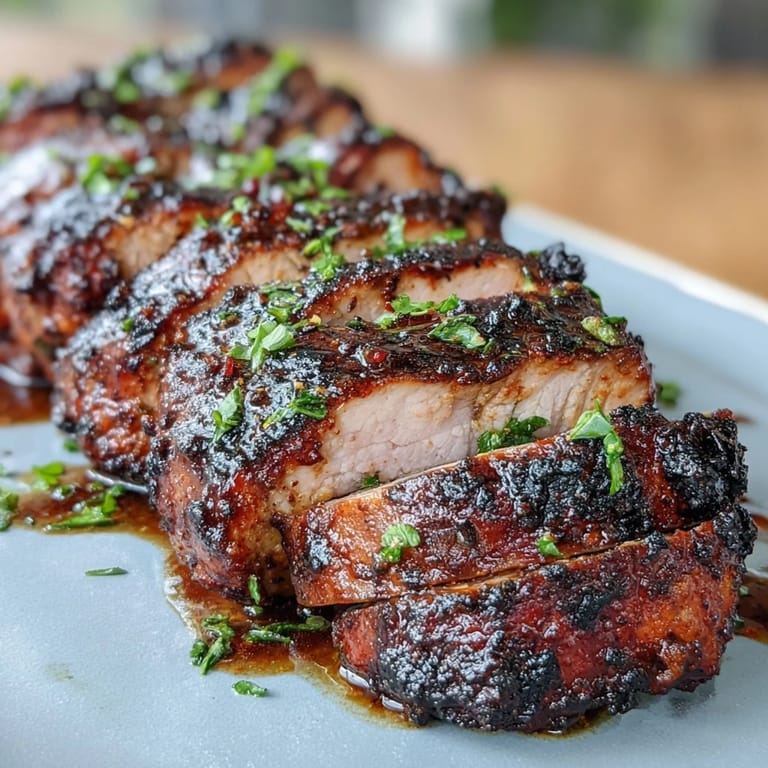
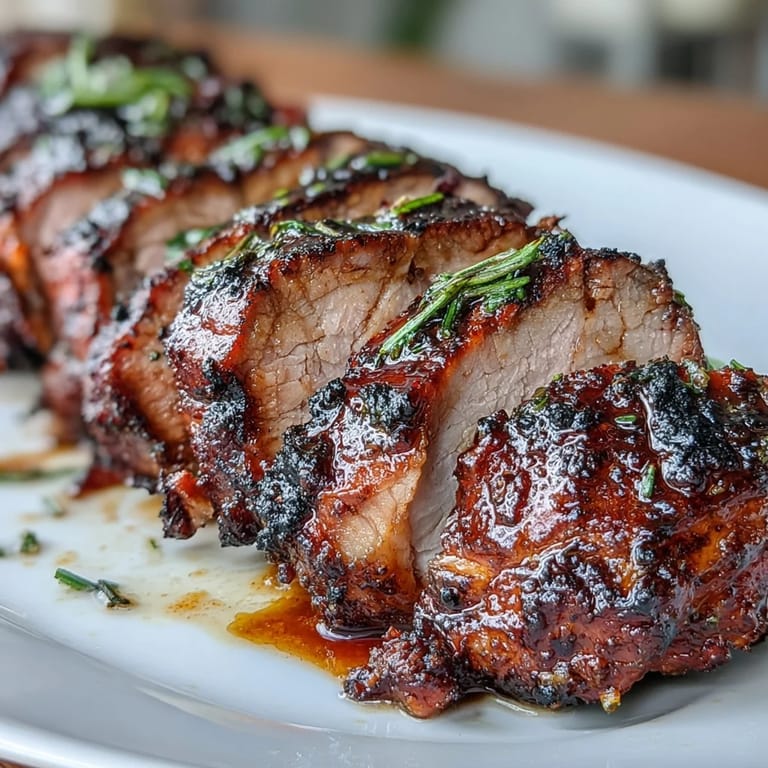
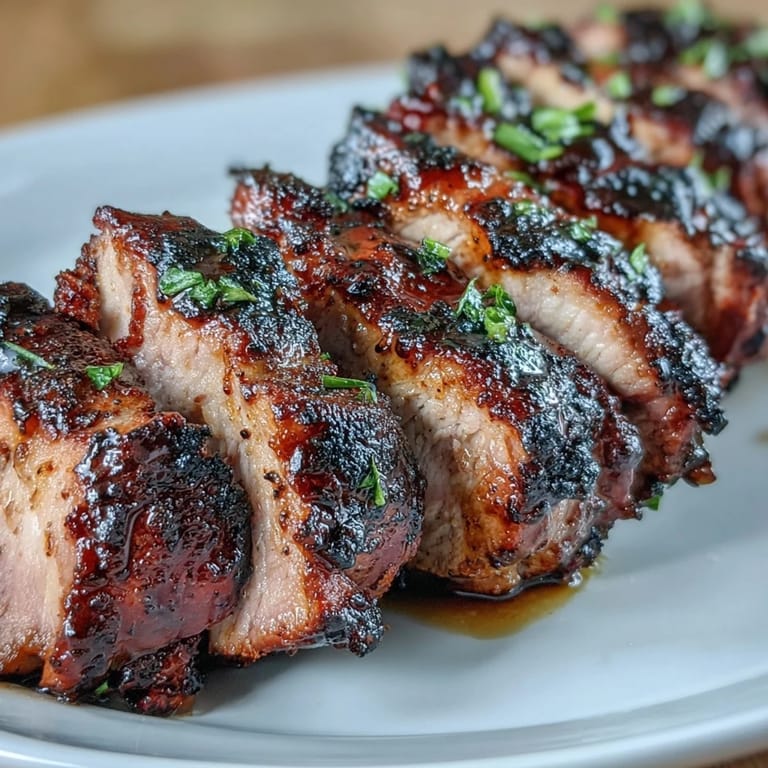
- Cut crosswise into half-inch slices, arrange on a plate, and scatter cilantro over the top. Serve with lime wedges so everyone can squeeze according to their preference.
 Save to Pinterest
 There's something about serving this dish that makes people slow down and actually taste their food instead of rushing through dinner. My mother tasted it once and asked if I'd taken a cooking class—I hadn't, but that question made me realize how much confidence this recipe gives you in the kitchen.
Why This Spice Blend Works
Jerk seasoning is a carefully balanced orchestra where each ingredient has a specific job. Allspice and cinnamon create warmth and complexity, while the Scotch bonnet provides both heat and fruity undertones that most people associate with Caribbean cooking without being able to name. The smoked paprika adds depth and color, the thyme brings herbal earthiness, and the lime juice cuts through everything with brightness. It's not just heat for heat's sake—it's flavor layering, which is something I didn't fully appreciate until I started experimenting with the balance.
What to Serve Alongside
This pork sings with simple sides that don't compete with all those bold spices. Rice and peas is the traditional pairing, but I've also served it alongside roasted sweet potatoes, grilled pineapple chunks, or a crisp green salad with avocado. The key is giving those jerk flavors room to shine rather than piling on five other things. On warmer evenings, I make a simple lime and cilantro rice, which feels restaurant-quality but takes maybe 20 minutes.
Making It Your Own
Once you feel comfortable with this recipe, it becomes a template for so many other proteins and preparations. I've used this exact marinade on chicken thighs, grilled shrimp, and even roasted cauliflower steaks for a vegetarian dinner. The beauty of jerk seasoning is that it's forgiving—if you like more heat, add another quarter teaspoon of cayenne, or keep some seeds in the Scotch bonnet for a serious kick. Some people add a tablespoon of rum or a splash of vinegar to deepen the marinade, and honestly, both work beautifully.
- Leftovers shredded into sandwiches or tucked into soft wraps with slaw make for an absolutely craveable next-day meal.
- You can marinate the pork the night before, which means actual relaxation time on the evening you serve it.
- Double the marinade and freeze half for the next time inspiration strikes—it lasts up to three months and takes out so much prep work.
 Save to Pinterest
 This recipe taught me that bold flavors don't require hours in the kitchen or ingredients you can't find. Every time I make this, I feel a little more adventurous in the kitchen, which is exactly what good recipes should do.
Recipe Questions
- → What cut of pork works best for this dish?
Pork tenderloin is ideal due to its tenderness and ability to absorb flavors from the jerk marinade well.
- → How long should the pork marinate?
Marinating for 10–15 minutes at room temperature works, but up to 4 hours in the refrigerator deepens the flavors.
- → Can the heat level be adjusted?
Yes, modify the cayenne and Scotch bonnet amounts according to your preferred spice tolerance.
- → What side dishes complement this pork tenderloin?
Serve with rice and peas, grilled pineapple, or fresh salads to balance the bold spices.
- → Is there a suitable alternative to pork?
Chicken breast can be substituted for a lighter option while maintaining the dish's characteristic flavors.