 Save to Pinterest
 The first time I tasted proper satay sauce, it was at a small street vendor in Jakarta during a humid afternoon. I was skeptical of the creamy peanut mixture until I dipped a piece of grilled chicken into it, and suddenly everything clicked—the richness of coconut, the brightness of lime, the warmth of spices that made my mouth water. Now I make it at home constantly, and it's become the sauce I reach for whenever I want to turn simple grilled things into something memorable.
I made this sauce for a backyard dinner party last summer, and my neighbor—who usually skips dipping sauces—went back for thirds. She was standing by the grill with a skewer in one hand, sauce bowl in the other, just shaking her head in disbelief that something so simple could taste so good. That's when I realized this wasn't just a condiment; it was the thing that made the whole meal feel intentional.
Ingredients
- Creamy peanut butter: Use unsweetened and unsalted so you can control the flavor profile—it's the backbone of the sauce, lending body and richness without taking over.
- Coconut milk: Full-fat is non-negotiable here; it creates that silky texture and subtle sweetness that balances the spices.
- Soy sauce: The umami anchor that makes everything taste deeper and more complex.
- Fresh lime juice: This is what gives the sauce its brightness—bottled juice won't have the same snap.
- Brown sugar: A touch of sweetness that rounds out the heat and ties the flavors together.
- Minced garlic: Fresh garlic adds a sharp, aromatic note that jarred garlic can't match.
- Ground coriander and cumin: These warm spices are what make satay sauce distinctly Southeast Asian; they ground the flavor in place.
- Chili flakes: Start with a quarter teaspoon and adjust—heat builds as the sauce sits.
Tired of Takeout? 🥡
Get 10 meals you can make faster than delivery arrives. Seriously.
One email. No spam. Unsubscribe anytime.
Instructions
- Combine the base:
- Pour the peanut butter and coconut milk into a small saucepan and whisk them together over medium heat. Watch as the peanut butter loosens and becomes creamy—this takes only a minute or two if you keep whisking steadily.
- Add the seasoning:
- Stir in the soy sauce, lime juice, brown sugar, garlic, coriander, cumin, chili flakes, and salt. The mixture will smell incredible almost immediately—that's your cue that everything is working together.
- Simmer and thicken:
- Bring the sauce to a gentle bubble, stirring often to prevent the bottom from sticking. After 3 to 5 minutes, you'll notice it becoming glossy and noticeably thicker, like it's gaining presence in the pan.
- Taste and adjust:
- This is the moment to make it yours. Need more tang? Squeeze in lime. Want more sweetness? Add a pinch more sugar. Craving more heat? Scatter in more chili flakes and stir.
- Reach the right consistency:
- If the sauce is too thick, whisk in water one tablespoon at a time until it flows like it should. If using fish sauce, add it now and stir it through.
- Cool and serve:
- Let it rest off the heat for a few minutes so you don't burn your mouth when you taste it. Serve warm or at room temperature, depending on what you're dipping.
 Save to Pinterest
 There's a moment when you're standing over the pot and the aroma hits you—peanut and coconut and lime all at once—and you know this is going to be good. That's the moment I realized why satay sauce is so beloved across Southeast Asia. It's not pretentious. It's just genuinely delicious, made with things anyone can find, ready in the time it takes to grill some chicken.
Flavor Building
The magic of this sauce lives in the balance between its four taste anchors: creamy (coconut and peanut), salty (soy sauce), bright (lime), and warm (spices). If one note feels too loud, it's usually because the others are too quiet. I learned this by making it slightly wrong the first few times—too heavy with peanut butter one time, too acidic another. Now I think of it like seasoning soup: you add layers, taste, and adjust until it sings.
Storage and Serving
This sauce keeps happily in the refrigerator for up to five days, though I rarely have any left that long. When you want to use it again, warm it gently on the stove or microwave it in short bursts, stirring between intervals. It'll thicken as it cools, so if it looks too stiff the next day, just add a splash of warm water and stir until it loosens up.
Ways to Serve It
Satay sauce is the kind of thing that unlocks a dozen different meals. Brush it over grilled chicken skewers and serve with cucumber and rice. Dollop it on crispy tofu and fresh vegetables for a light dinner. Use it as a salad dressing, thinning it with a bit of extra lime juice and water until it coats leaves without weighing them down. Once you have a batch on hand, you'll find reasons to use it constantly.
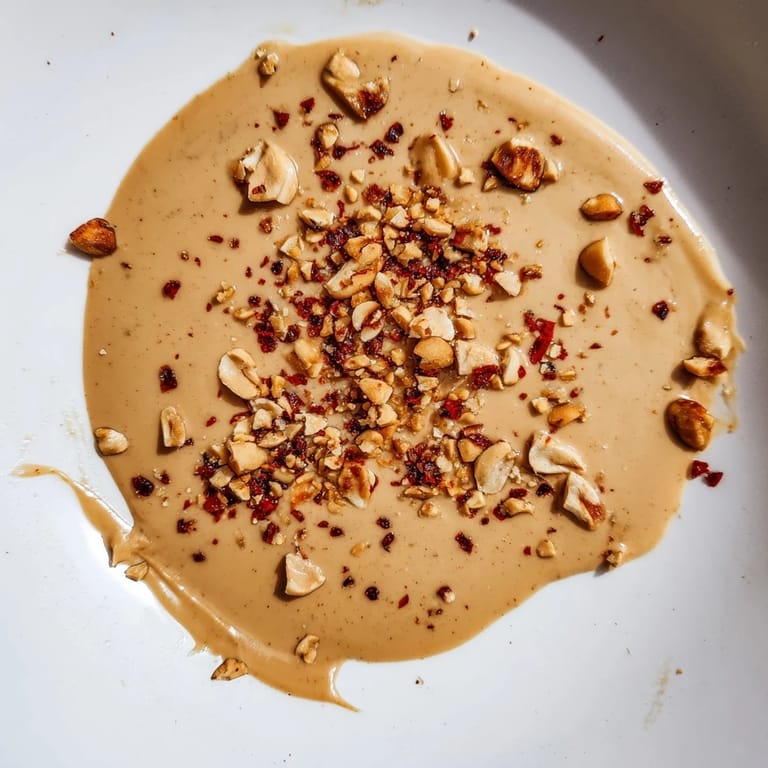
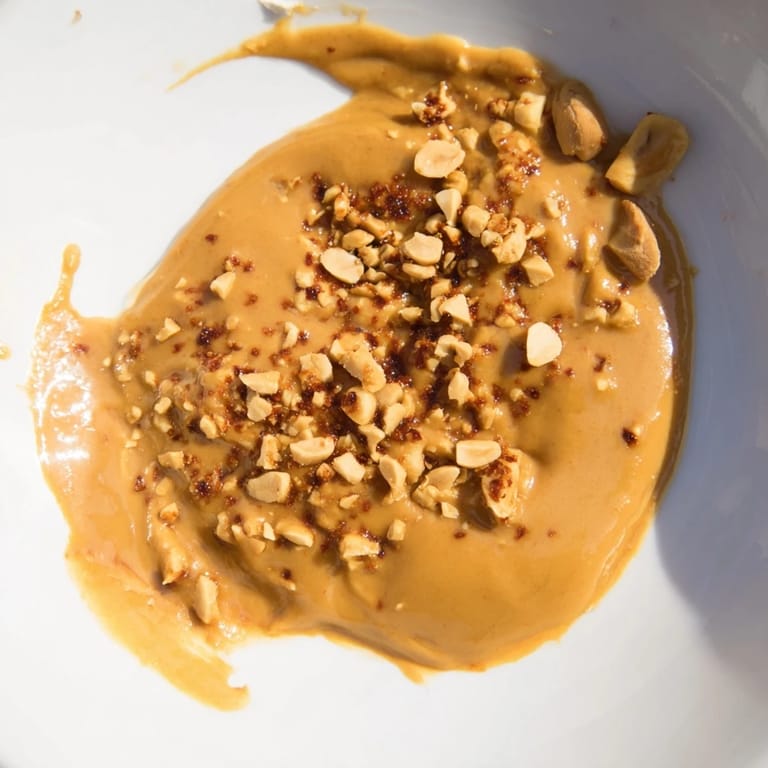
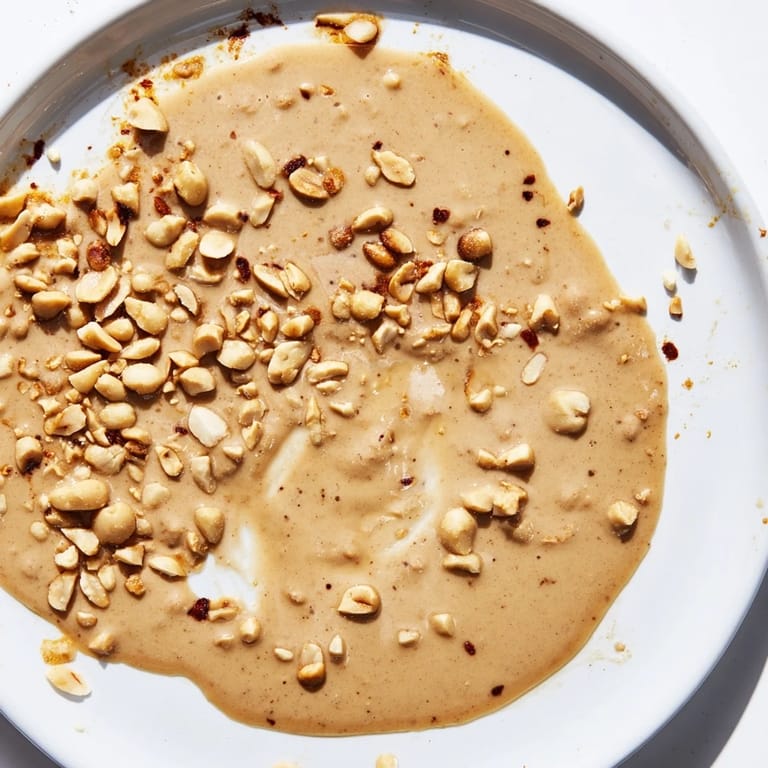
- For extra texture and richness, stir in two tablespoons of crushed roasted peanuts at the very end.
- If you need it gluten-free, swap soy sauce for tamari and double-check that your coconut milk has no hidden additives.
- This sauce tastes even better the next day once the flavors have had time to get to know each other.
 Save to Pinterest
 Make this sauce and you'll understand why it shows up in so many Southeast Asian kitchens. It's humble and forgiving, ready in minutes, and transforms whatever it touches into something worth savoring.
Recipe Questions
- → What ingredients create the satay sauce's creamy texture?
Creamy peanut butter combined with full-fat coconut milk provides the rich, smooth texture of the satay sauce.
- → Can this sauce be made gluten-free?
Yes, using gluten-free soy sauce alternatives like tamari or coconut aminos ensures the sauce is gluten-free.
- → How can I adjust the sauce’s spiciness?
Modify the amount of chili flakes to increase or decrease the heat level according to your preference.
- → What is the best way to reheat the sauce?
Gently warm the sauce over low heat while stirring to maintain its creamy consistency without separating.
- → Can crushed peanuts be added for texture?
Yes, adding crushed roasted peanuts at the end gives the sauce a pleasant chunky texture.
- → Is fish sauce necessary for this sauce?
Fish sauce is optional and adds umami depth; omit it for a vegetarian version without compromising flavor.