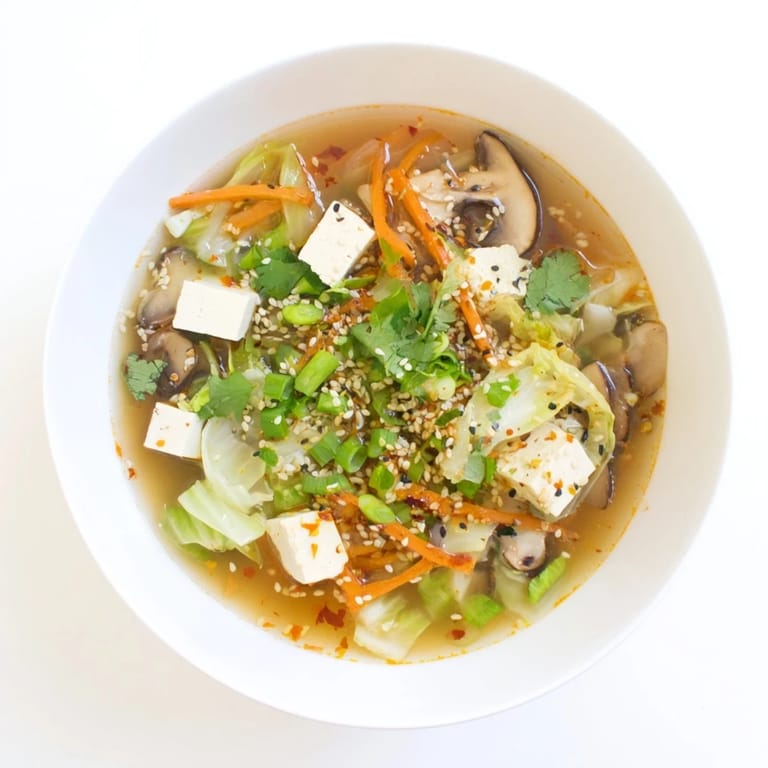
 Save to Pinterest
 Last February, when everyone around me seemed to be fighting off some winter bug, I found myself craving something that felt like a warm hug from the inside out. This ginger-miso soup started as a desperate improvisation with whatever I had in my crisper drawer, but something magical happened when the miso hit that ginger-infused broth. Now it's become my go-to whenever the temperature drops below 50 degrees or I just need something gentle yet deeply satisfying.
My roommate walked in while I was making this for the first time, literally stopped in her tracks and asked what smelled so incredible. She ended up eating two bowls and demanding the recipe immediately. Now whenever either of us feels slightly under the weather or just homesick, we text each other 'soup night' and show up at the kitchen door with our own bowls ready.
Ingredients
- Water or vegetable broth: The foundation of everything. I usually do half water, half broth for balance.
- Fresh ginger: Don't bother peeling it. Just slice it thin and let it work its magic.
- Garlic cloves: Slice them paper-thin so they melt into the broth instead of staying chunky.
- White or yellow miso paste: White is milder, yellow has more depth. Either works beautifully.
- Napa cabbage: It becomes silky and sweet in the broth. Honestly the best part sometimes.
- Carrot: Julienned or thin slices add a little crunch and sweetness.
- Shiitake mushrooms: They bring this earthy richness that makes everything taste complete.
- Scallions: Fresh, bright, and absolutely necessary for the finish.
- Toasted sesame seeds: That tiny nutty crunch makes every bowl special.
- Fresh herbs: Cilantro or parsley depending on what you have. Both work.
- Chili oil or flakes: Even just a tiny bit wakes everything up beautifully.
Tired of Takeout? 🥡
Get 10 meals you can make faster than delivery arrives. Seriously.
One email. No spam. Unsubscribe anytime.
Instructions
- Build your broth base:
- Bring your liquid to a gentle simmer, then add those sliced ginger and garlic pieces. Let them steep for about 10 minutes.
- Add the vegetables:
- Drop in the cabbage, carrots, and shiitakes. Another 5 to 7 minutes until everything's tender but not falling apart.
- Temper your miso:
- Whisk the miso paste with a ladle of hot broth in a small bowl until completely smooth. This prevents clumping.
- Combine carefully:
- Stir the miso mixture into your pot off the heat. Boiling kills the good stuff in miso, so keep it gentle.
- Finish and serve:
- Add any tofu or noodles, let them warm through for 2 minutes, then ladle into bowls and garnish generously.
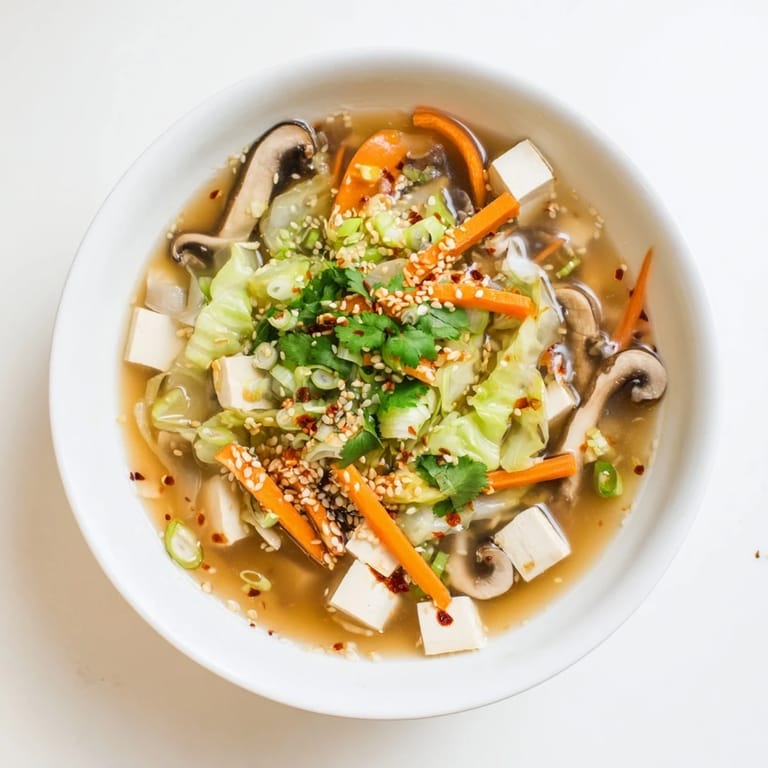 Save to Pinterest
 This recipe got me through a particularly lonely winter when cooking for one felt pointless. Now I make it even when I'm perfectly healthy because something about that first spoonful just resets everything.
Making It Your Own
Once you make this a few times, you'll start having opinions. I like extra ginger, my partner prefers more mushrooms. The beauty is in how flexible it is while still tasting deliberate and thought-through.
Perfecting The Broth
Half water, half broth is my sweet spot. All broth can be overwhelming, all water might feel too light. Find your ratio and stick with it.
Timing Is Everything
Getting all your vegetables prepped before you start cooking matters here. Everything moves fast once that broth is simmering, and having everything ready means you can focus on timing rather than chopping.
- Set a timer for that 10-minute ginger infusion.
- Taste the broth before adding miso to gauge saltiness.
- Have your garnishes ready before you ladle the soup.
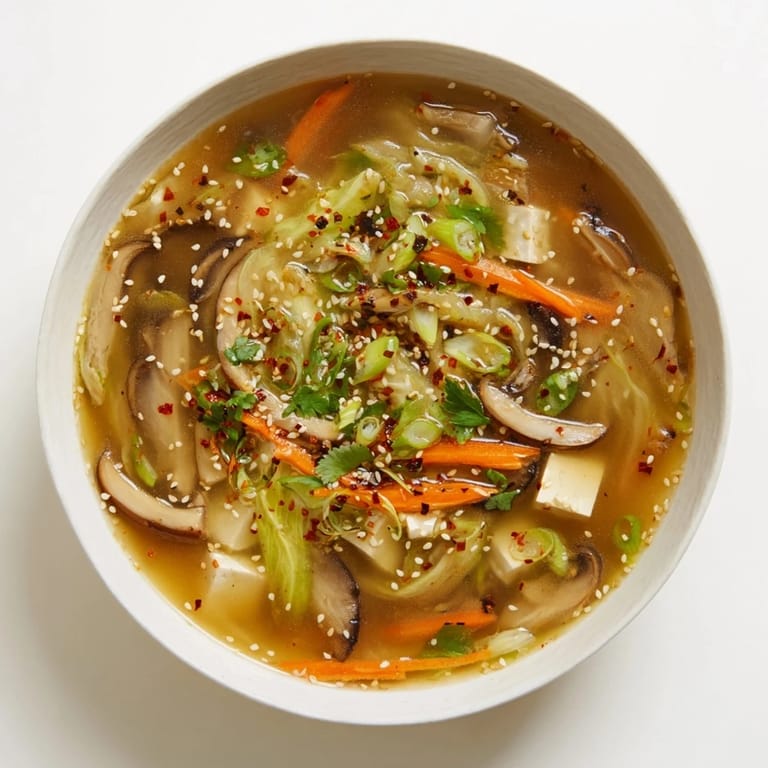 Save to Pinterest
 There's something deeply restorative about a soup that warms you from the inside out. Make this on your next gray winter day and watch how it changes everything.
Recipe Questions
- → How long does ginger miso soup keep in the refrigerator?
This soup stores well for 3-4 days when kept in an airtight container. However, the vegetables may soften over time. For best results, store the broth and vegetables separately, then reheat and combine when ready to serve. Avoid boiling when reheating to preserve the miso's beneficial probiotics.
- → Can I freeze this winter soup?
While you can freeze the broth, freezing may alter the texture of vegetables like napa cabbage and mushrooms. For best quality, freeze the ginger-infused broth without vegetables or miso, then add fresh vegetables and miso when reheating. Consume frozen portions within 2-3 months for optimal flavor.
- → What type of miso works best for this soup?
White or yellow miso paste provides a mellow, slightly sweet flavor that complements the ginger beautifully. Red miso offers a stronger, more intense taste if you prefer a bolder broth. Always add miso off the heat to preserve its beneficial enzymes and probiotic properties.
- → How can I make this soup gluten-free?
Use certified gluten-free miso paste, as some traditional varieties contain barley or wheat. Choose rice noodles instead of soba, which typically contains wheat. Tamari can replace soy sauce for garnish. Always check labels to ensure all ingredients meet your dietary needs.
- → What vegetables can I add for more variety?
Bok choy, spinach, daikon radish, or kale make excellent additions. Consider adding thinly sliced winter squash or sweet potatoes for extra sweetness. Enoki mushrooms work well as a shiitake alternative, while bean sprouts add pleasant crunch. Add heartier vegetables earlier in cooking so they tenderize properly.
- → Is this soup suitable for meal prep?
This soup is excellent for meal prep. Prepare the ginger-infused broth and vegetables in advance, but add miso just before serving for maximum probiotic benefit. The flavors develop beautifully overnight, making it even more delicious the next day. Store components separately and combine when ready to eat.