 Save to Pinterest
 I'll never forget the first time I created a football field snack board for game day. My friends were skeptical when I mentioned turning appetizers into a stadium scene, but the moment that guacamole-green field appeared on the table, surrounded by crispy chips and vibrant vegetables like players ready for action, their faces lit up. That's when I realized that food arranged with intention becomes more than just snacks—it becomes an experience, a conversation starter, a way of saying "I made this day special for us."
I remember my cousin asking why I was spending so much time arranging carrots in a specific pattern. By halftime, those same carrots were gone, and she admitted the presentation made people actually want to eat vegetables. That's the real magic of this board—it transforms snacking into something celebratory and intentional.
Ingredients
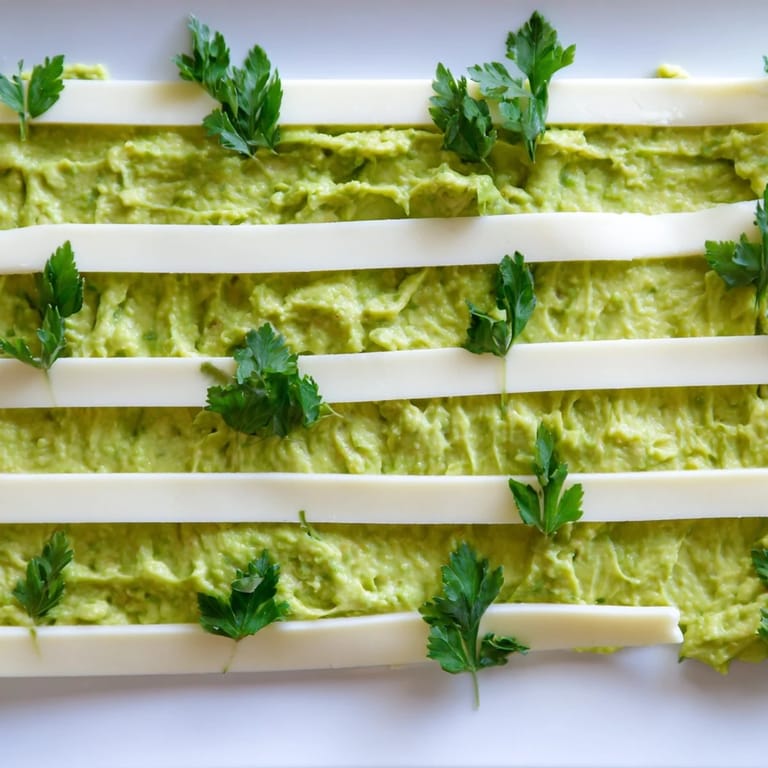
- Guacamole or spinach hummus: The foundation of your field. I learned the hard way that guacamole's richness makes it ideal—it spreads beautifully and doesn't dry out quickly. If using hummus instead, you get a lighter, more herbaceous base that works equally well
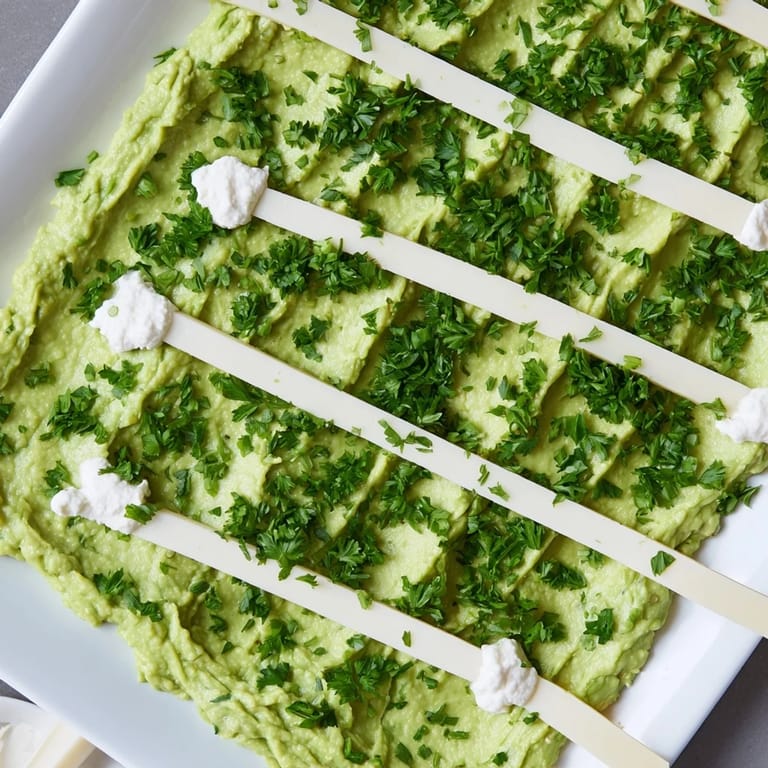
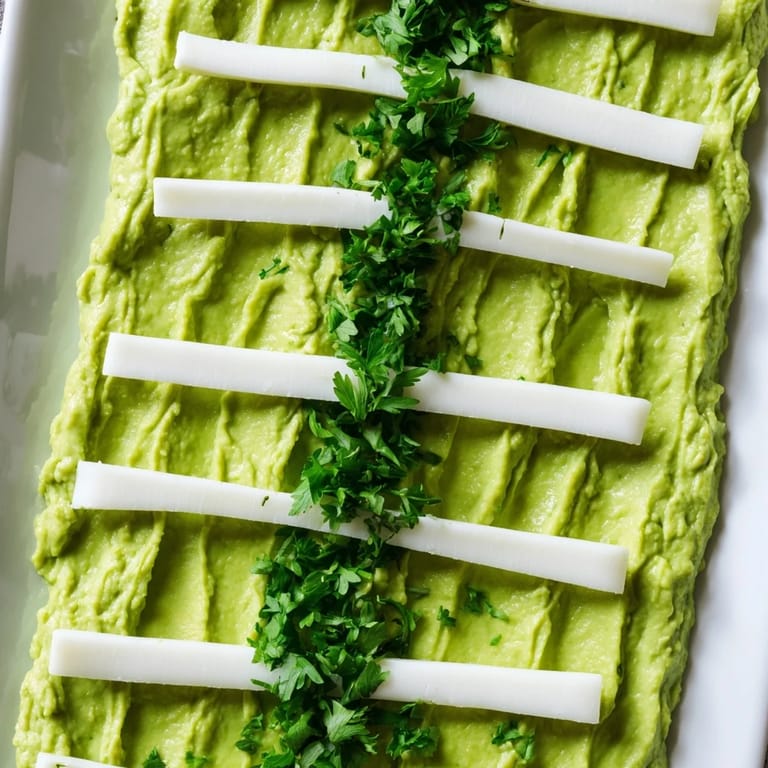
- Fresh parsley or cilantro: This isn't just garnish. It's your turf. The fresh herb finish gives the board authentic texture and a whisper of freshness
- Mozzarella string cheese or white cheddar strips: Your yard lines. String cheese works because it naturally pulls into thin, neat strips. Cheddar offers richer flavor. Both create those iconic yard markings
- Sour cream: The painter's secret. Pipe it for precision lines that look stadium-professional, or skip it and use cheese alone
- Salsa and hummus or black bean dip: The end zones deserve contrasting flavors. I always use both for visual interest—red and cream against green
- Tortilla chips, pretzels, baby carrots, celery, bell peppers, cherry tomatoes, olives, and pickles: Your defensive line. Mix textures and colors deliberately. The chips anchor the snacks, while vegetables add health-conscious crunch
- Chives and shredded cheddar: Final decorative touches that add color pop and flavor surprise
Tired of Takeout? 🥡
Get 10 meals you can make faster than delivery arrives. Seriously.
One email. No spam. Unsubscribe anytime.
Instructions
- Build Your Field:
- Take your guacamole or hummus and spread it evenly across the center of your large rectangular board, creating a rectangle that leaves about 2 inches on all sides. Use a spatula and take a moment to smooth it—you're creating the foundation, so make it feel intentional. Imagine you're the groundskeeper preparing the stadium.
- Add the Turf:
- Sprinkle that fresh parsley or cilantro generously over your green base. This is where the magic happens. The brightness makes your field look alive and freshly maintained. Don't be shy—cover the surface enough that green shows through when people dip.
- Mark the Yard Lines:
- Now comes the fun part. Take your string cheese strips or thin cheddar slices and lay them horizontally across the field, spacing them about 1.5 to 2 inches apart. If you want laser-straight lines, fill a small piping bag with sour cream, snip the corner, and pipe lines instead. Either way feels like you're conducting an edible game.
- Create the End Zones:
- At one short end of your board, spread your salsa with the same careful smoothing motion. At the opposite end, spread your hummus or black bean dip. These contrasting colors are your scoreboard—one red, one cream—visible across the whole display.
- Arrange Your Players:
- Now position your snacks. Arrange tortilla chips in clusters, line up carrot and celery sticks like players in formation, scatter olives and cherry tomatoes, tuck pretzels into gaps. Think of this as orchestrating the game itself. Rows create rhythm. Clusters create interest. There's no wrong way, only your way.
- Final Touches:
- Sprinkle chives across the field, add shredded cheddar for color contrast, and step back. You've created something that looks like an actual game day happened on this board.
- Serve with Intention:
- Bring it to the table moments before people arrive if possible. Set down small plates and napkins nearby. Watch how people smile when they see it.
 Save to Pinterest
 The most memorable moment came when a friend's five-year-old asked if the board was "edible art." She spent 20 minutes carefully selecting each vegetable piece, and her mom told me later it was the first time she'd willingly eaten celery without complaint. That's when I understood: this board isn't really about snacking. It's about making people feel cared for.
Customization That Wins Every Game
The beauty of this board lies in its flexibility. I've created versions for different crowds: swapping hummus for black bean dip when I knew someone preferred it, adding mini cheese cubes and prosciutto slices when meat-eaters were attending, using roasted chickpeas instead of pretzels for extra crunch. The structure stays the same, but the players change. This is your field, and you get to decide who plays on it.
The Story Behind Game Day Snacking
Game day boards are more than a trend—they're a philosophy about hospitality. Instead of passing around individual dishes, you're inviting people to participate in creating their own snacking experience. It's interactive without feeling formal, celebratory without being complicated. I've found that when people can build their own plate from a board like this, they actually eat more vegetables and less of the heavy stuff, which always felt like a small victory on game days when everyone's eating their feelings.
Scaling This Board Beyond Game Day
Once you master the football field, you realize you can transform any board into any shape or theme. I've made hockey rinks with white bases, baseball diamonds with dirt-colored dips, and simple rectangular boards for movie nights that nobody expected to make them smile. The principles stay constant: think about colors as intentional choices, arrange snacks with purpose, and remember that you're not just feeding people—you're creating a memory they'll talk about later. Here are the real secrets that make any board successful.
- Odd numbers are your friend—three types of cheese, five vegetable varieties, an odd number of dips—they create visual balance without looking staged
- Let natural gaps exist. Don't overcrowd. A well-designed board breathes, and people appreciate the space to navigate it comfortably
- Always include at least one surprise element—maybe candied nuts, maybe marinated vegetables, something that makes someone say "oh, what is this?"
 Save to Pinterest
 Every time I make this board, I think about how food is really just an excuse to gather. This football field, with its bright green turf and crispy defenders, is simply your invitation to your favorite people to come closer, eat together, and belong. That's the real game being played here.
Recipe Questions
- → How do I create the football field effect?
Spread a smooth layer of guacamole or spinach hummus evenly on a large board to form the green turf, then use thin strips of mozzarella or white cheddar for yard lines.
- → What can be used for the end zones?
Salsa and hummus or black bean dip make colorful and flavorful end zones at each end of the board.
- → What snacks are ideal for dippers?
Tortilla chips, mini pretzels, baby carrots, celery sticks, bell peppers, cherry tomatoes, olives, and pickles work well as dippers around the field.
- → Can this board accommodate dietary preferences?
Yes, swap dairy cheese for plant-based alternatives and choose dips accordingly to create vegan-friendly versions.
- → How should the snack board be assembled and served?
Arrange ingredients shortly before serving to maintain freshness and vibrant colors; use a large rectangular board for optimal presentation.
- → Are there any allergen considerations?
Contains dairy and gluten from certain chips and pretzels, so check labels carefully for guests with allergies.