 Save to Pinterest
 When the soft tang of lemon began to swirl through my kitchen that sunny afternoon, I wasn't entirely sure if I was more excited for the cake or the chance to play with those delicate edible flowers I'd found at the Saturday market. There was something undeniably joyful about zesting bright lemons, the scent so vibrant it woke me up better than my third cup of coffee. As the batter came together, a breeze floated in, carrying laughter from the backyard and making the moment feel even lighter. I remember pausing just to appreciate the simple luxury of baking something beautiful for a gathering where everyone already seemed to be smiling. Lemon and celebration belong together, I've decided—it’s practically science.
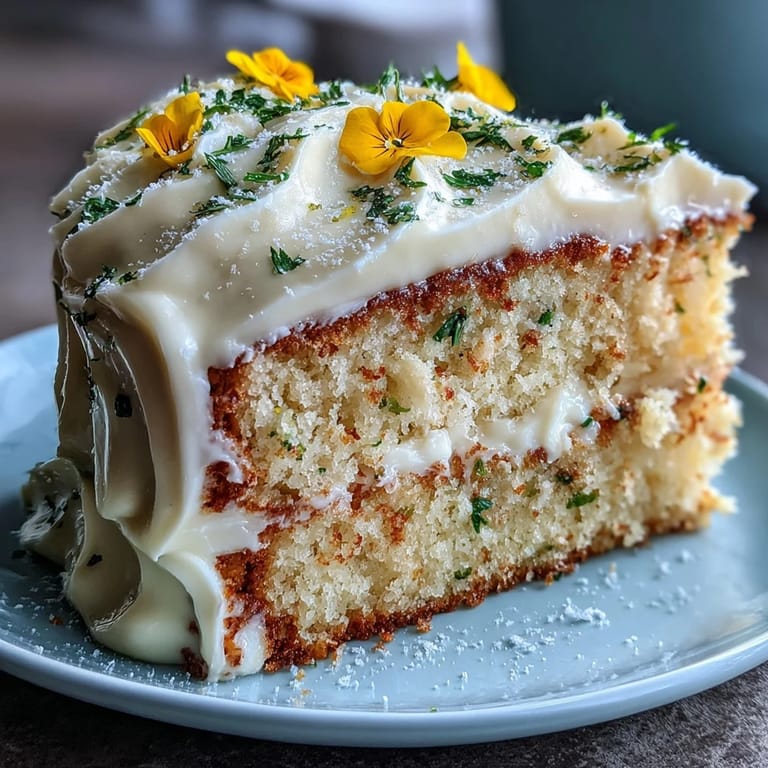
The first time I brought this cake out for a baby shower, someone teased that it looked too pretty to slice—and then promptly asked for seconds before the knife was wiped clean. We all lingered around the table a bit longer than planned, crumbs and petals scattered across plates, joking about naming the baby after a flower or a citrus fruit. It felt like the perfect centerpiece for people who’d rather gather in the kitchen than anywhere else. Honestly, I can still hear the ripple of surprise when the first slice tipped over to reveal that golden, sunbeam interior. Cakes that spark conversation are always the best kind.
Ingredients
- All-purpose flour: This is the secret to a sturdy crumb that still feels soft; always spoon and level for accuracy.
- Baking powder & baking soda: I learned the hard way to measure these with a light hand—too much can make your cake balloon and fall.
- Salt: Just a pinch sharpens the lemon and keeps the sweetness in check.
- Unsalted butter: Room temperature butter is key for maximum lift; I leave mine out just until a fingerprint holds.
- Granulated sugar: Creaming this thoroughly with the butter is what creates those tiny, glorious air pockets.
- Large eggs: Room temp eggs mix in better, avoiding a curdled look to your batter.
- Lemon zest & juice: The zest carries so much of the magic—never skip it. Fresh-squeezed juice brightens up every bite.
- Vanilla extract: Adds warmth behind the scenes—try pure extract for best flavor.
- Buttermilk: This keeps the cake tender and moist; if you’re ever out, stir a splash of lemon juice into milk as a quick fix.
- Cream cheese (for frosting): Softened cream cheese yields the dreamiest, tangiest frosting—don’t shortcut the softening step.
- Powdered sugar: Sifting prevents lumpy frosting, and after one batch without it, I never skip again.
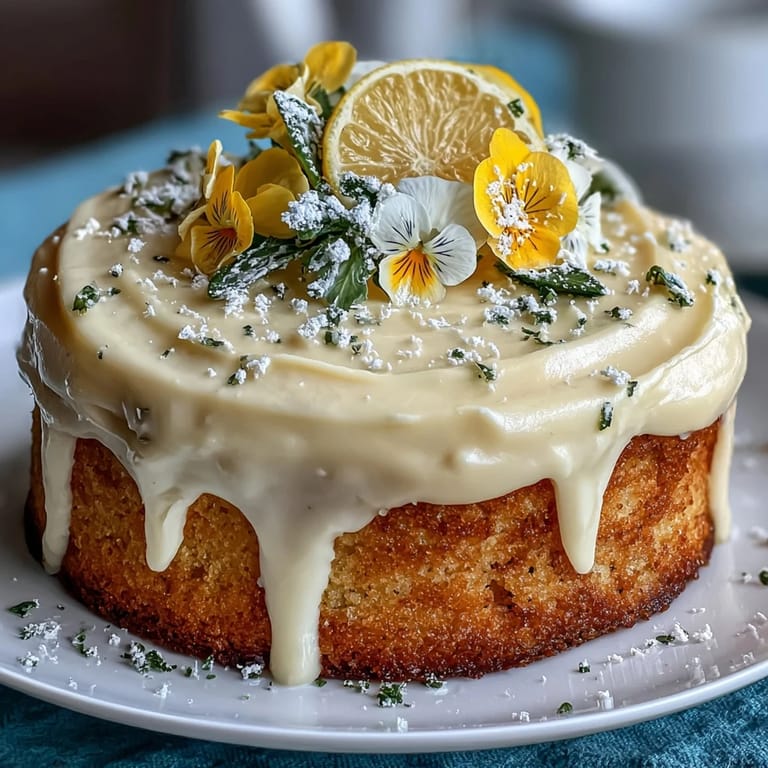
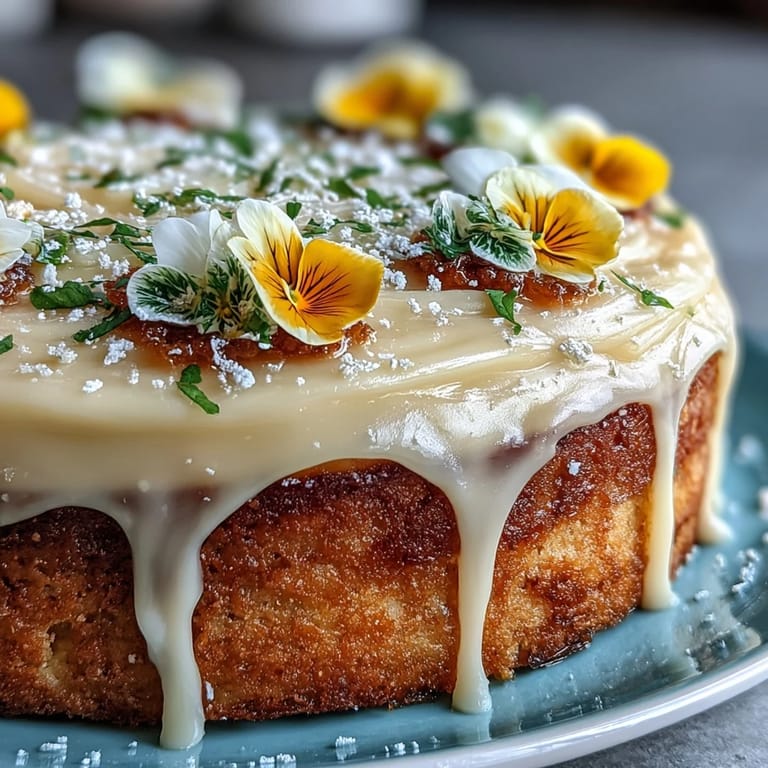
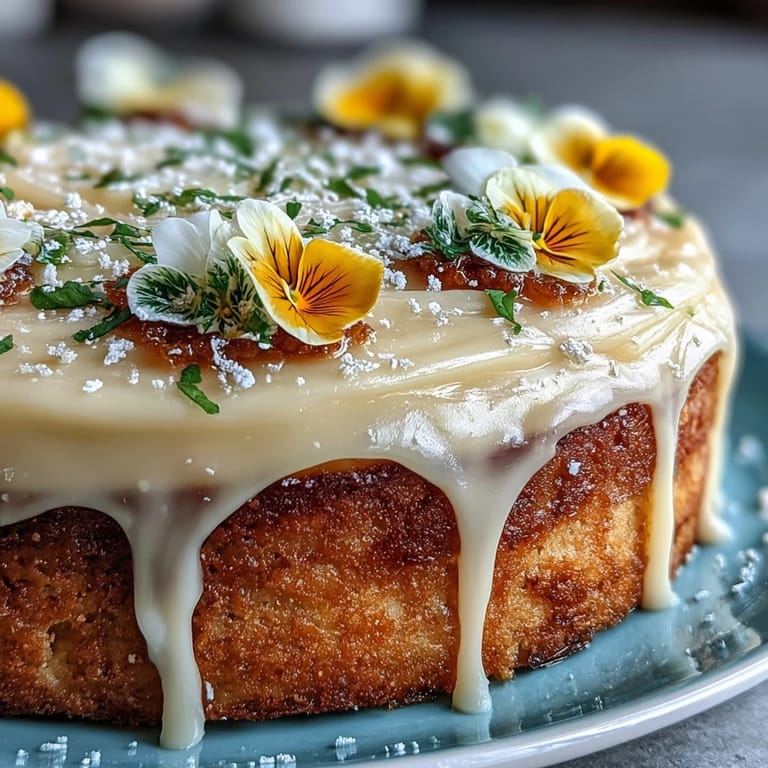
- Edible flowers: These are the crowning glory—only use edible, pesticide-free blooms and pat them thoroughly dry before decorating.
Tired of Takeout? 🥡
Get 10 meals you can make faster than delivery arrives. Seriously.
One email. No spam. Unsubscribe anytime.
Instructions
- Prep the Cake Pans:
- First, grease your two 8-inch pans and line them with parchment to guarantee an easy release; this always feels like a little act of future kindness.
- Mix Dry Ingredients:
- In a medium bowl, whisk together flour, baking powder, baking soda, and salt until everything looks evenly speckled and soft.
- Cream Butter & Sugar:
- With your mixer on medium, beat butter and sugar together until pale and billowy; the sound is like muffled snow.
- Add Eggs and Flavors:
- Beat in the eggs one at a time, blending each fully, then mix in lemon zest, juice, and vanilla—pause to breathe in the citrus aroma here.
- Combine Mixtures:
- Add the dry ingredients in thirds, alternating with buttermilk, mixing gently just until the streaks disappear—overmixing is the enemy of tenderness.
- Bake:
- Spread the batter evenly into your pans and smooth the tops with a spatula; bake for 28–32 minutes, or until a toothpick comes out clean and the tops are golden.
- Cool the Cakes:
- Let cakes cool in their pans for 10 minutes, then turn out onto a wire rack and let patience have its moment while they cool completely.
- Make the Frosting:
- Beat cream cheese and butter together till silky, then slowly add sifted powdered sugar; finish with lemon zest, juice, and vanilla, and keep going until it’s irresistibly fluffy.
- Assemble:
- Place the first cake layer on a platter and cover with frosting, then gently set the second layer on top and sweep frosting over the sides until it feels festive enough for a party.
- Decorate:
- Scatter the edible flowers just before serving—the effect is instant celebration, no matter the occasion.
 Save to Pinterest
  Save to Pinterest
 It was during cleanup, fingers sticky with frosting and crumbs, that I realized this lemon cake had become a cheerful memory of its own—not just a dessert, but the backdrop to new stories with old friends. Now, I always look forward to the moment when the whole table leans in for a closer look at the flowers atop the cake, their anticipation just as sweet as the first bite.
Choosing and Using Edible Flowers
Edible flowers lend fragrance and color you simply can’t fake—although early on, I learned not all flowers are created equal or even safe to eat. Look for pansies, violets, and marigolds from a trusted market or specialty grocery, and steer clear of anything out of the yard unless you know its source. I always inspect the petals, gently rinse, and dry them on paper towels ahead of time, giving them a few hours to air out so they look their brightest. If storing overnight, layer between damp paper towels in an airtight container in the fridge. Last-minute scattering right before serving keeps everything crisp and vibrant.
Making Ahead Without Stress
There’s something magical about making cake layers the night before—my kitchen feels serene with the scent of lemon clinging to the air, and assembling everything the next day is quick and relaxed. A quick wrap in plastic keeps the cake moist and ready for its close-up, and I frost straight from room temperature for the easiest glide. I’ve also found assembling and refrigerating the frosted cake (unadorned) the morning of works beautifully, leaving just the fun of flower arranging before guests arrive. It’s become my go-to for busy hosting days. Knowing the base is solid means you can focus on the parts that spark joy—the décor.
Troubleshooting Tender Cakes
More than once I’ve learned that overmixing is the sneaky culprit behind a tough or dense cake, so now I blend by hand for the last few stirs and stop as soon as the batter comes together. Be generous with lemon zest but measure your flour with care—too much and you lose that delightful, airy crumb. Trust the timer, but check the cakes early the first time you try it in your oven; a few minutes too long and you miss out on true, moist softness.
- Press gently on the cake centers, and they should spring back—then you know they’re done.
- Keep frosting ingredients at similar temps for that spreadable magic.
- Assemble and decorate when you’re calm, not rushed—it shows in every slice.
 Save to Pinterest
  Save to Pinterest
 Here’s to bright, zesty cake and celebrations that bring everyone a little closer. I hope your kitchen fills with as many smiles as lemons next time you bake this.
Recipe Questions
- → How do I keep the cake moist?
Measure ingredients accurately, avoid overmixing the batter, and bake until a toothpick comes out clean. Buttermilk adds tenderness and moisture—do not overbake to maintain a soft crumb.
- → Can I substitute buttermilk?
Yes. Stir 1 tablespoon of lemon juice or vinegar into 1 cup of milk and let sit 5–10 minutes before using. The acidity helps the cake rise and keeps the crumb tender.
- → How do I get a smooth lemon cream cheese frosting?
Bring cream cheese and butter to room temperature, beat until smooth, then gradually add sifted powdered sugar. Finish with lemon zest and juice; avoid overbeating to keep the frosting silky.
- → Are edible flowers safe to use on top?
Use only edible, unsprayed flowers from a reputable source. Wash and dry them thoroughly and add them to the cake just before serving to preserve color and freshness.
- → Can I make the layers in advance?
Yes—bake layers a day ahead, cool completely, wrap in plastic, and store at room temperature. Assemble and frost on the day of serving for best texture and appearance.
- → Tips for even cake layers?
Weigh or divide batter evenly between pans, smooth tops with a spatula, and tap pans on the counter to release air pockets. Level with a serrated knife if needed after cooling.