 Save to Pinterest
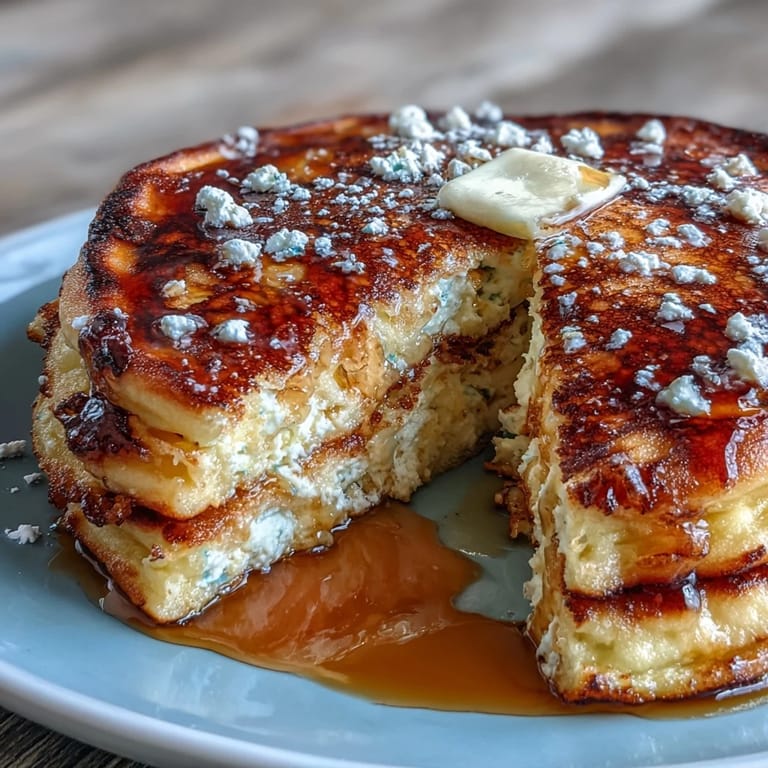
 The first time I made these lemon ricotta pancakes, the kitchen filled with an unbelievable brightness thanks to fresh lemon zest. That sharp citrus aroma combined with the creamy, almost sweet scent of ricotta instantly made me pause and appreciate the moment. I was trying to replicate a particularly plush pancake I'd had at a roadside café, where the edges were crisp and the middles pillowy soft. My dog watched suspiciously, convinced the ricotta was for him. By the time the thick batter hit the pan and sizzled, I knew this recipe was staying in my weekend repertoire.
One Sunday, I cooked these pancakes for my partner after an especially chaotic week, expecting them to be just another breakfast. Somehow, as we took forks to fluff and steam rose from the stack, the mood lightened and the conversation wandered from errands to wild travel ideas. That morning, the lemon scent and accidental splatters of powdered sugar felt like a mini celebration. We laughed about my first too-big pancake flopping messily on the griddle. Memories like that are why these pancakes keep making special appearances.
Ingredients
- All-purpose flour: Using classic white flour keeps the pancakes tender but strong enough to flip—they’ll puff better if you gently scoop and level the cup.
- Granulated sugar: Just a couple tablespoons bring out the lemon’s bright notes without making the pancakes overtly sweet.
- Baking powder and baking soda: This duo ensures a sky-high rise and signature fluffiness—make sure both are fresh for best results.
- Salt: A pinch brings all the flavors into focus; don’t skip it.
- Whole milk ricotta cheese: Ricotta adds luxurious richness and helps keep the pancakes impossibly moist—I always drain it if it’s particularly watery.
- Eggs, separated: Beating the whites and folding them in makes the batter airy—don’t rush this part or you’ll lose all that lovely lift.
- Milk: Standard milk thins the batter just enough; I use whatever is in the fridge, but whole milk makes these especially decadent.
- Unsalted butter, melted: Butter adds flavor and buttery edges—cool it slightly so it doesn’t scramble the eggs.
- Lemon zest: Zesting two lemons gives an unmistakable bright aroma—always zest before juicing.
- Freshly squeezed lemon juice: A splash of lemon juice sharpens the flavor and plays beautifully with the ricotta.
- Vanilla extract: Just a hint brings depth and warmth to every bite.
- Unsalted butter or neutral oil for cooking: Grease the pan lightly for golden edges and easy flipping—wipe with a paper towel if needed.
- Fresh berries, maple syrup or honey, and powdered sugar (for serving): Toppings are optional, but they make things festive—sometimes, I scatter warm blueberries right on the pancakes as they cook.
Tired of Takeout? 🥡
Get 10 meals you can make faster than delivery arrives. Seriously.
One email. No spam. Unsubscribe anytime.
Instructions
- Gather and measure:
- Set out all your ingredients—this helps the flow, and keeps you from forgetting a crucial spoonful of baking powder.
- Mix the dry ingredients:
- Whisk together the flour, sugar, baking powder, baking soda, and salt in a medium bowl—the little clouds of flour promise good things to come.
- Blend the ricotta mixture:
- In a large bowl, mix ricotta, egg yolks, milk, melted butter, lemon zest, lemon juice, and vanilla until creamy—don’t be shy with the zest, the fragrance is the real star.
- Combine the batter:
- Gently fold the dry ingredients into the wet mixture; streaks of flour are fine—overmixing will squash that precious fluffiness.
- Whip the egg whites:
- Beat the egg whites in a clean bowl until they hold soft peaks—the sound of the whisk scraping is your signal to check for lift.
- Fold and finish:
- Lightly fold the whites into the batter in two additions; aim to keep as much air as possible, don’t worry if the batter looks a bit uneven.
- Heat and grease the skillet:
- Warm a nonstick skillet or griddle over medium heat, then swipe with butter or oil for each batch—you’ll know it’s ready when a droplet of water sizzles instantly.
- Pour and cook:
- Ladle about 1/4 cup batter per pancake and let them cook for 2–3 minutes—the edges will start to set and tiny bubbles will dance on the surface.
- Flip and finish:
- Flip gently, cook another minute or so until golden—resist the urge to press them down so they stay lofty.
- Serve warm:
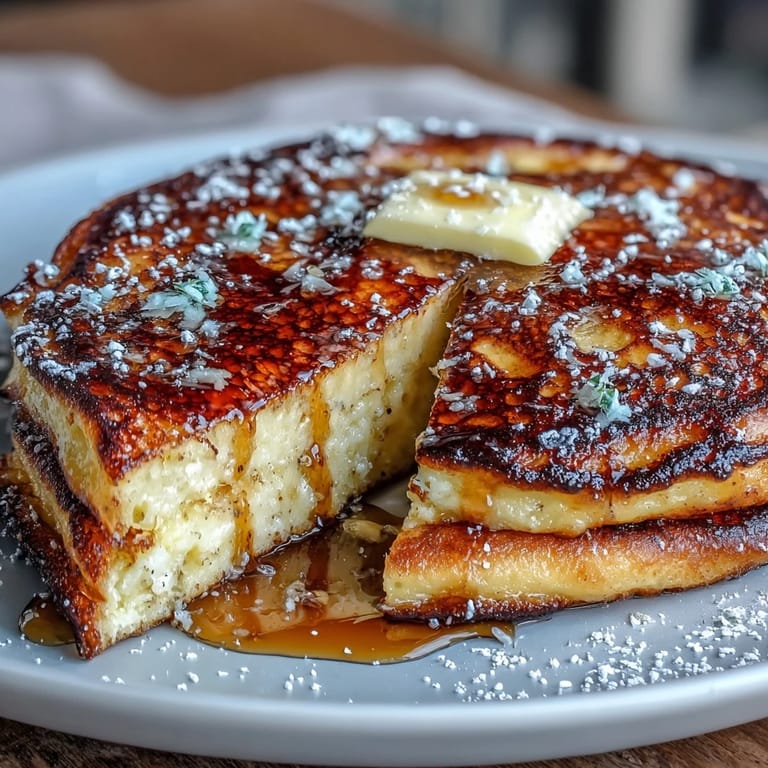
- Stack on a warm plate and keep pancakes cozy with a towel or low oven while you finish the rest—serve with berries, a sweep of syrup, and a snow of powdered sugar.
 Save to Pinterest
 One spring day, my youngest niece declared these pancakes "better than cake" with both cheeks stuffed and lemon-scented sugar dusting her pajamas. It was a gentle reminder that sharing food has a magic all its own, especially when powdered sugar ends up everywhere.
How to Make Pancakes Extra Fluffy
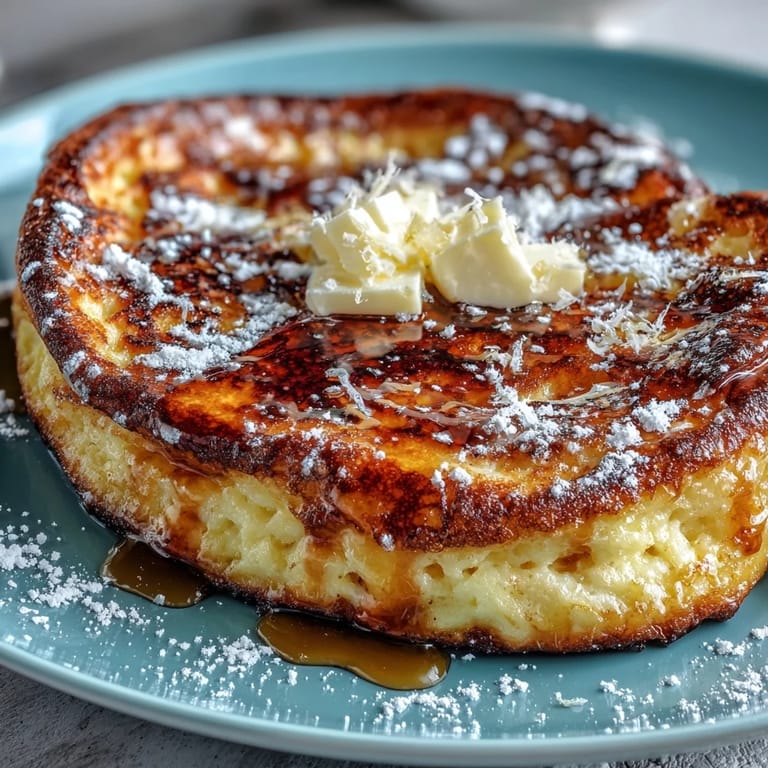
In my experience, nothing beats the trick of folding in beaten egg whites for puffiness you can see right in the pan. Letting the batter rest even five minutes before scooping gives those rising agents a head start, and ensures a cloudlike texture every time. Ricotta’s smoothness also helps trap air—don’t skip draining it if it’s watery, or those bubbles will be weighed down. Sometimes, I find that a gentle hand with the spatula really keeps the final pancakes tall. These steps together give you pancakes that are a small stack of joy.
Tips for Zesting and Juicing Lemons
Whenever I zest lemons, I drag out my favorite microplane and catch that first hit of scent—nothing else brightens batter quite like it. Always zest before you juice (you can’t go backward) and avoid the bitter white pith. Roll your lemons on the counter before cutting to get every drop out, and strain seeds out with your fingers or a small sieve. Fresh juice will always beat bottled, and I promise it’s worth the extra squeeze. These little tweaks help the flavor sing in every bite.
Making It Your Own: Variations and Swaps
There have been mornings when I swapped in gluten-free flour and the pancakes barely changed—just make sure your blend has xanthan gum. For a tangier touch, I’ve replaced half the ricotta with Greek yogurt, and it works surprisingly well. Blueberry compote, lemon curd, or just a handful of chopped strawberries all make delicious toppers.
- Add a handful of poppy seeds to the batter for a bakery-style twist.
- If you want extra decadence, top with a dollop of sweetened whipped cream.
- Don’t forget to keep pancakes warm on a low oven so nobody has to eat cold ones.
 Save to Pinterest
 I love how this recipe turns a simple morning into something celebratory, lemony, and irresistible. Here’s to making every breakfast feel a little special, one fluffy forkful at a time.
Recipe Questions
- → How do I keep the pancakes extra fluffy?
Whip the egg whites to soft peaks and fold them in gently to retain air. Avoid overmixing the batter—streaks of flour are fine. Use a medium-low heat so the center cooks through without overbrowning.
- → Why use ricotta instead of just milk or yogurt?
Ricotta adds creaminess and moisture while contributing a tender crumb. Its higher fat and protein help keep pancakes rich without becoming dense, giving a light but substantial texture.
- → Can I use part-skim ricotta or a substitute?
Part-skim ricotta works and reduces richness slightly; whole-milk ricotta yields a silkier result. For dairy-free versions, try a thick plant-based ricotta alternative, but texture and flavor will differ.
- → Is it okay to prepare the batter ahead of time?
Prepare the dry mix and the ricotta-yolk mixture ahead, but beat and fold in the egg whites just before cooking. The whipped whites lose volume over time, so for best lift cook soon after assembling.
- → How can I make these gluten-free?
Swap the all-purpose flour for a 1:1 gluten-free all-purpose blend that contains xanthan gum. You may need a touch more liquid—adjust milk slightly to reach a scoopable batter consistency.
- → What are good topping and serving ideas?
Serve warm with fresh berries, a drizzle of maple syrup or honey, lemon curd for extra citrus punch, and a light dusting of powdered sugar. A pat of butter or dollop of mascarpone also complements the ricotta base.