 Save to Pinterest
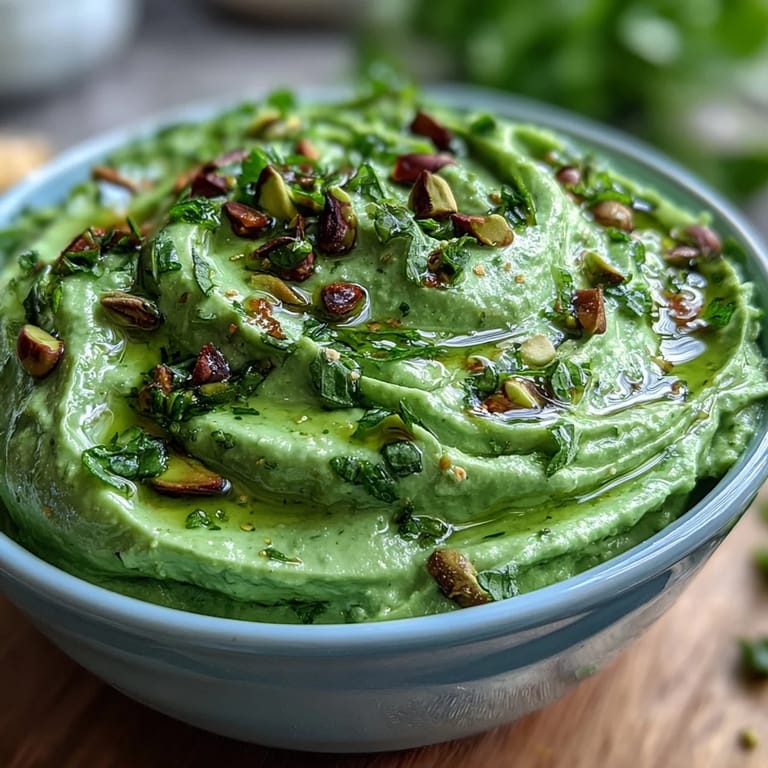
 My neighbor knocked on my door one summer afternoon holding a massive bunch of fresh basil from her garden, practically begging me to take it before it bolted completely. I had pistachios left over from snacking, and instead of making the traditional pine nut version, I threw them into the food processor on instinct. The result was so creamy and unexpectedly rich that I've never gone back to the original.
The first time I made this for guests, I'd forgotten to taste it before serving, and watching everyone's faces light up at that first forkful told me everything I needed to know. Someone asked for the recipe before they'd even finished their pasta, and I realized I'd accidentally created something people would actually want to make again.
Ingredients
- Shelled unsalted pistachios (1 cup, 130 g): These are the star, so buy them from somewhere with good turnover to ensure they're still vibrant and haven't gone rancid in storage.
- Fresh basil leaves, packed (2 cups, 50 g): Pick them just before you start cooking if possible—the fresher they are, the greener and more alive your finished pesto will taste.
- Garlic cloves (2, peeled): Two cloves gives you enough flavor without overpowering the delicate pistachio taste, but taste as you go if garlic is your thing.
- Grated Parmesan cheese (1/3 cup, 30 g): Real Parmigiano-Reggiano makes a noticeable difference, but even decent block Parmesan beats pre-grated every time.
- Extra-virgin olive oil (1/2 cup, 120 ml): The quality here matters since it's not being cooked—use something you'd actually taste in a salad dressing.
- Kosher salt (1/2 teaspoon): This seasons everything evenly without the bitter metallic taste you sometimes get from table salt.
- Freshly ground black pepper (1/4 teaspoon): Grind it right before you use it so you capture that sharp, peppery aroma.
- Fresh lemon juice (1 tablespoon, optional): A squeeze at the end brightens everything up and keeps the pesto from tasting heavy or one-note.
Tired of Takeout? 🥡
Get 10 meals you can make faster than delivery arrives. Seriously.
One email. No spam. Unsubscribe anytime.
Instructions
- Toast and pulse your pistachios:
- Add the pistachios, basil, and garlic to your food processor and pulse—don't blend—until everything is finely chopped but still has a little texture. This usually takes about 10 to 15 pulses, and you'll start to smell that gorgeous nutty aroma fill your kitchen.
- Bring in the cheese and seasonings:
- Scatter the Parmesan, salt, and pepper over the top and pulse a few more times until everything is mixed through. You're looking for even distribution, not a completely homogenous paste yet.
- Stream in the olive oil slowly:
- Turn the processor on and drizzle the olive oil in slowly—this emulsifies everything into that creamy, spreadable texture you're after. If you dump it all in at once, you risk ending up with separated, greasy pesto instead.
- Taste and adjust with lemon:
- Give it a quick taste before you finish, then pulse in the lemon juice if you're using it. A tablespoon of juice lifts everything and adds brightness without making it taste citrusy.
- Use or store:
- Serve it immediately while it's still vibrant, or press plastic wrap directly onto the surface and refrigerate for up to five days. The color will deepen slightly, but the flavor stays excellent.
 Save to Pinterest
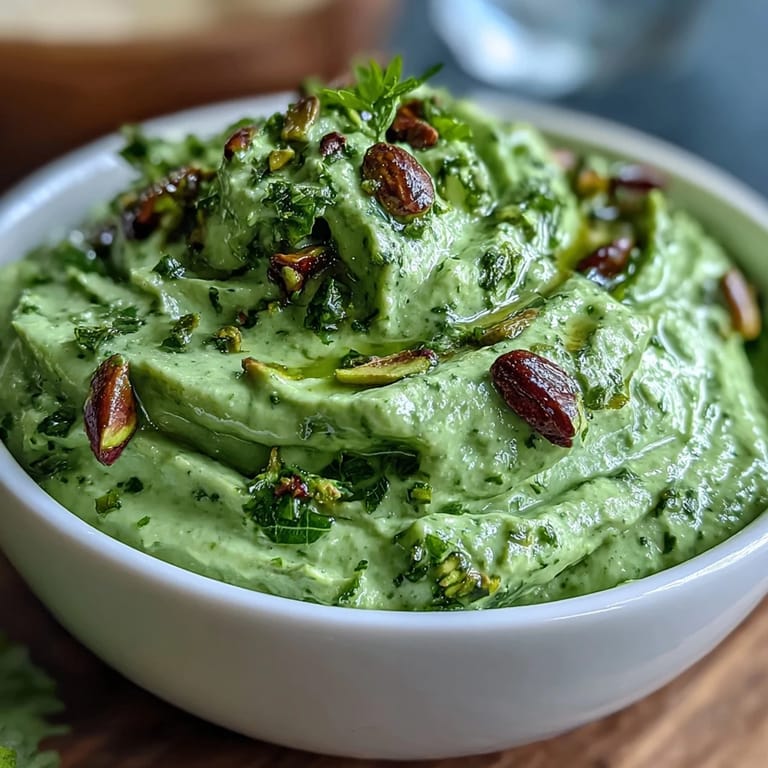
 There's something about serving homemade pesto that makes people feel seen—like you took extra time just for them. I started making double batches and gifting jars to friends, and somehow it became the thing they'd ask for before they'd ask how I'd been.
How to Use Your Pistachio Pesto
This pesto is genuinely versatile in a way that makes it dangerous to have in your fridge because you'll keep finding new things to do with it. I've stirred it into scrambled eggs, spread it under the skin of chicken before roasting, mixed it into cream cheese for a dip, and even drizzled it over tomato soup. The nutty depth works everywhere basil normally shows up, and honestly in places where it doesn't too.
Storage and Make-Ahead Tricks
If you want to keep this longer than five days, freeze it in ice cube trays so you have perfect portions ready to go. I've had frozen cubes last three months and taste nearly identical to fresh, which is a lifesaver when you suddenly want pesto in February.
Variations That Actually Work
Once you've made this basic version a few times, start playing with it—that's where the fun happens. Try swapping in walnuts or toasted almonds if you're out of pistachios, or use mint and parsley alongside the basil for a different flavor profile.
- For a vegan version, substitute the Parmesan with nutritional yeast and taste as you add it since the flavor is sharper.
- Make it dairy-free by using a good quality vegan Parmesan alternative or just leaving the cheese out entirely.
- If you want a thinner consistency for pasta, add a tablespoon or two of the pasta cooking water instead of more oil.
 Save to Pinterest
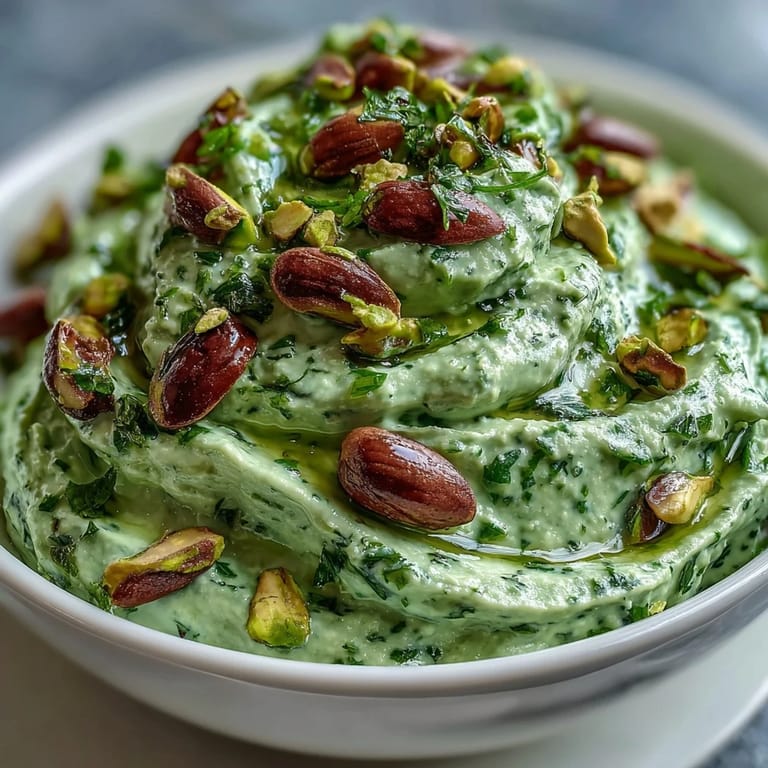
 This pesto proves that sometimes the best kitchen discoveries come from working with what you have rather than following a rulebook. Make it, taste it, and then make it again because once people know you can make this, they'll never stop asking.
Recipe Questions
- → Can I make the pesto vegan?
Yes, substitute Parmesan cheese with nutritional yeast or vegan cheese alternatives to keep the nutty flavor while avoiding dairy.
- → How can I adjust the pesto's consistency?
For a thinner sauce, add a tablespoon of pasta cooking water gradually during blending until the desired texture is reached.
- → What dishes pair well with pistachio pesto?
It complements pasta, crostini, roasted or grilled vegetables, and can be used as a flavorful spread for sandwiches.
- → Are there allergen considerations?
This sauce contains nuts and dairy. For allergies, substitute pistachios with pumpkin seeds and use vegan cheese alternatives.
- → How should I store leftover pesto?
Keep it in an airtight container in the refrigerator and consume it within five days for optimal freshness.