 Save to Pinterest
 My neighbor showed up one Sunday with three oranges from her tree and a knowing smile, insisting I needed to do something with them besides juice. That evening, as I rubbed citrus and herbs into a chicken, the aroma that filled my kitchen felt like an invitation to something special. The combination of orange brightness with earthy rosemary seemed oddly natural, like two flavors that had been waiting to meet. By the time golden skin crackled under my knife, I understood what she meant—this wasn't just dinner, it was the kind of meal that makes people linger at the table.
I made this for my sister's book club night, and watching people take that first bite—the way their eyes widened at the combination of citrus and herb—reminded me that sometimes the simplest flavor pairings hit hardest. She asked for the recipe before dessert even came out, which in our family means you've done something right.
Ingredients
- 1 whole chicken (about 1.5 kg / 3.3 lbs), giblets removed: Look for a bird with pale, unblemished skin and a flexible breastbone—signs of a younger, more tender chicken that'll cook evenly.
- 2 oranges (zested and juiced): Use thick-skinned varieties like Valencia or navel; they yield more juice and the zest carries stronger flavor without bitterness.
- 3 tbsp olive oil: Good olive oil emulsifies with citrus juice and creates a marinade that actually clings to skin rather than running off.
- 4 garlic cloves, minced: Mince finely so the pieces distribute throughout the marinade and won't scorch on the chicken skin.
- 2 tbsp fresh rosemary, chopped: Fresh beats dried here—dried rosemary turns brittle and tastes like pine needles if overcooked, while fresh softens into the pan juices.
- 1 tbsp fresh thyme leaves: Strip them from the stems with your fingers; it's faster than chopping and the leaves stay tender during roasting.
- 1 tbsp fresh parsley, chopped: This adds brightness without competing with rosemary and thyme, plus it won't fade under heat like you might expect.
- 1 tsp salt: Salt the marinade generously so it penetrates under the skin where the meat needs seasoning most.
- ½ tsp black pepper: Fresh cracked pepper tastes completely different from pre-ground; trust me on this one.
- 3 medium carrots, peeled and cut into 2-inch pieces: Cut them uniform so they cook at the same rate; larger chunks keep their texture instead of turning mushy.
- 2 parsnips, peeled and cut into 2-inch pieces: Parsnips sweeten as they roast and add unexpected depth compared to using carrots alone.
- 2 medium potatoes, cut into chunks: Red potatoes work best because they won't fall apart like russets, but they still soak up all that rich pan flavor.
- 1 large red onion, cut into wedges: Red onion stays firm during roasting and adds slight sweetness that balances the citrus.
- 1 small sweet potato, peeled and cut into chunks: This is my secret weapon—it caramelizes beautifully and adds color, though you can skip it if your crowd prefers traditional vegetables.
Tired of Takeout? 🥡
Get 10 meals you can make faster than delivery arrives. Seriously.
One email. No spam. Unsubscribe anytime.
Instructions
- Heat your oven and let it come to temperature:
- Set it to 400°F (200°C) and give it a solid 15 minutes to reach full heat; a fully preheated oven means the chicken skin starts crisping immediately. If you put a cold bird into a lukewarm oven, you're asking for pallid, rubbery skin.
- Build the marinade:
- In a small bowl, whisk together the orange zest, juice, olive oil, garlic, rosemary, thyme, parsley, salt, and pepper until it looks like wet herb paste. Taste it—it should make your mouth water with brightness and herbaceous warmth.
- Prepare the chicken for its herbal bath:
- Pat the bird dry inside and out with paper towels; moisture is the enemy of crispy skin. Rub half the marinade all over the exterior, working it under the skin wherever your fingers can reach, then stuff the cavity with orange peels and a few herb sprigs if you want extra steam-infused flavor inside.
- Coat the vegetables in remaining marinade:
- Toss your carrots, parsnips, potatoes, onion, and sweet potato with the leftover marinade in your roasting pan, spreading them into an even layer. This bed of vegetables becomes your chicken's throne and also roasts into gold.
- Position the bird:
- Place the chicken breast-side up on top of the vegetables, making sure it sits mostly stable; if it tips, the vegetables underneath will prop it up.
- Let it roast and baste:
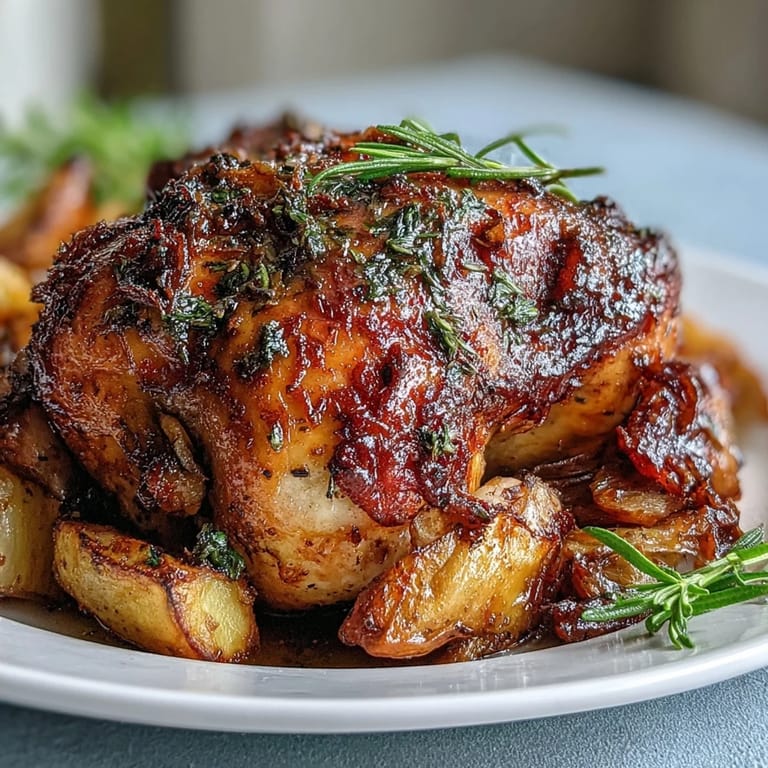
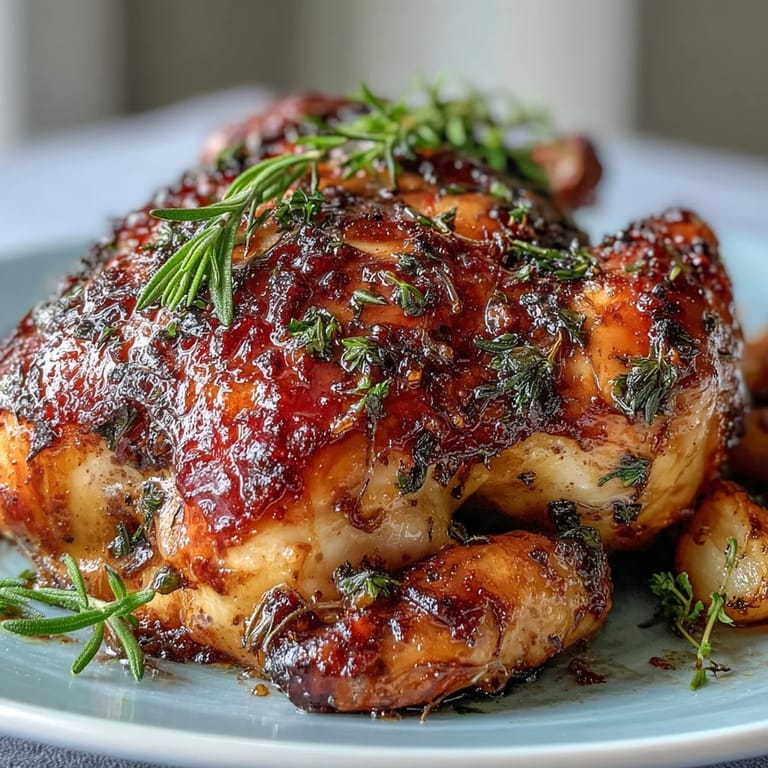
- Slide everything into the oven for 1 hour 20 minutes, basting the chicken with pan juices halfway through—this keeps the skin from drying while the herbs infuse deeper. The finished chicken should have mahogany-golden skin and register 165°F (74°C) in the thickest part of the thigh.
- Rest before carving:
- Tent the pan loosely with foil and let it sit for 10 minutes; this stops carryover cooking and lets juices redistribute so every bite stays tender. Those 10 minutes feel long but they're non-negotiable.
- Plate and garnish:
- Slice the chicken, arrange it with the caramelized vegetables, and scatter fresh herb sprigs and orange slices on top for a finish that looks as good as it tastes.
 Save to Pinterest
 There's a moment near the end of roasting when the kitchen fills with a smell so complete—citrus, rosemary, caramelized vegetables, golden chicken skin—that everyone stops what they're doing and just inhales. My son once asked if we could bottle that smell, which is when I knew this dish had become more than just dinner.
Why Fresh Herbs Make All the Difference
Dried herbs are convenient and I keep them stocked, but they're not the same animal as fresh ones in a dish like this. Fresh rosemary and thyme soften slightly during roasting instead of turning bitter and sharp, and they actually dissolve into the pan juices rather than sitting on top like seasoning dust. When I made this with dried herbs once out of desperation, it tasted harsh and one-note compared to the brightness I remembered. The extra five minutes of fresh herb prep is genuinely worth it.
Vegetable Prep and Roasting Chemistry
Cutting your vegetables into roughly equal 2-inch pieces isn't just for looks—it ensures they all finish cooking simultaneously. Smaller pieces turn to mush, larger ones stay raw in the center, and inconsistent sizing means some are perfect while others are either overcooked or underdone. I learned this lesson the hard way years ago when I had a mix of chunk sizes and spent dinner apologizing for carrot texture. The vegetables also develop a deeper caramelization because they're not crowded; give them breathing room in the pan and they'll brown instead of steam.
Temperature Control and Resting
That 10-minute rest after roasting does more work than it seems, and skipping it means your first slice releases all the juices onto the plate instead of keeping them locked inside the meat. Think of resting as giving the chicken time to absorb and redistribute its own moisture—without it, you get dry slices no matter how perfectly you cooked it. I used to rush this step, carving the moment it came out of the oven, and wondering why my chicken seemed drier than it smelled.
- Use a meat thermometer to check the thickest part of the thigh; it should hit 165°F (74°C) and that's your only reliable doneness check.
- If your chicken finishes faster than expected, tent it loosely with foil to keep it warm while vegetables continue roasting.
- Save every drop of pan juice by tilting the roasting pan toward you—that liquid is liquid gold for gravy or drizzling over vegetables.
 Save to Pinterest
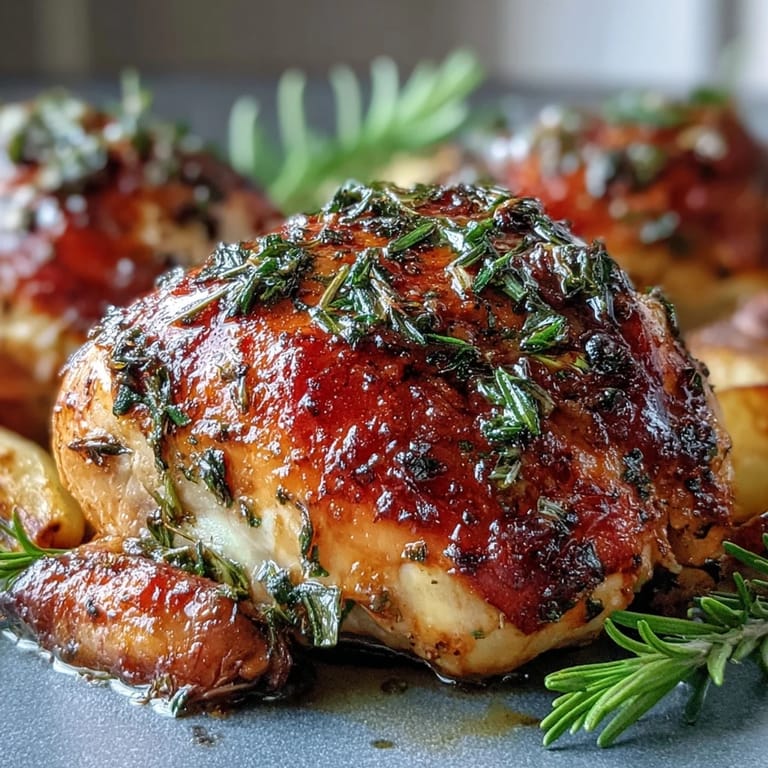
 This chicken has become my go-to when I want to feel like I'm putting effort into dinner without the stress, and it never disappoints whether it's an ordinary Tuesday or a celebration. Serve it with crusty bread to soak up every last drop of those herb-kissed pan juices, and watch how quickly people come back for more.
Recipe Questions
- → How do the orange and herbs affect the chicken's flavor?
The fresh orange zest and juice add a bright citrus aroma that compliments the earthy rosemary, thyme, and parsley, enhancing the overall flavor complexity of the chicken.
- → What vegetables work best with this roasting method?
Root vegetables like carrots, parsnips, potatoes, and red onions roast well, becoming tender and caramelized to pair perfectly with the chicken.
- → How do you ensure the chicken cooks evenly?
Roasting the chicken breast-side up on a bed of marinated vegetables allows even heat circulation and moisture, preventing dryness and promoting juicy meat.
- → Can I substitute any vegetables in this dish?
Yes, parsnips can be replaced with extra carrots or turnips to maintain the root vegetable medley’s texture and flavor.
- → What is the best way to check for doneness?
Using a meat thermometer inserted into the thickest part of the thigh until it reads 165°F (74°C) ensures perfectly cooked chicken.
- → Are there any optional ingredients to enhance flavor?
Adding a tablespoon of honey to the marinade can bring subtle sweetness, balancing the citrus and herbs nicely.