 Save to Pinterest
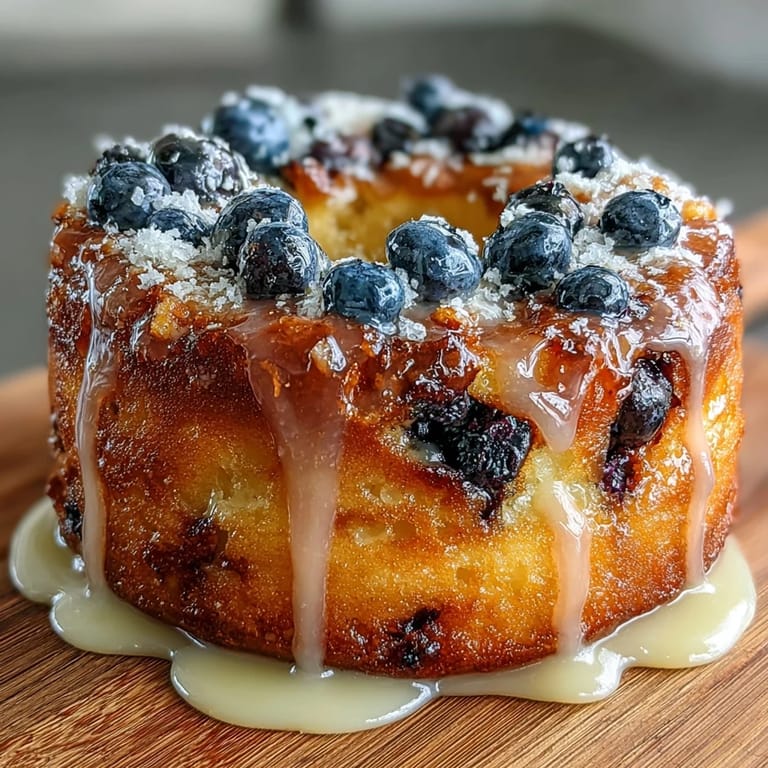
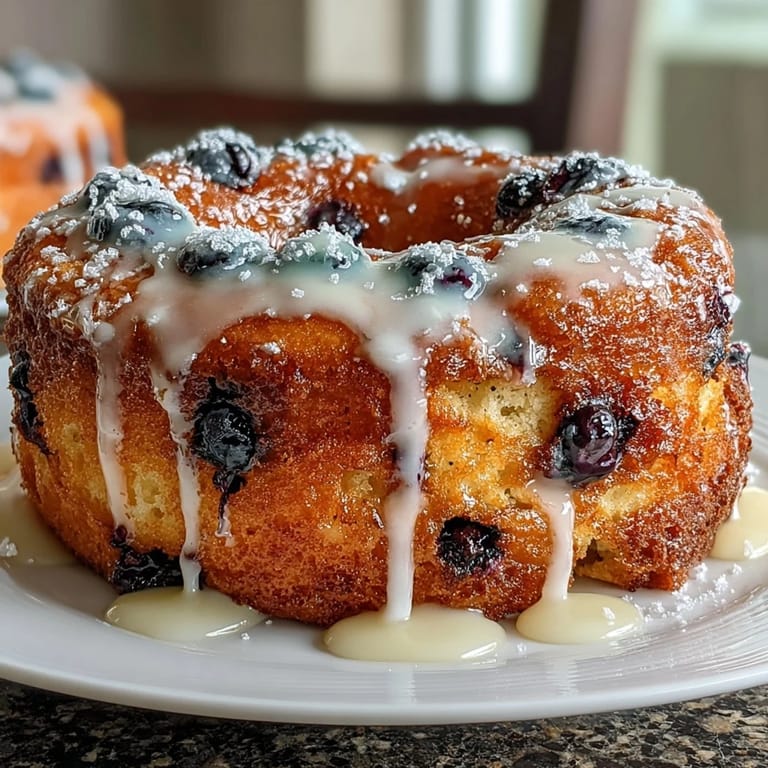
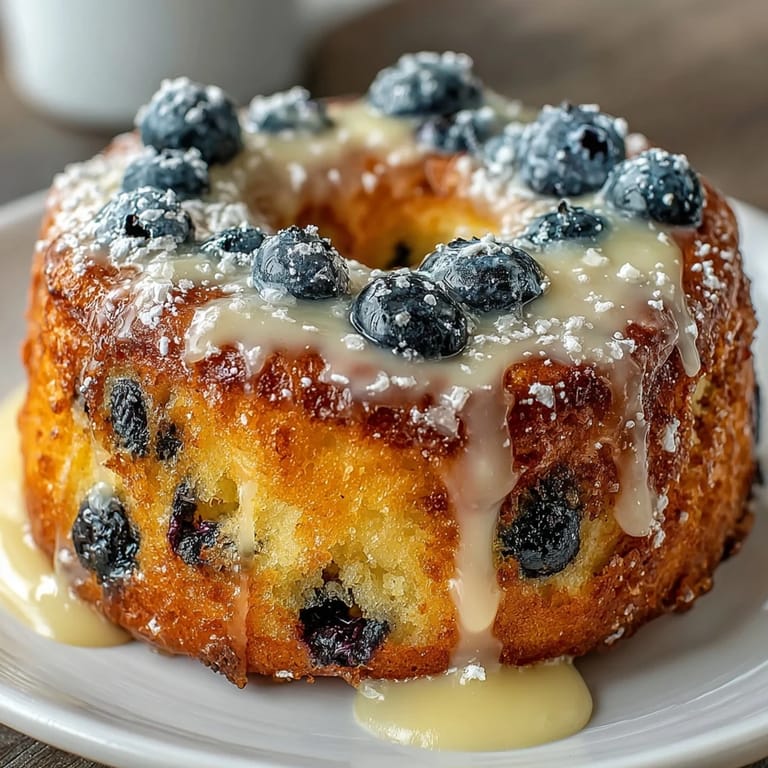
 There's something almost rebellious about making donuts with sourdough starter—the same culture you've been feeding on weekday mornings suddenly transforms into something indulgent and bright. I discovered this combination on a Tuesday when I had too much discard and a lemon tree drooping with fruit, and it felt like the kitchen was just waiting for me to connect the dots. The result was a donut that tastes tangy and delicate, nothing like the dense fried versions you might expect, with blueberries that burst like little pockets of summer.
I made a batch for my neighbor's book club last spring, and watching everyone's faces when they bit into one—that moment when the tang hits and then the sweetness catches up—made me understand why people actually care about what goes into their mouths. One woman asked if they were store-bought, which might sound insulting but somehow felt like the highest compliment.
Ingredients
- Active sourdough starter (1/2 cup): Use your discard here—it's the whole point, and it adds a subtle tang that makes these donuts feel less cloying than their conventional cousins.
- Buttermilk (1/2 cup): Room temperature matters more than you'd think; cold buttermilk can seize up the batter and make everything tight and dense.
- Unsalted butter (1/4 cup, melted): The melted form incorporates seamlessly and creates that tender crumb without the dense heaviness of creamed butter.
- Eggs (2 large, room temperature): This is non-negotiable—cold eggs won't emulsify properly with the sourdough starter and you'll end up with a broken-looking batter.
- Vanilla extract (1 tsp): A small gesture that rounds out the lemon without announcing itself.
- Lemon zest (1 lemon) and juice (2 tbsp): The zest gives you those little flavor explosions, while the juice provides moisture and that distinctive tang that makes people ask what you did differently.
- All-purpose flour (2 cups): Don't sift obsessively; a gentle stir and level is enough here.
- Granulated sugar (3/4 cup): This sweetens without overpowering the lemon; if you want them sweeter, the glaze is where that happens.
- Baking powder (1 1/2 tsp) and baking soda (1/2 tsp): The combination gives you lift and helps the sourdough starter's tang come through instead of tasting sour-sour.
- Fine sea salt (1/2 tsp): A pinch that makes everything taste like itself.
- Fresh blueberries (1 cup): Frozen works too, though they'll bleed into the batter slightly—I actually don't mind the faint purple tint, but if it bothers you, dust them lightly with flour before folding in.
- Powdered sugar (1 cup) and lemon juice (2–3 tbsp) for glaze: This is where you can adjust the tang; I always go for the full three tablespoons because that's where the magic lives.
Tired of Takeout? 🥡
Get 10 meals you can make faster than delivery arrives. Seriously.
One email. No spam. Unsubscribe anytime.
Instructions
- Set yourself up:
- Preheat your oven to 350°F and grease those donut pans generously—even nonstick ones surprise you sometimes. Get your ingredients arranged so you're not scrambling when the batter comes together.
- Mix the wet team:
- Whisk the sourdough starter, buttermilk, melted butter, eggs, vanilla, lemon zest, and juice together until it looks homogeneous and slightly thick. This step should take about a minute of actual whisking; you're not aerating, just combining.
- Combine the dry goods:
- In a separate bowl, whisk flour, sugar, baking powder, baking soda, and salt together, breaking up any lumps that form. This prevents raw flour pockets from appearing in your finished donuts.
- Bring them together gently:
- Pour the wet mixture into the dry mixture and stir slowly with a spatula until you see no white flour streaks—this takes maybe 20 seconds if you're moving deliberately. Overmixing develops gluten and makes your donuts tough and gummy, which is the opposite of what we want here.
- Add the blueberries:
- Fold them in carefully, tossing them lightly in a tiny bit of flour first if you want to keep them suspended rather than sunk to the bottom. The batter should look lumpy and loose, not smooth.
- Fill the pans:
- Spoon or pipe the batter into your donut cavities until each one is about 3/4 full—they won't rise dramatically, but they'll puff up slightly as the baking soda and powder do their work. Don't fill them completely or you'll get donut tops instead of donuts.
- Bake with patience:
- Slide them into the oven and bake for 13–15 minutes; they're done when they spring back gently when you press the top and a toothpick comes out clean. Start checking at 12 minutes because ovens vary wildly.
- Cool strategically:
- Let them rest in the pan for 5 minutes—this prevents them from falling apart—then turn them out onto a wire rack to cool completely before glazing. Warm donuts and glaze are a sloppy situation.
- Make the glaze:
- Whisk powdered sugar, lemon juice, and zest in a small bowl until you reach a drizzle-able consistency—it should coat the back of a spoon but still move. If it's too thick, add more juice one teaspoon at a time.
- Glaze and set:
- Dip each cooled donut into the glaze, twisting it slightly so it coats evenly, then place it back on the rack to let the excess drip off. The glaze sets as it cools, creating that pleasant crackle when you bite into it.
 Save to Pinterest
 I've served these at farmers markets, stuffed them in lunchboxes, and left them on neighbors' porches, and every single time there's this moment of quiet surprise—the tartness catches people off guard in the best way. It's become the one recipe I make when I want someone to remember the afternoon they spent with me.
Why Sourdough Starter Belongs in Donuts
Most baked donuts rely on chemical leaveners alone, which means they can taste a bit flat or one-dimensional. When you add sourdough starter, you're introducing fermentation's subtle magic—the acids enhance the flour's flavor and create a tender crumb that develops character. The starter also lets the eggs and butter do their job more efficiently, resulting in donuts that taste like they took more effort than they actually did.
The Blueberry Question
Fresh blueberries are ideal because they hold their shape and burst cleanly when you bite into them, but I've made these with frozen blueberries more times than I care to admit and they still taste wonderful. The frozen ones bleed slightly into the batter, creating a faint purple hue and distributing their flavor more evenly throughout—it's not wrong, just different. If you're particular about appearance, toss them lightly in flour before folding; if you're like me and more interested in taste, just throw them in as-is.
Storing and Serving
These donuts are genuinely best eaten the same day while the glaze is still crackling and the interior is at its most tender. That said, I've wrapped leftovers airtight in a container and they've held up beautifully for two days—not quite as ethereal, but still genuinely good when warmed gently in the oven for a few minutes. They don't freeze well because the moisture content tends to shift, so plan accordingly or just make an excuse to eat them all fresh.
- Warm them in a 300°F oven for three minutes if you want to restore some of that just-baked softness.
- A simple cup of coffee is all they need, though people always expect you to serve something fancier.
- Make them the morning of if you're bringing them somewhere—the presentation matters more than you'd think.
 Save to Pinterest
 These donuts have become my answer to most questions—bring something to book club, apologize for being late, celebrate a quiet morning, convince someone that you care. They're simple enough that you can make them without stress but special enough that they feel like a small gesture that actually means something.
Recipe Questions
- → How does sourdough starter affect the texture?
The sourdough starter naturally leavens the batter, creating a soft and slightly tangy crumb that enhances the donut's fluffiness and adds depth of flavor.
- → Can frozen blueberries be used instead of fresh?
Yes, frozen blueberries can be used without thawing. They may tint the batter slightly but still provide the same burst of fruity flavor.
- → Is buttermilk necessary in the wet ingredients?
Buttermilk adds acidity that reacts with baking soda for rise and tenderness. It can be substituted with plain yogurt or milk plus a teaspoon of vinegar for similar effects.
- → What is the best way to prevent blueberries from sinking?
Lightly dusting blueberries with flour before folding them into the batter helps suspend them evenly throughout the donuts during baking.
- → How long should the donuts be baked?
Bake for 13 to 15 minutes at 350°F (175°C), until the donuts spring back gently when pressed and a toothpick inserted comes out clean.
- → Can these donuts be stored after baking?
These donuts are best enjoyed the same day but can be stored in an airtight container for up to two days without losing much freshness.