 Save to Pinterest
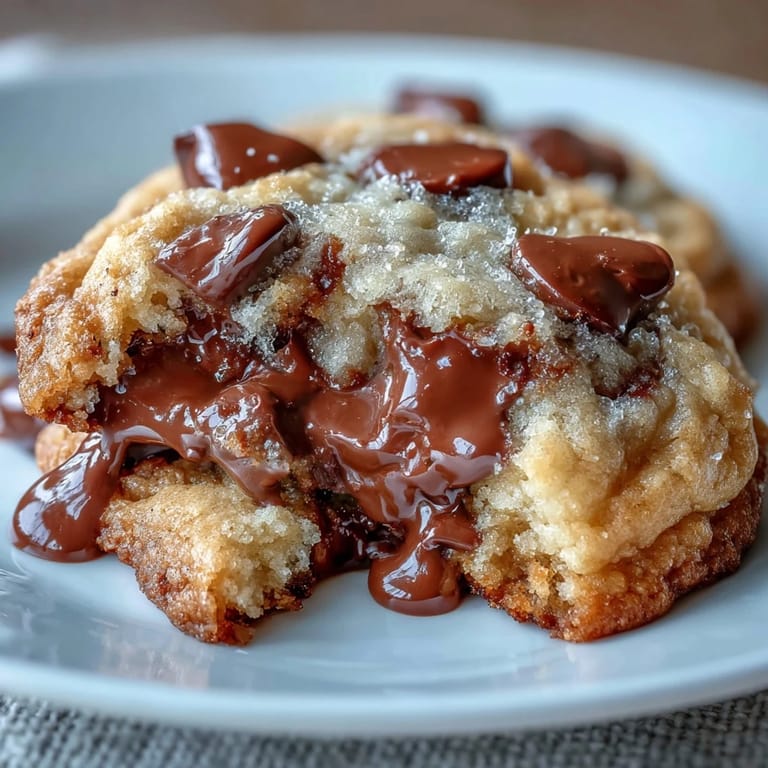
 My kitchen smelled like a Dublin pub the first time I made these, though nobody was drinking anything—just the Irish cream liqueur mingling with melting butter and brown sugar. A friend had brought a bottle of Baileys to a winter gathering, and after we'd finished the drinks, I couldn't help but wonder what would happen if I baked with what was left. These cookies became that happy accident, soft and chewy with just enough of that creamy sweetness to make people pause mid-bite and ask what made them different.
I baked these for my neighbor during the week before St. Patrick's Day, and she came over asking if I'd somehow gotten the recipe from an Irish bakery. Watching her dunk one into her coffee while sitting at my kitchen table—that's when I realized these weren't just cookies, they were a small moment of connection that happened to taste like chocolate and cream.
Ingredients
- All-purpose flour (2 1/4 cups): This is your foundation, and measuring it correctly matters more than you'd think—I scoop and level now instead of packing it down, which has actually made my cookies less dense.
- Baking soda (1/2 teaspoon): Just enough to help the cookies spread and brown at the edges without making them taste metallic.
- Salt (1/2 teaspoon): Don't skip this—it's what makes people say they can taste the chocolate better, even though they can't quite name why.
- Unsalted butter (3/4 cup, softened): Softened means it should be the texture of peanut butter, not melted or straight from the fridge, which changes everything about the final texture.
- Brown sugar (3/4 cup packed): The molasses in brown sugar is what gives these cookies their chewiness and subtle caramel undertone.
- Granulated sugar (1/4 cup): This balances the brown sugar and helps with spread and crispness around the edges.
- Large eggs (2): These bind everything and add moisture—room temperature eggs blend in more smoothly than cold ones, though I'll admit I'm usually too impatient to wait.
- Irish cream liqueur (1/4 cup): Use a good quality one if you can, because the flavor actually comes through and shouldn't taste like an afterthought.
- Vanilla extract (1 teaspoon): Pure vanilla is worth the extra cost here—imitation can overpower the delicate Irish cream flavor.
- Semisweet chocolate chips (1 1/2 cups): These are the backbone, so choose ones you'd actually eat straight from the bag.
- Toasted pecans or walnuts (1/2 cup, optional): Toasting them first adds a nuttiness that makes people wonder if there's caramel involved, and the crunch offers nice contrast to the soft cookie.
Tired of Takeout? 🥡
Get 10 meals you can make faster than delivery arrives. Seriously.
One email. No spam. Unsubscribe anytime.
Instructions
- Preheat your oven and prep your workspace:
- Get the oven to 350°F and line your baking sheets with parchment paper—this prevents sticking and makes cleanup feel less like punishment. Do this first so you're not scrambling later.
- Combine your dry ingredients:
- Whisk the flour, baking soda, and salt together in a medium bowl, making sure there are no lumps hiding at the bottom. This takes less than a minute but prevents pockets of baking soda in your finished cookies.
- Cream your butter and sugars:
- Beat the softened butter with both sugars for about 2 minutes until the mixture looks pale and fluffy—this is where air gets incorporated, which makes cookies lighter. You'll know it's ready when you could almost spread it on toast.
- Add eggs and liqueurs:
- Pour in the eggs, Irish cream, and vanilla, then beat until everything is well combined and the mixture looks slightly fluffy. The eggs will seem to disappear into the butter mixture, which is exactly right.
- Bring wet and dry together:
- Add the dry ingredients to the wet mixture and stir just until combined—overmixing will make cookies tough, and you want them tender. A few streaks of flour are fine; trust your instincts to stop before it looks completely uniform.
- Fold in chocolate and nuts:
- Gently mix in the chocolate chips and nuts if you're using them, letting the dough marbling with chocolate chips rather than beating them in. This gentle touch keeps the dough cohesive without overdeveloping the gluten.
- Portion your dough:
- Drop rounded tablespoons of dough onto the prepared baking sheets about 2 inches apart—they'll spread a bit, so giving them space matters. I use an actual tablespoon measure, which makes them all roughly the same size and bake evenly.
- Bake with patience:
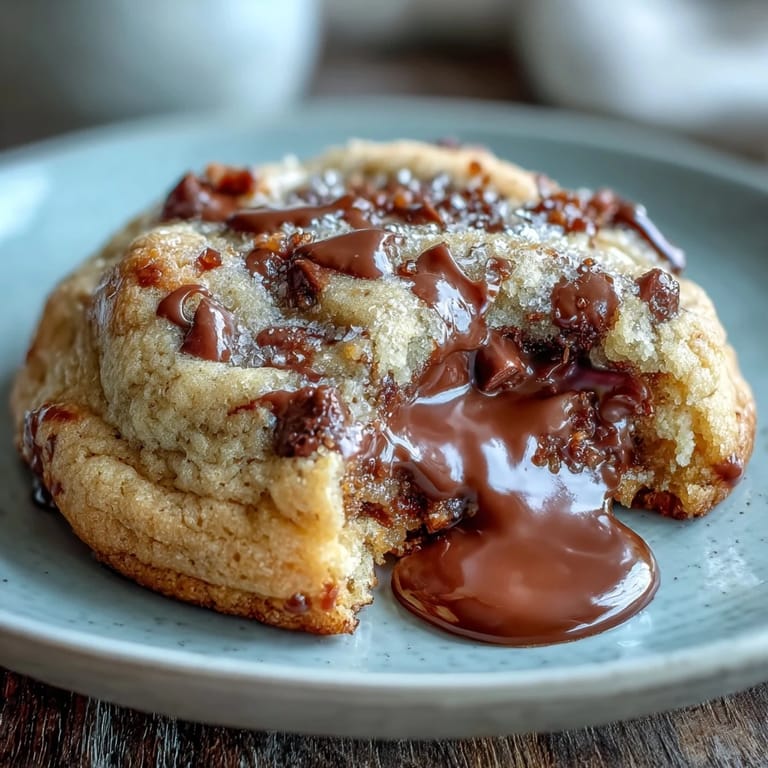
- Bake for 11 to 13 minutes until the edges are golden and the centers still look slightly underbaked—this is the secret to chewy cookies. Your kitchen will smell like a dessert dream, but don't be fooled into overbaking them.
- Cool strategically:
- Let the cookies rest on the baking sheet for 3 minutes so they firm up slightly, then transfer them to a wire rack to cool completely. They'll continue to cook a tiny bit from residual heat, and moving them too early results in broken cookies.
 Save to Pinterest
 These cookies have a way of making ordinary evenings feel celebratory. I've brought them to potlucks where people assumed they came from a bakery, and I've made them on random Thursdays just because the mood struck and I wanted my kitchen to smell like something special.
Why These Cookies Stand Out
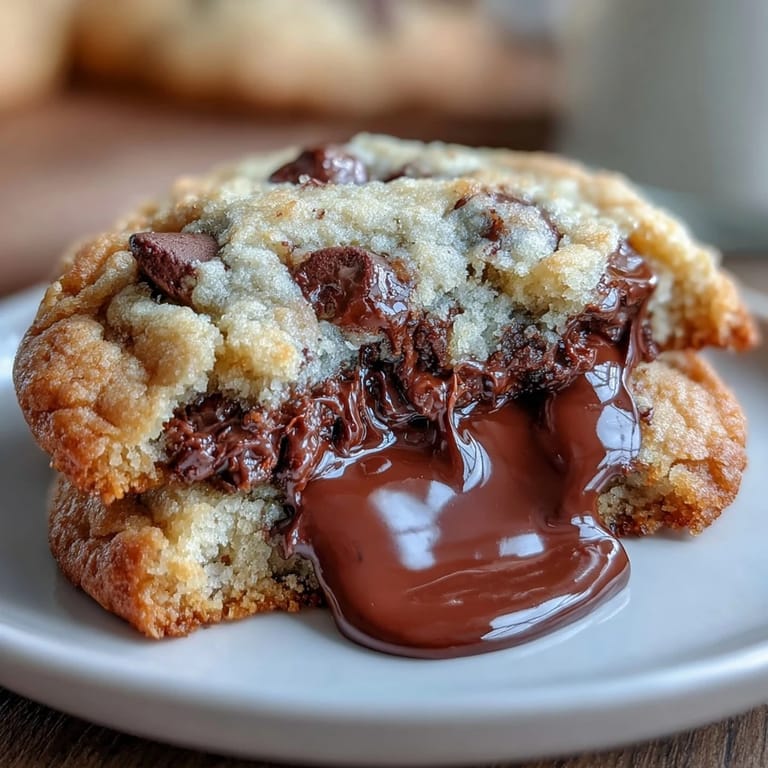
Most chocolate chip cookies taste like nostalgia, but these taste like grown-up indulgence—that balance between familiar cookie comfort and something slightly unexpected. The Irish cream liqueur doesn't make them taste boozy; instead, it adds a creamy richness that lingers just long enough to make people try a second cookie. I've made versions with different liqueurs out of curiosity, but nothing quite matches the subtle depth that Irish cream brings.
Storage and Keeping
These cookies keep beautifully in an airtight container at room temperature for about four days, though they usually don't last that long in my house. If you want to make them ahead, you can freeze the dough in tablespoon-sized portions and bake them straight from the freezer—just add a minute or two to the baking time. I've also frozen baked cookies in layers with parchment paper between them, and they thaw in about an hour tasting nearly as fresh as the day they were made.
Variations and Personal Touches
The beauty of this recipe is how it adapts to your mood and what you have on hand. I've made them with white chocolate chips and dried cherries when semisweet felt too heavy, and that combination is honestly stunning if you want something a bit lighter. For festive occasions, a sprinkle of green sanding sugar before baking gives them that St. Patrick's Day sparkle without tasting forced.
- Try swapping half the chocolate chips for white chocolate, or stir in some shredded coconut for a different texture.
- If you don't have Irish cream liqueur, a tablespoon of Irish coffee syrup mixed with a few tablespoons of milk works in a pinch.
- Toast your own nuts from raw if you have time—the difference in flavor is worth the extra five minutes.
 Save to Pinterest
 These cookies remind me that the best recipes are the ones that become part of your story. Make them, share them, and let them be your reason to fill your kitchen with something warm and a little bit special.
Recipe Questions
- → Can I substitute the Irish cream liqueur?
Yes, you can replace Irish cream with coffee liqueur, vanilla extract, or a mix of milk and a splash of rum for a similar flavor profile.
- → How do I ensure the cookies stay soft and chewy?
Use softened butter and do not overbake; remove cookies when edges are golden but centers are still slightly soft for a chewy texture.
- → Are nuts necessary in the cookies?
Nuts are optional; they add crunch and depth but can be omitted or substituted with dried fruit as desired.
- → Can the dough be frozen before baking?
Yes, the cookie dough freezes well. Shape dough balls, freeze on a tray, then store in an airtight container for up to two months.
- → What is the best way to store baked cookies?
Store cooled cookies in an airtight container at room temperature for up to a week or freeze for longer storage.