 Save to Pinterest
 My sister called me on a Tuesday afternoon, stressed about lunch options for her new job, and I realized I'd been making customizable grain bowls every week without even thinking about it. What started as a way to use up leftover rice and roasted vegetables became this beautiful ritual of building my own meal from scratch, choosing exactly what my body needed that day. There's something deeply satisfying about arranging colors and textures in a bowl, knowing every element is there because you wanted it there. She asked for the secret, and honestly, there isn't one—just permission to play with your food.
Last summer, I made these bowls for a picnic and watched my friend with celiac disease load up her own without anxiety for the first time in years. The freedom on her face when she realized she could choose a gluten-free grain and still have something beautiful and satisfying changed how I think about cooking for others. It wasn't charity—it was just respect built into the structure.
Ingredients
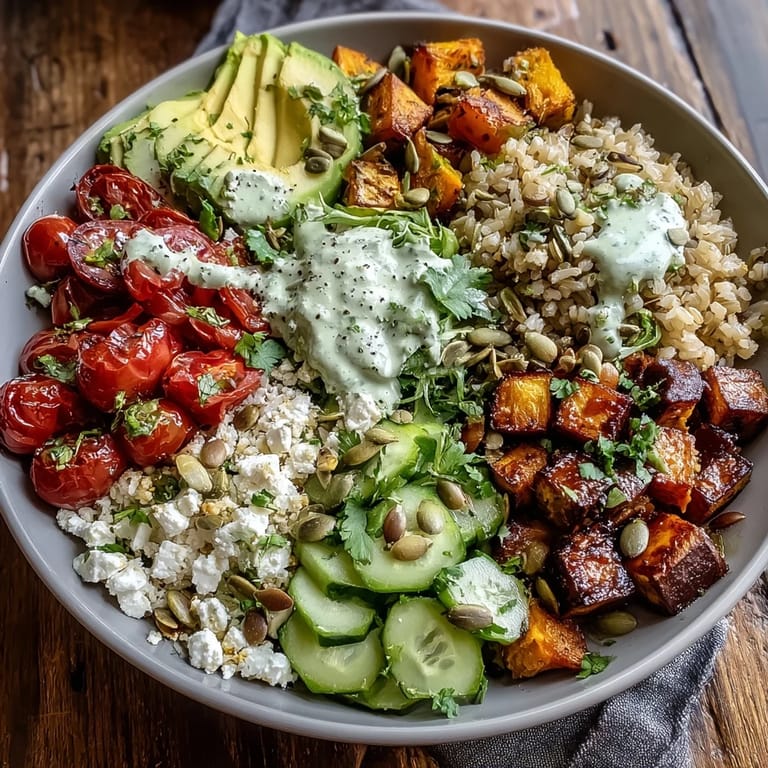
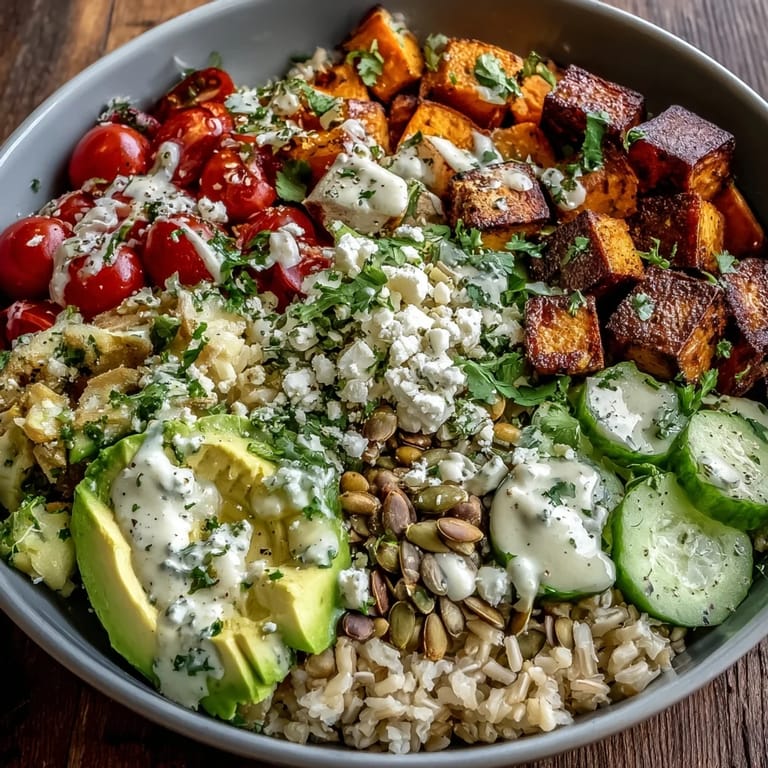
- Grains (choose 1–2): Brown rice brings earthiness, quinoa adds protein and a subtle crunch, farro offers chewiness, and couscous works when you're short on time—pick what matches your mood or what you've got cooling on the stove.
- Proteins (choose 1–2): Chicken breast is reliable and absorbs dressing beautifully, baked tofu gets crispy at the edges if you give it space on the pan, chickpeas bring texture without requiring cooking, and shrimp turns golden fast if you're in a hurry.
- Vegetables (choose 3–4, raw or roasted): Cherry tomatoes burst with brightness, cucumber stays cool and crisp, roasted sweet potato becomes almost caramel-like, steamed broccoli stands up to bold dressings, shredded carrots add natural sweetness, and avocado is non-negotiable if you want creamy without heaviness.
- Toppings & Extras: Feta crumbles add tang, toasted seeds and nuts bring texture and staying power, fresh herbs wake everything up with green notes, and sesame seeds finish the bowl like a chef's signature.
- Dressings (choose 1): Lemon-tahini is creamy and nutty, balsamic vinaigrette tastes like Italy, soy-ginger brings heat and umami, and green goddess feels like springtime in a drizzle.
Tired of Takeout? 🥡
Get 10 meals you can make faster than delivery arrives. Seriously.
One email. No spam. Unsubscribe anytime.
Instructions
- Decide and Cook Your Grains:
- Start your grain first since it takes the longest—set it going while you prep everything else. You want it fluffy and slightly cooled, not steaming hot, so it doesn't wilt your fresh vegetables.
- Prepare Your Proteins:
- Use leftovers if you have them, or cook fresh while your grains finish. The key is seasoning each protein on its own so it tastes good even before the dressing touches it.
- Wash and Chop Your Vegetables:
- Some get roasted or steamed, others stay raw—just make sure you dry everything thoroughly so the bowl doesn't get watery. Raw vegetables should taste like themselves, not like water.
- Arrange Your Bowl Base:
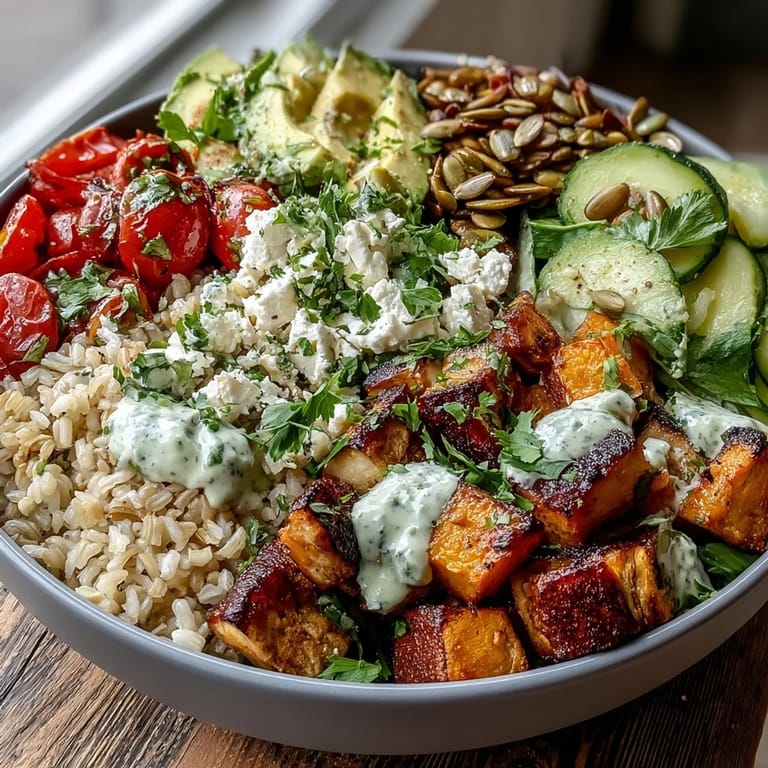
- Start with grains, then layer proteins and vegetables in sections so colors pop and you can see what you're about to eat. Think of it like creating an edible still life.
- Top with Texture and Flavor:
- Sprinkle your seeds, nuts, cheese, and herbs over everything—these are the elements that make each bite interesting. Don't be shy; they're what people remember.
- Finish with Dressing:
- Drizzle right before eating so nothing gets soggy, or keep it on the side if you're meal prepping and want to dress each day fresh. The dressing is the final word, not the first.
 Save to Pinterest
 My nephew ate five of these bowls in a row one week because he got to choose exactly what went in, and his mom finally stopped feeling guilty about quick lunches. That's when I understood these bowls aren't lazy cooking—they're generous cooking, the kind that meets people where they are.
Building Your Personal Bowl Style
The first time you make this, don't overthink it—pick one grain, one protein, three vegetables, and one dressing, then eat. Next time, you'll know what worked and what didn't. After a few rounds, you'll develop instincts about which combinations sing together. Some people are texture people and load up on nuts and seeds; others want the bowl to be mostly vegetables with just enough grain to hold them together. Your bowl is a conversation between what you're craving and what actually nourishes you.
When Grain Bowls Become a Lifestyle
I started making these for quick weeknight dinners and somehow ended up with a Sunday ritual where I prep components and my partner and I build bowls together while talking about the week. It became less about efficiency and more about the small pleasure of making something colorful and intentional. You don't need special equipment or fancy ingredients—just a knife, a cutting board, and the willingness to let your bowl be a little different every single time.
Customization Ideas That Change Everything
The magic of these bowls is that they're never the same bowl twice, even when you use the same ingredients. Roast your vegetables with different spices, swap out your dressing, try a new grain you've never cooked before. The framework stays simple, but what you build inside it is endlessly surprising. Once you taste how a warm grain feels against cool, crunchy vegetables, how toasted nuts add character, and how the right dressing ties everything together, you'll understand why these bowls became such a part of my cooking life.
- Try pickled vegetables or kimchi if you want sharp, funky notes that make everything taste more interesting.
- Experiment with different dressing bases—tahini, vinegar, soy, or herbs—each one completely transforms the bowl.
- Don't skip the toasted seeds and nuts because they're what keeps the bowl from feeling sad or one-dimensional.
 Save to Pinterest
 These bowls taught me that cooking doesn't always have to be complicated to feel special or satisfying. Make one for yourself today and notice how it feels to choose exactly what goes into your body.
Recipe Questions
- → What grains work best for grain bowls?
Brown rice, quinoa, farro, and couscous all provide excellent bases. Choose according to your preference and dietary needs—quinoa offers complete protein while farro delivers a nutty chew.
- → How do I prepare grain bowls for meal prep?
Store components separately in airtight containers. Grains and proteins keep for 4-5 days, while vegetables stay fresh for 3-4 days. Add dressing and delicate toppings like avocado just before serving.
- → What protein options are available?
Select from cubed chicken breast, baked tofu, cooked chickpeas, or shrimp. These provide versatile options for omnivores, vegetarians, and vegans alike while delivering satisfying protein content.
- → Can I make grain bowls low-carb?
Absolutely. Replace grains with cauliflower rice or use leafy greens as your base. Load up on non-starchy vegetables like cucumber, broccoli, and shredded carrots for a lighter, lower-carbohydrate version.
- → Which dressings complement these bowls best?
Lemon-tahini adds creamy richness, balsamic vinaigrette provides bright acidity, soy-ginger offers savory depth, and green goddess dressing delivers fresh herb notes. Each enhances different ingredient combinations.
- → How do I add more flavor to grain bowls?
Incorporate pickled vegetables, kimchi, or sriracha for tang and heat. Toast nuts and seeds before sprinkling, and finish with fresh herbs like cilantro or parsley. A squeeze of fresh lemon brightens all flavors.